May 28, 2026
Rentals
A Week, a Month, or a Season
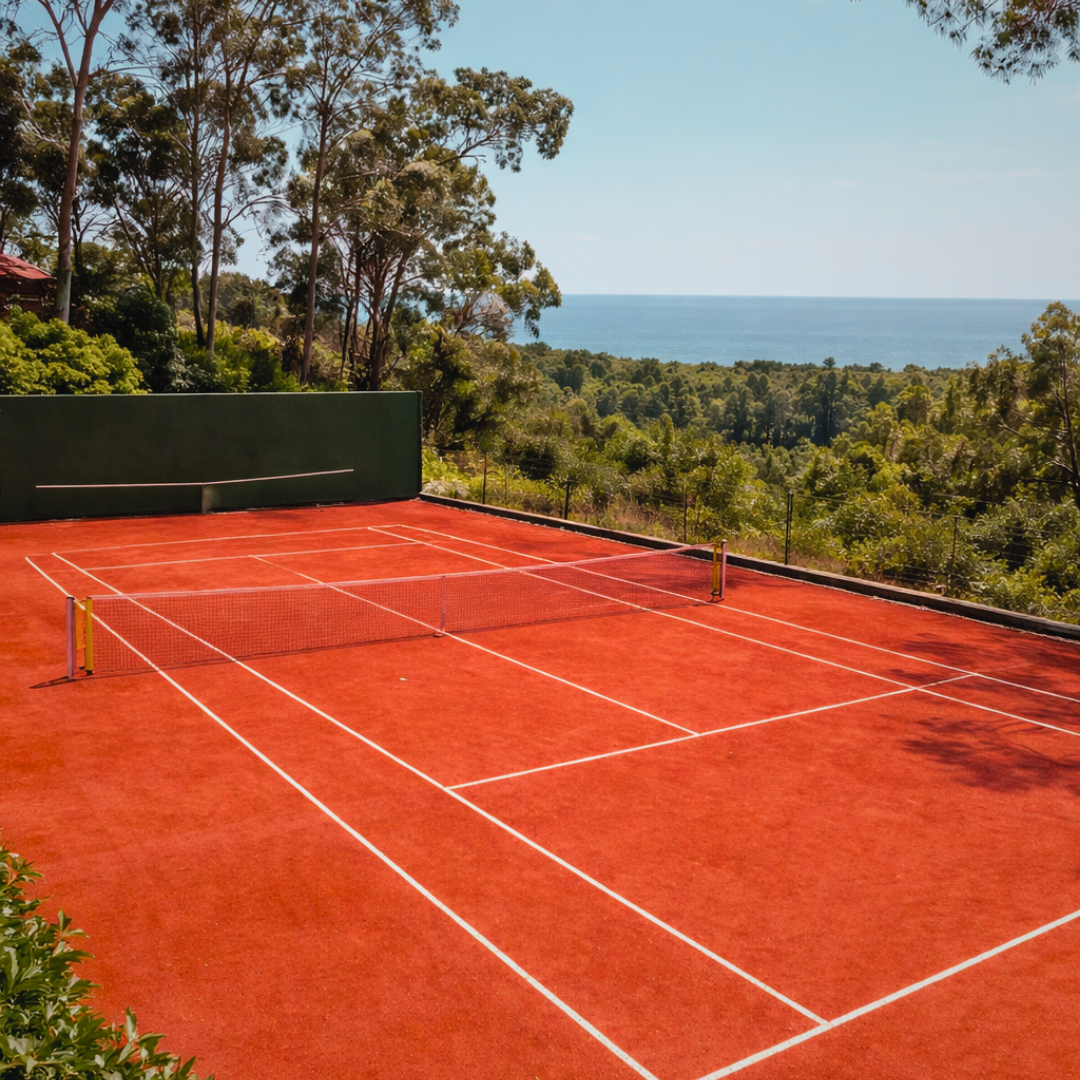
The most straightforward path is renting the property itself, with the court as the primary reason a guest chooses it over something comparable.
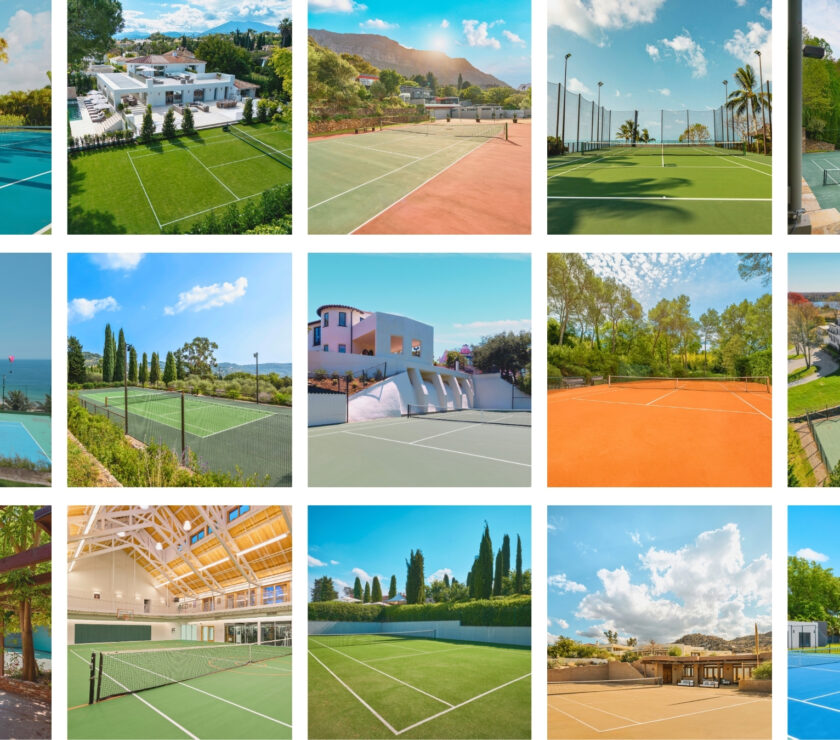
Short-term lets, a week or a month, attract a specific profile. Tennis families looking for a base during a tournament period. Groups of players who want to train together somewhere private. Guests who have exhausted the standard vacation rental market and are looking for something with a more specific offer. In markets like the South of France, the Caribbean, and the Hamptons, a clay or hard court in good condition can meaningfully change the conversation around a rental.
Longer arrangements, six months to a full year, attract a different kind of tenant entirely. Often someone considering a market before committing to a purchase. A family that needs a base for a school year. A serious player who wants consistent access to a private court without the commitment of ownership. These tenants tend to be quieter, more careful with the property, and less interested in the social activity around the court than in the court itself.
In both cases, the court is not just an amenity listed alongside the pool and the guest bedrooms. It is the reason the property gets shortlisted.
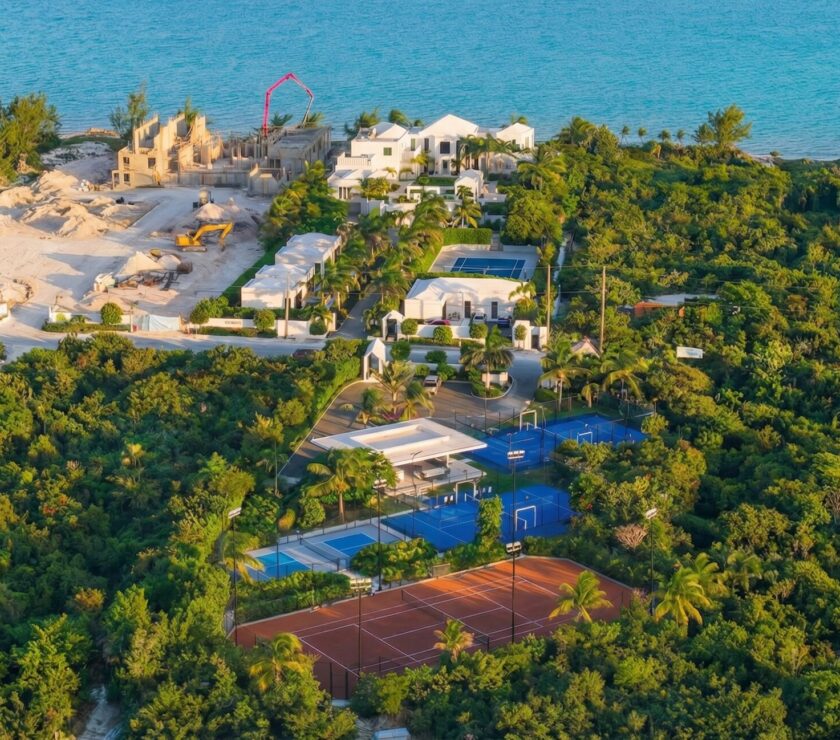
Featured: Quinta Paradiso
Events
The Court as a Setting
The court as an event venue is a more considered decision than a rental. It involves opening the property to a group in a different way, and the owner needs to be clear about what that means in practice: how much of the estate is accessible, what the logistics look like, and where the line is between a well-run event and an intrusion on the property.
When those questions are answered well, the court becomes the anchor for something memorable. A private tennis day for a group of clients. A corporate retreat with court sessions built into the programme. A birthday gathering where the court provides the activity and the setting provides the atmosphere.
The properties in the Tennis Homes network that work well for events tend to share one quality: the court is integrated into the broader life of the estate rather than sitting at the edge of it. A pavilion, outdoor dining, somewhere to gather after play. The court starts the afternoon. The property carries it.
Featured: EQI Match Point Mansion Miami 2026

Production and Content
What Brands Are Looking For
This is the category most owners have not considered, and the one that tends to generate the most interest once they understand what it involves.
Brands need locations. Fashion houses, automotive companies, sports labels, hospitality groups, and editorial teams are in a constant search for environments that feel real, private, and visually distinctive. A well-maintained private tennis court, particularly one set within a considered estate, offers something a studio cannot replicate. Texture, light, scale, and the suggestion of a life actually lived there.
A single production day is the entry point. A brand rents the court and a portion of the estate for a shoot. The owner sets the terms, the access is defined and limited, and the property appears in campaign imagery that will reach the brand's audience.
Content licensing arrangements go further. The property becomes a recurring visual asset for a brand across a season or a campaign. The court appears in multiple pieces of content, the brand association is more sustained, and the arrangement is negotiated accordingly.
For owners who are protective of their privacy, this category requires careful consideration of what the images will be used for and where they will appear. For owners who are more open to it, a well-chosen brand partnership can be a light-touch and high-value arrangement that leaves the property exactly as it was found.
Featured: Jacob & Co x Zverev Collection Launch

Court Access for Training
Clinics, Coaching, and Private Clubs
The most overlooked option is also the one that asks the least of the property.
The owner does not rent the home. They rent the court. And in some cases, they do not even frame it as a rental at all.
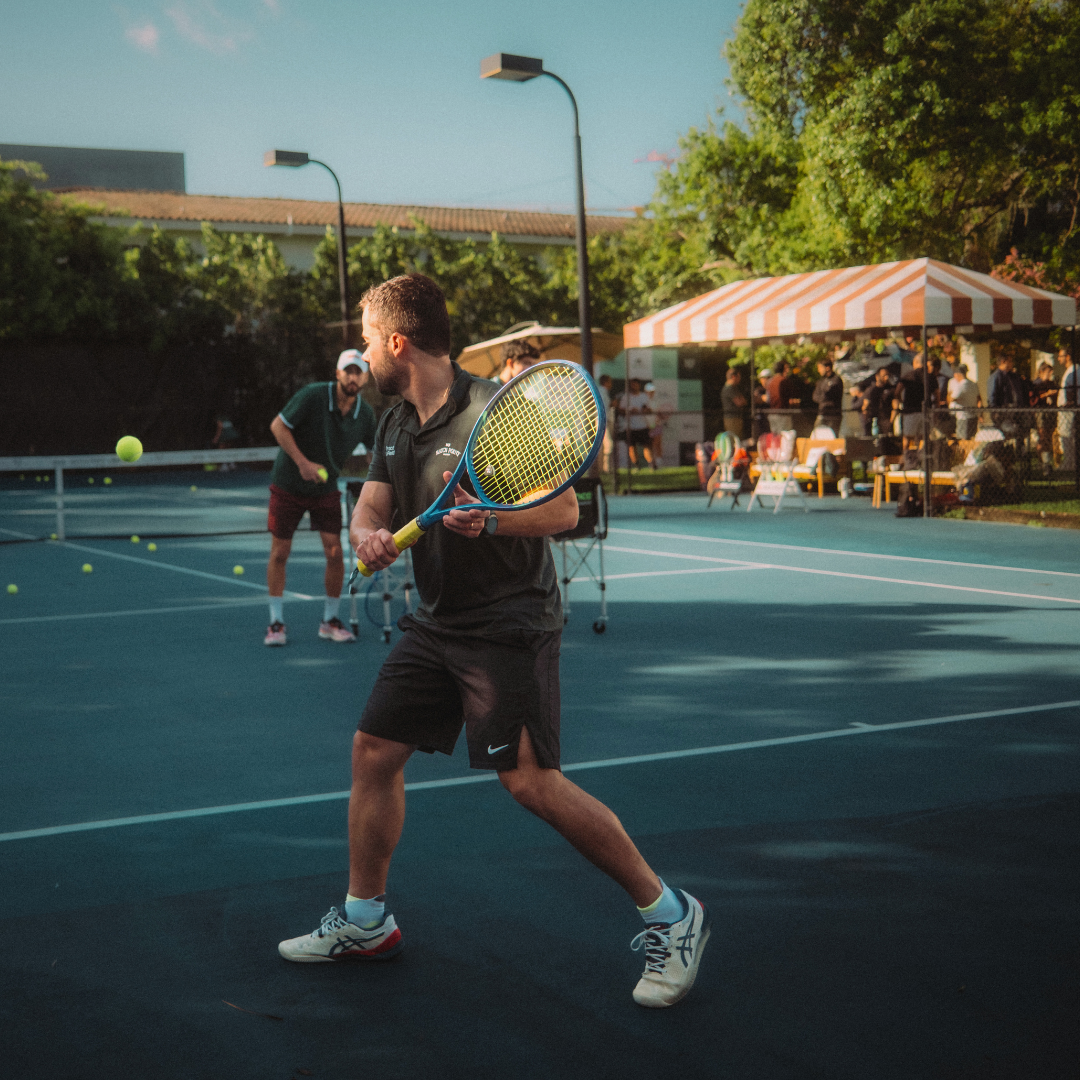
Coaching residencies and clinics bring a small group to the court for an intensive period. A week, a weekend, a recurring programme. The coach uses the court as a base, guests pay for the experience, and the owner's involvement is limited to access and some basic logistics. The home stays private. The court earns its keep.
Floating club arrangements work on a similar principle. A curated group of members pays for recurring access to a private court, typically at a time that suits the owner and does not interfere with personal use. No listing, no public profile, no noise. Just a small number of people who understand how to behave on a private estate and value the access accordingly.
Both models are growing quietly, particularly in urban and peri-urban markets where private court access is genuinely scarce and the demand from serious players far exceeds the supply. In our network, the conversation around this kind of arrangement has increased noticeably over the last two seasons.
Featured: Fred Gil Academy