February 3, 2026
There’s a shift happening in the ultra-luxury tennis home market. We’re watching properties come through that go beyond the traditional single court setup; estates where one sport simply isn’t enough.
Some add a second tennis court. Others diversify entirely, pairing tennis with padel, pickleball, squash, even soccer fields or volleyball courts. The question isn’t whether these combinations make sense, clearly they do for a growing segment of buyers, but rather what’s driving this evolution.
What We're Seeing
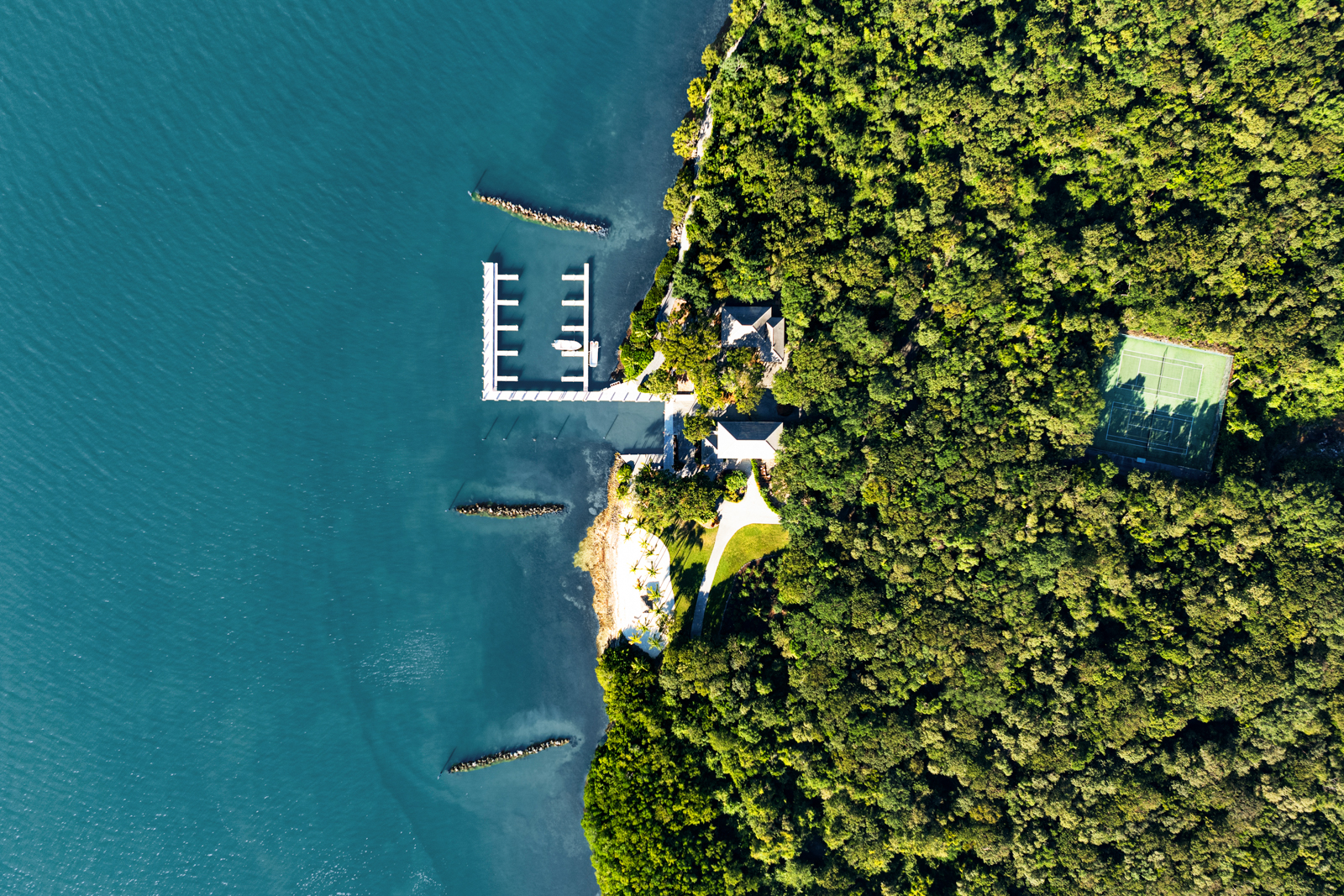
The range is broad. At the most straightforward end, properties like Pumpkin Island, Malibu Tennis Mansion, and Greystone Estate maintain the purist approach with two full-sized tennis courts. For serious players, this makes intuitive sense; one court for training, another for matches, or the flexibility to host without scheduling conflicts.
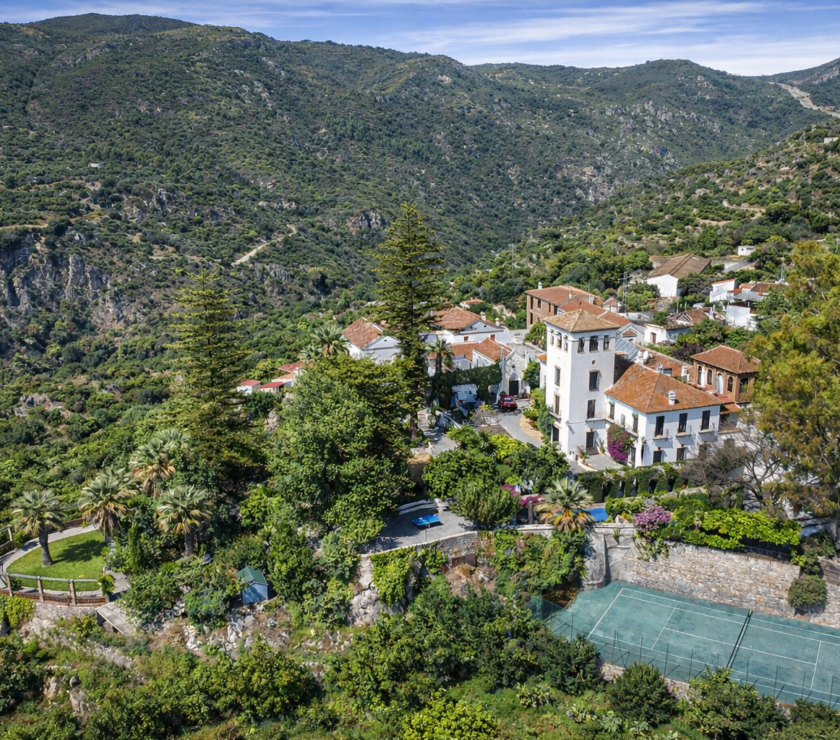
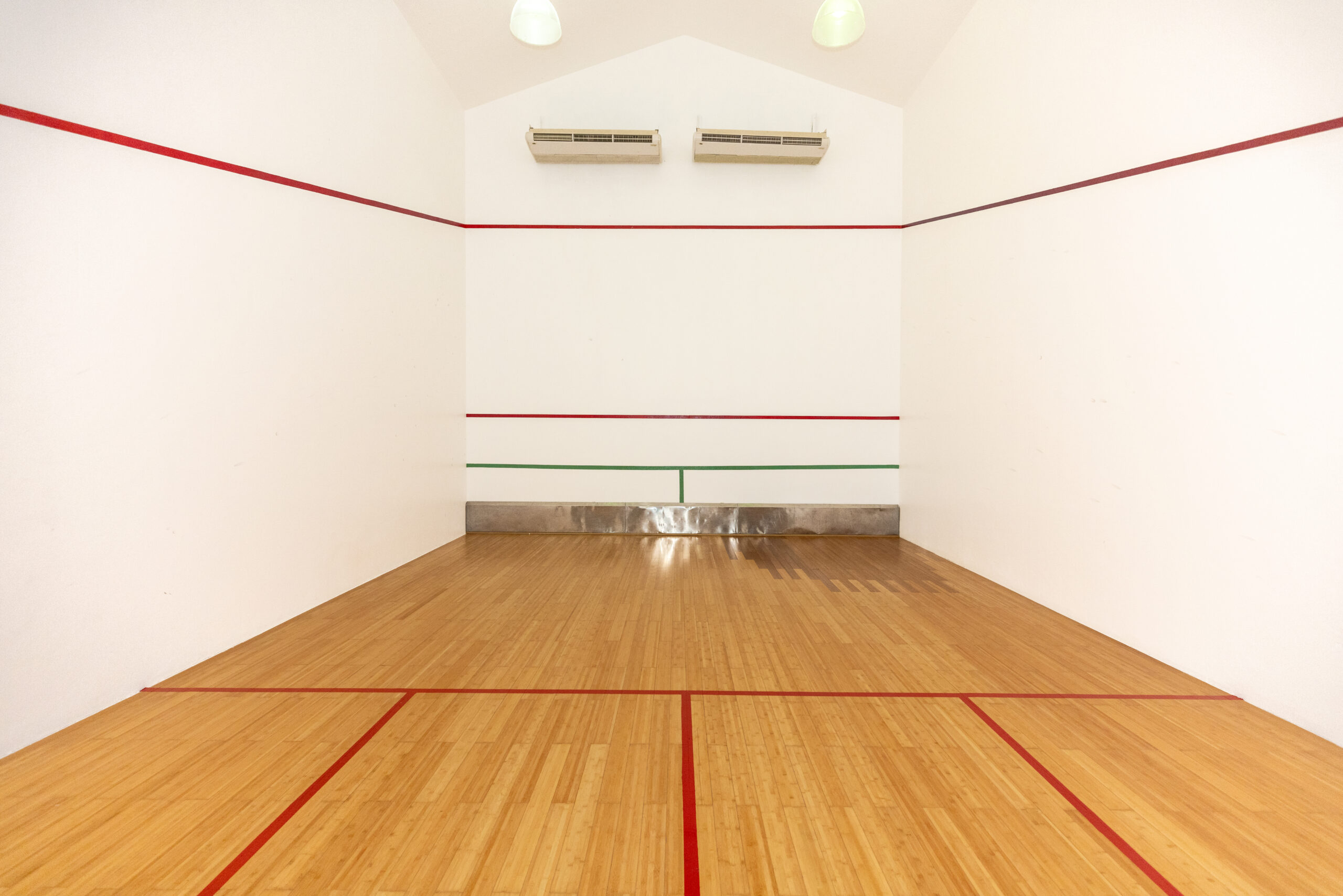
Then there are properties that blend racquet sports. The Tennis Villa in Cabrera combines tennis, pickleball, and squash under one roof. Shankara Estate pairs tennis with squash. These combinations acknowledge that different games serve different purposes; technique work, cardio, family play.
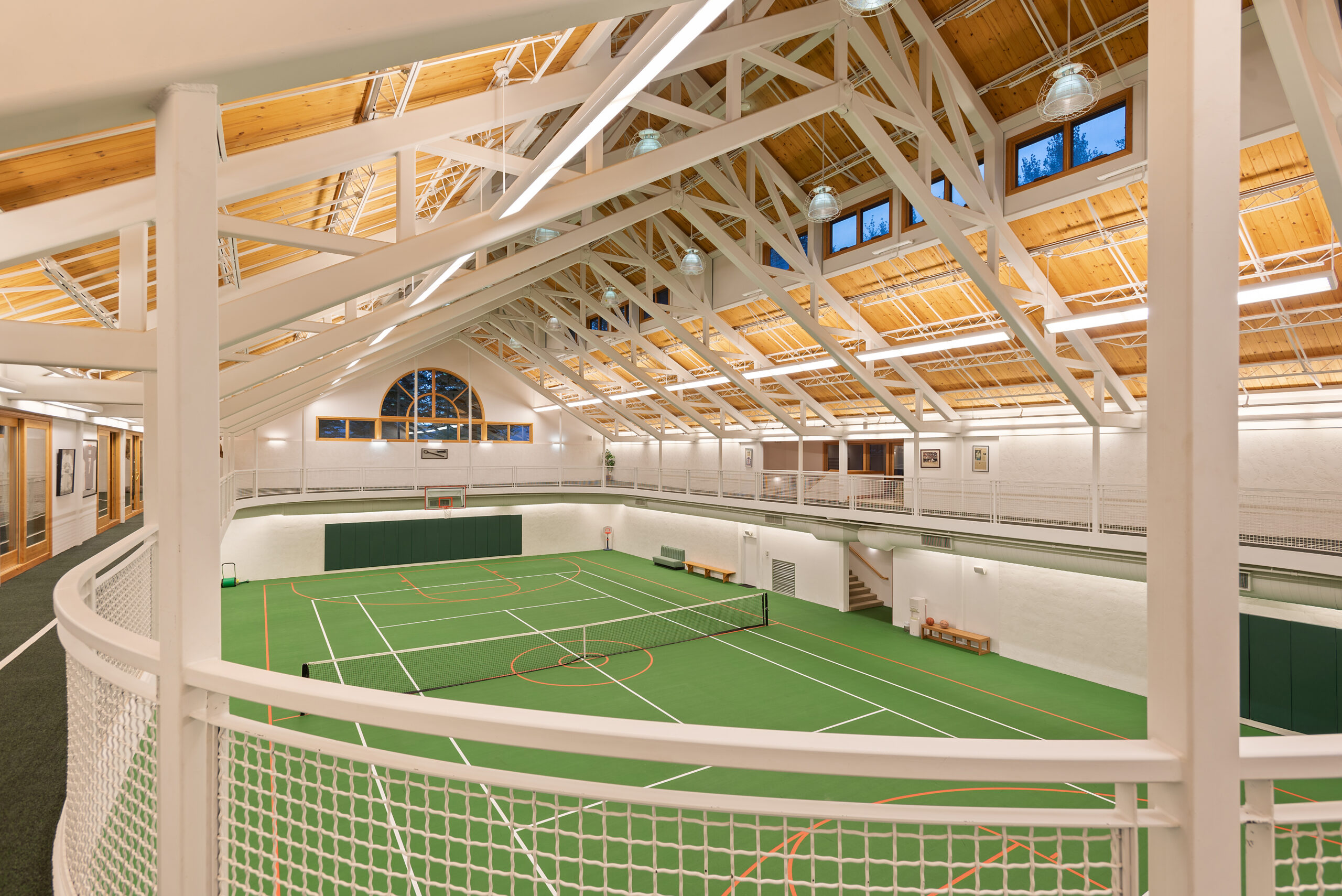
Some estates take the multi-sport concept further. Le Castel adds a soccer field to its tennis offering. Merry Go Ranch includes a multipurpose court for tennis and basketball, plus squash.
And then there’s Triton Villa; a property that exemplifies the maximalist approach with two tennis courts, two padel courts, and a pickleball court. It’s not excess for the sake of it; it’s infrastructure for a lifestyle centered on racquet sports in all their forms.
Why Now
Part of this trend reflects the explosion of padel globally and pickleball in the United States. These aren’t fringe sports anymore. They’re mainstream, social, and particularly appealing for families where skill levels vary or where accessibility matters more than athletic intensity.
But there’s something deeper at play. A private court has always been about more than recreation; it’s about control over time, training, and social space. As more sports become culturally relevant and as families expand their athletic interests, the single-sport estate starts to feel limiting.
Serious players are diversifying their training. Tennis at the highest level benefits from the quick reflexes of squash, the positioning instincts of padel, the hand-eye coordination of pickleball. What used to require memberships at multiple clubs can now happen at home.
For families, these combinations solve the age-old problem of getting everyone engaged. A 12-year-old who doesn’t love tennis might be obsessed with soccer. Grandparents who find tennis too demanding often take to pickleball immediately. A multi-sport setup means the property serves the entire household, not just the primary tennis player.
And from an entertaining perspective, hosting becomes significantly more dynamic. Tennis tournaments for serious players in the morning, padel doubles for less competitive guests in the afternoon, pickleball for the social crowd in the evening. The estate transforms into a true recreation hub rather than a single-purpose facility.
The Practical Reality
Of course, none of this works without land. Tennis courts require roughly 9,000 square feet including run-off space. Padel courts are more compact at around 3,600 square feet. Pickleball courts can fit in about 1,800 square feet. Squash courts, being indoor, have different constraints but typically need at least 1,000 square feet of interior space.
The question isn’t just whether you have the acreage, but how the courts interact with the rest of the property. Noise carries differently depending on surface and location. Some sports benefit from morning light, others from shade. Drainage becomes exponentially more complex with multiple surfaces. Maintenance schedules overlap.
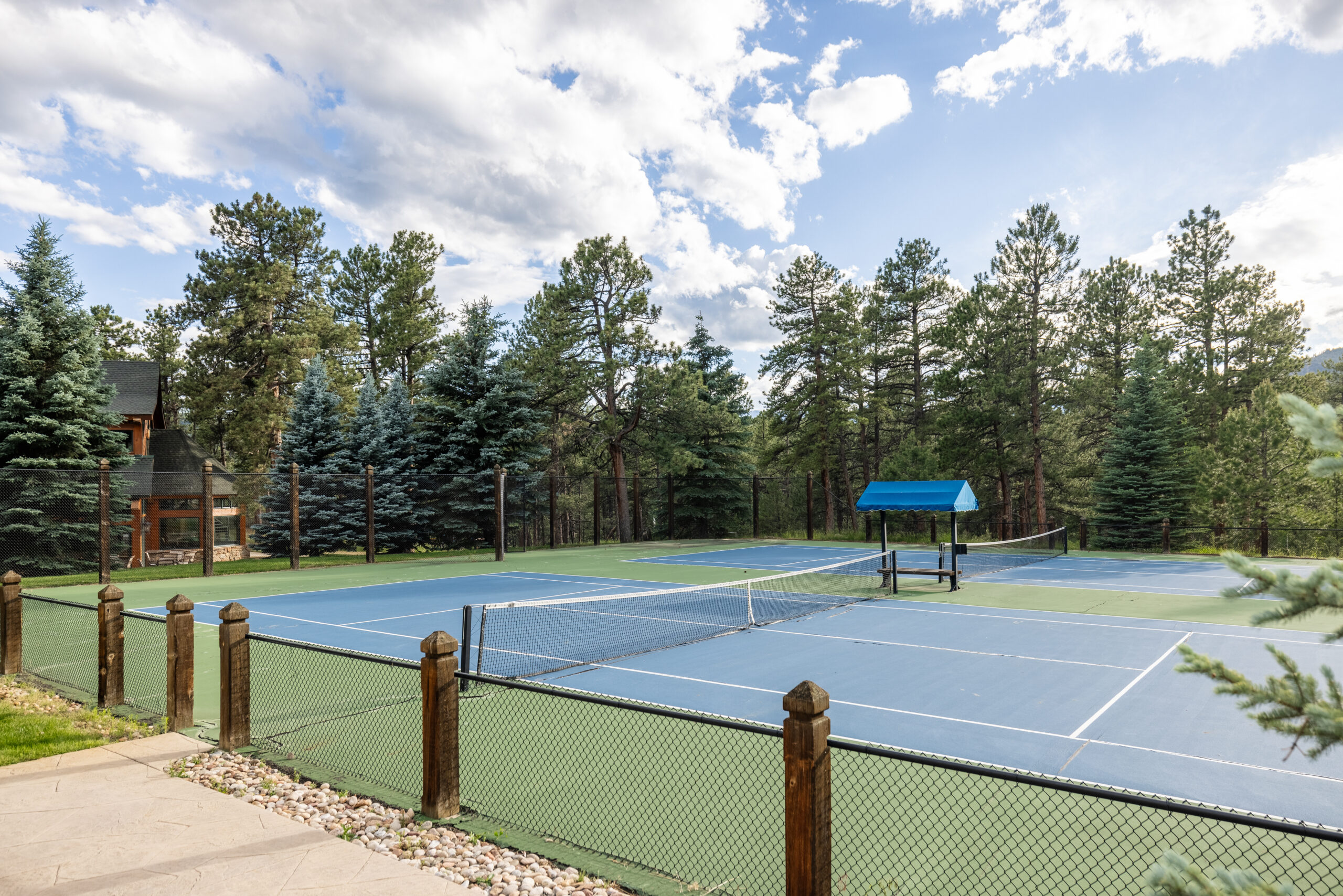
The combinations that make the most sense are usually the ones where sports complement rather than compete. Tennis and squash work well because one is outdoor, one is indoor — they’re never fighting for the same weather window. Tennis and padel share similar scheduling but appeal to different play styles, so they coexist naturally. Tennis and pickleball can share converted space if designed thoughtfully, though purists will want dedicated surfaces.
What doesn’t work: cramming too much into too little space. Courts need breathing room, both for play and aesthetics. A property that feels like a sports complex rather than a home defeats the purpose. The goal is integration, not accumulation.
Where Tennis Meets Real Estate
This is where the intersection of tennis and real estate becomes critical. Most brokers can tell you about square footage, finishes, and comparables. Far fewer can tell you whether a clay court or hard court makes more sense for your climate, or whether adding a padel court will genuinely increase resale value or just narrow your buyer pool.
This is the value of working with someone who understands both sides. Tennis isn’t just a feature to be listed; it’s a lifestyle to be interpreted. When you know the sport, you know why certain combinations work and others don’t. You know what questions to ask during diligence. You know which buyers will see a four-court complex as overkill and which will see it as exactly what they’ve been searching for.
Looking Ahead
The trend toward multi-sport estates likely isn’t peaking; it’s just getting started. As more sports gain traction and as properties evolve to serve entire households rather than individual interests, we’ll see more creative combinations. Padel’s growth alone suggests we’re in the early innings of this shift.
What remains constant is the need for thoughtful design and informed decision-making. A second court isn’t just a construction project; it’s a strategic choice about how a property functions and who it appeals to. For buyers and sellers navigating this space, the question isn’t whether multi-sport estates are the future, they already are. The question is how to approach them intelligently.
Which is exactly where the bridge between tennis and real estate matters most.
Until the next match,
Tennis Homes Team