January 29, 2026
Summer Living
There is a point at which summer travel stops being about accommodation and becomes about authorship.
There comes a point when the hotel no longer serves its purpose. Privacy is conditional. Tennis courts are shared. Time is segmented. Even the most elegant resorts impose a rhythm that belongs to someone else.
A private home changes that relationship entirely.
When tennis is central to how one lives, the idea of “vacation” gives way to something more considered: a seasonal relocation. A house with its own court becomes the framework around which summer unfolds; play dictated by light and temperature, not reservations or availability. Tennis is no longer scheduled. It is simply present.
Each summer, a quiet circuit emerges. Destinations where homes with tennis courts support this way of living naturally. These are not places defined by novelty or excess, but by continuity, discretion, and an understanding of how tennis integrates into daily life.
The Hamptons
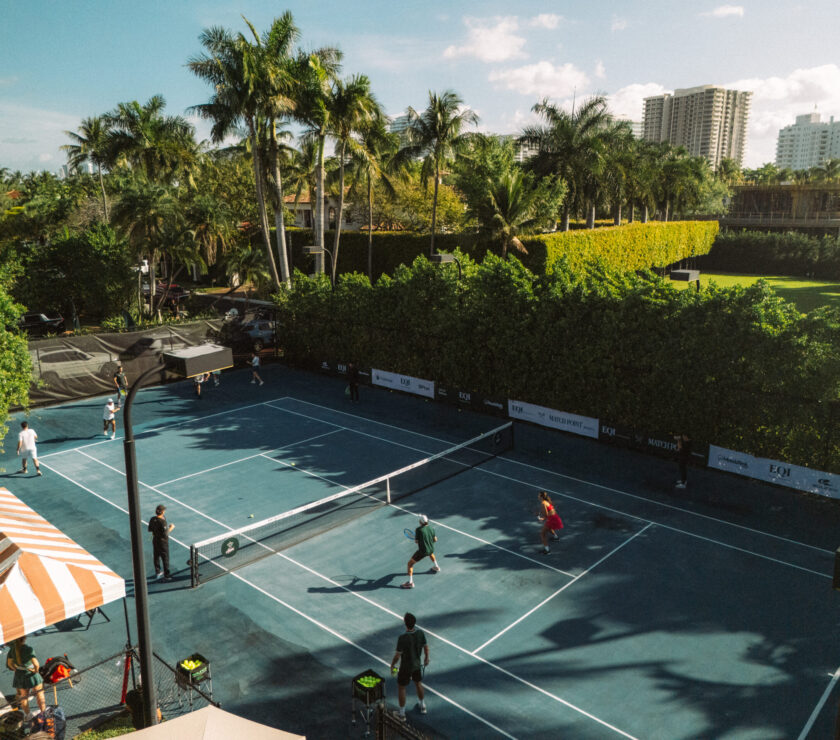
The Hamptons function less as a destination than as an extension of New York life.
For tennis families based in the city, the appeal is logistical as much as cultural. Travel is short and predictable. Staff and security remain consistent. Children stay within familiar academic and social rhythms. Tennis becomes a daily practice rather than a scheduled event.
Homes with private tennis courts here are valued not for spectacle, but for usability. Courts are often positioned away from public roads, shielded by mature landscaping, allowing uninterrupted morning play before the day begins. Many homes are designed to accommodate visiting coaches, hitting partners, and extended family without disrupting routine.
What ultimately attracts long-term renters is reliability. The Hamptons offer a summer environment where nothing needs to be relearned; only resumed.
The South of France
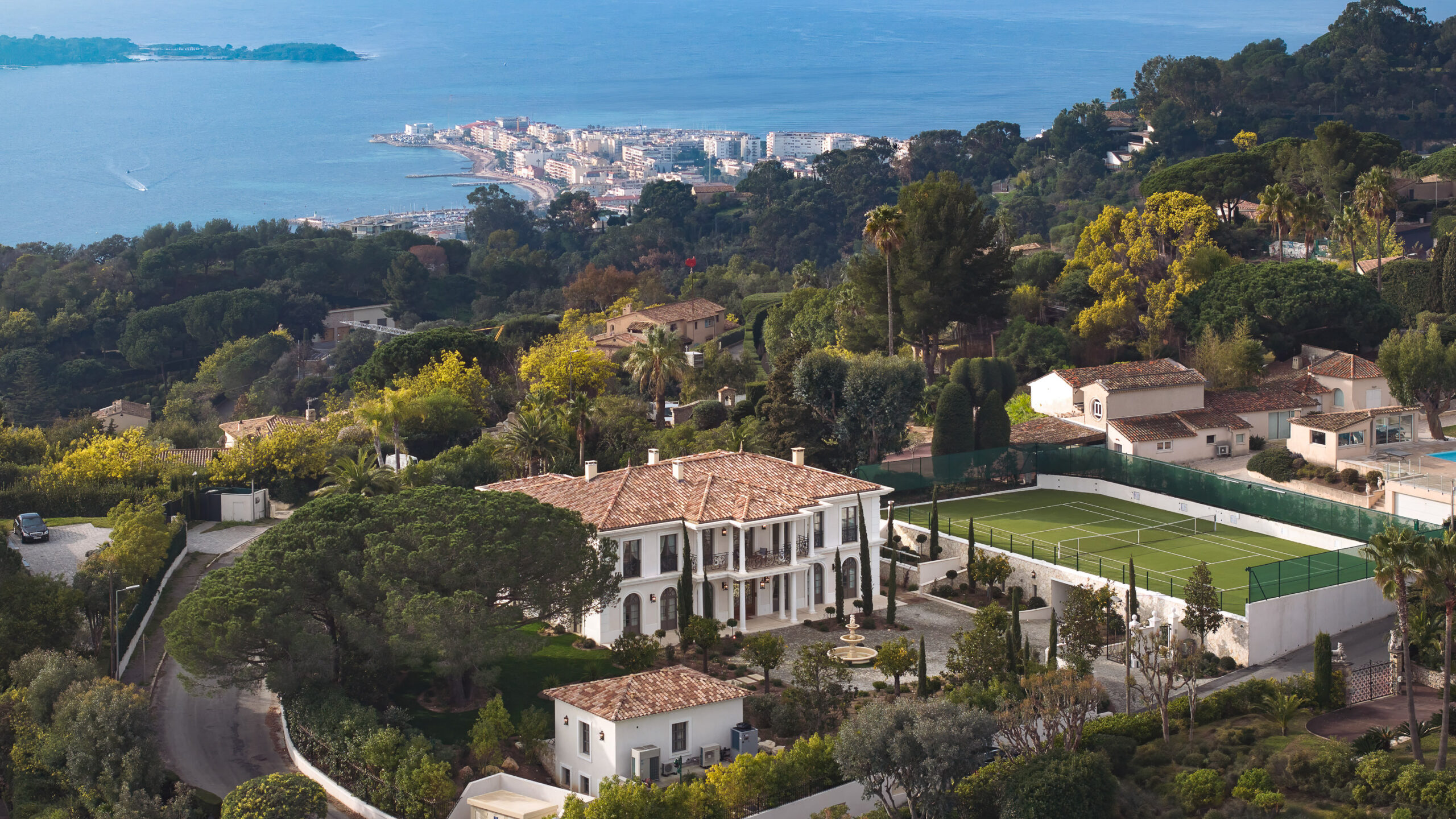
This is not simply a summer destination, but one of Europe’s deepest tennis ecosystems. The region is home to long-established academies, private coaching programs, and training environments that attract international players and families year after year. For many, summer here is structured around enrollment; juniors training in the mornings, private sessions arranged locally, and competition integrated quietly into daily life.
Homes with tennis courts in this context serve a specific function: stability. Renting a private residence allows families to anchor themselves while engaging with the region’s tennis infrastructure, without sacrificing privacy or routine.
Equally compelling is the region’s historical density. Many of the most desirable homes are set within landscapes shaped over centuries: estates, villages, and countryside that feel culturally intact rather than curated.
The South of France offers tennis not as an isolated activity, but as part of a broader, enduring cultural fabric, one that rewards those who return to it regularly.
Portugal
Portugal’s appeal as a summer tennis base is rooted in livability rather than display.
The country offers one of Europe’s most reliable climates for outdoor play, with long, temperate days that support consistent tennis throughout the season. This predictability matters to those who structure their lives around routine: training early, playing regularly, and avoiding the constant adjustments required in less stable environments.
Portugal also has a long-standing relationship with the sport itself. From the legacy of Estoril as an international tournament venue to a well-developed network of private coaches and clubs around Lisbon, Cascais, and the Algarve, tennis here is established rather than imported. Homes with tennis courts function as true bases, connected to a broader tennis ecosystem rather than standing apart from it.
Daily life completes the picture. Portugal is known for its ease; high levels of safety, straightforward logistics, and a culture that values quality of life over performance. Food is central but unpretentious, shaping the rhythm of the day rather than punctuating it. It is a place to settle, play regularly, and live well without friction.
Lake Como
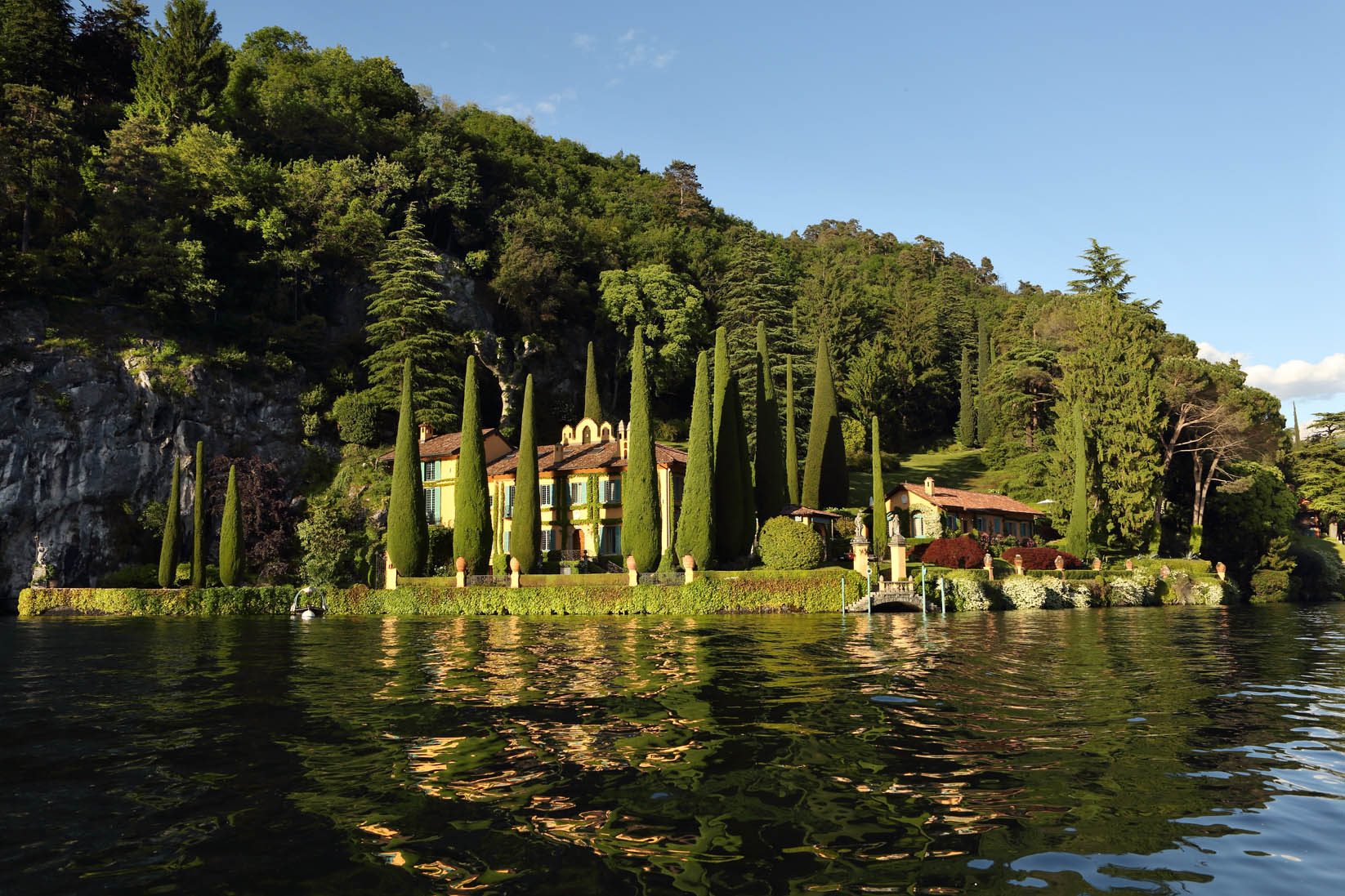
Lake Como, on the contrary to other places, is defined by scarcity.
The homes that shape it are legacy estates; architecturally significant, held across generations, and rarely transacted. Tennis courts, when present, are not added for appeal, but incorporated deliberately over time, often with considerable restraint.
To secure a home with a tennis court in this setting is to enter a closed world governed by relationships rather than availability. Privacy is structural. Visibility is minimal. Social life is selective and inward-facing.
Daily living centers on continuity: long-standing staff, familiar routines, and a pace that resists interruption. Tennis plays a supporting role: valued, used, but never foregrounded. It exists as part of a broader lifestyle defined by permanence rather than seasonality.
A Note on the Season
These places are not interchangeable.
Each offers a distinct way of living through the summer, shaped by context rather than convention. What unites them is not how they look, but how naturally tennis fits into daily life when the home is chosen with intent.
Here, the season is not planned around accommodation. It is shaped by alignment.
Until the next match,
Tennis Homes Team