June 5, 2025
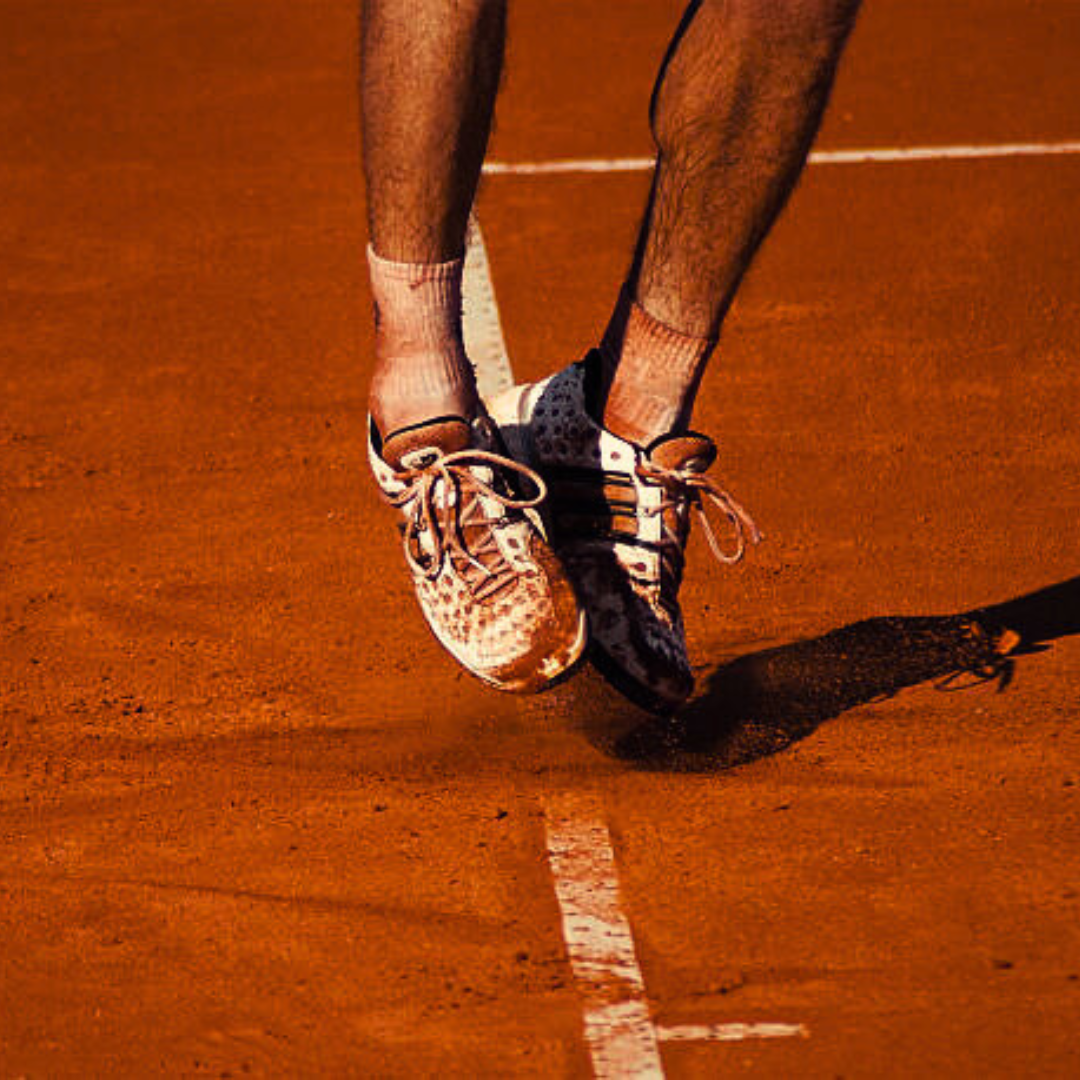
You can tell it was a good match by the red dust on your socks.
The feeling of sliding into a shot instead of sprinting through it. Clay has a rhythm of its own. Slower, more thoughtful, and somehow more personal.
For many, it is the surface that teaches patience. Matches stretch longer. Footwork matters more. And somehow, every rally feels more earned.
Clay courts have been shaping the game and the players for well over a century. The history of clay tennis courts is about innovation, elegance, and endurance. Here is how it all started.

Where the First Stories BeganThe History of Clay Tennis Courts
There are a few versions of how clay tennis courts came to be, and like many great stories, the truth may lie somewhere in between.
One tells of the famous English Renshaw brothers, twin tennis superstars of the late 19th century. As the story goes, they wintered along the French Riviera and, frustrated by grass courts wearing down too quickly, decided to grind up discarded pottery from nearby Vallauris to create a more durable surface. This new red layer protected the grass and added a unique style. Clay, by accident or by design.
But another version, uncovered by poet and tennis historian Rowan Ricardo Phillips, points to Georges Henri Gougoltz, a debt-ridden hotelier who owned the Hôtel Beau-Site in Cannes. In the 1880s, he needed a more practical, low-maintenance surface to keep his guests happy and his courts intact. Clay was not a glamorous invention. It was a clever fix. And it worked. The Beau-Site’s clay courts became a local sensation, drawing players from across Europe, including the Renshaws themselves a few years later.
Which version you believe is up to you. But what is not up for debate is this: it all started there, in the hills of Cannes and the coastline of the Côte d’Azur. The birthplace in the history of clay tennis courts.
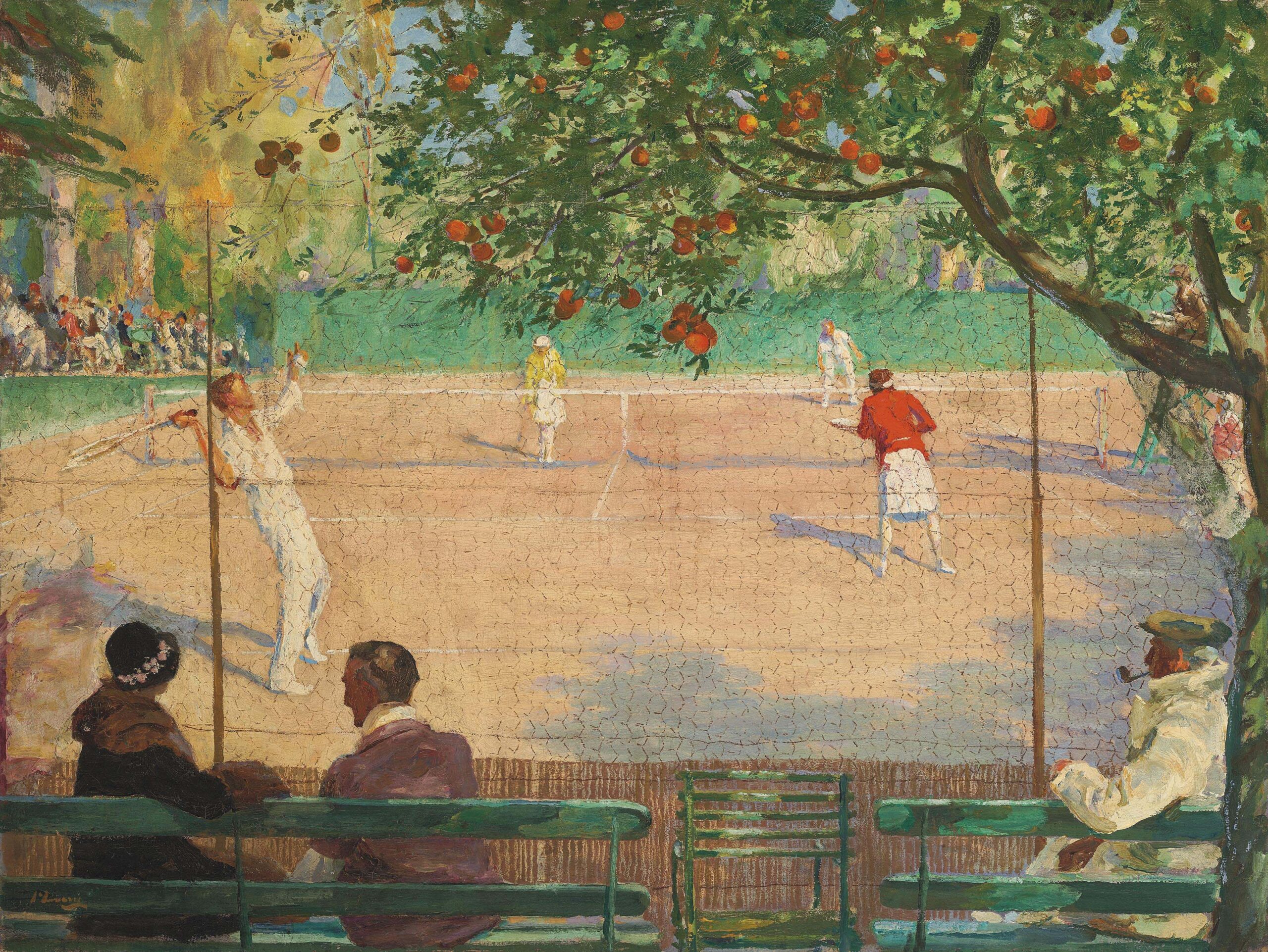
Credit: Sir John Lavery, “Tennis, Hôtel Beau Site, Cannes.” Courtesy of Christie’s. Auction result from Modern British and Irish Art, Lot 41, 20 November 2013.
The European Influence
As tennis spread across Europe, clay took root; particularly in Spain, France, and Italy, where the climate made it ideal. Clubs embraced it. Legends were raised on it. Roland Garros, built in 1928, helped elevate clay to the global stage.
In countries like Argentina and Brazil, clay courts also became the norm. Cheaper to build and more forgiving on the body than hard courts, they became the training ground for generations of baseline grinders and artists alike.
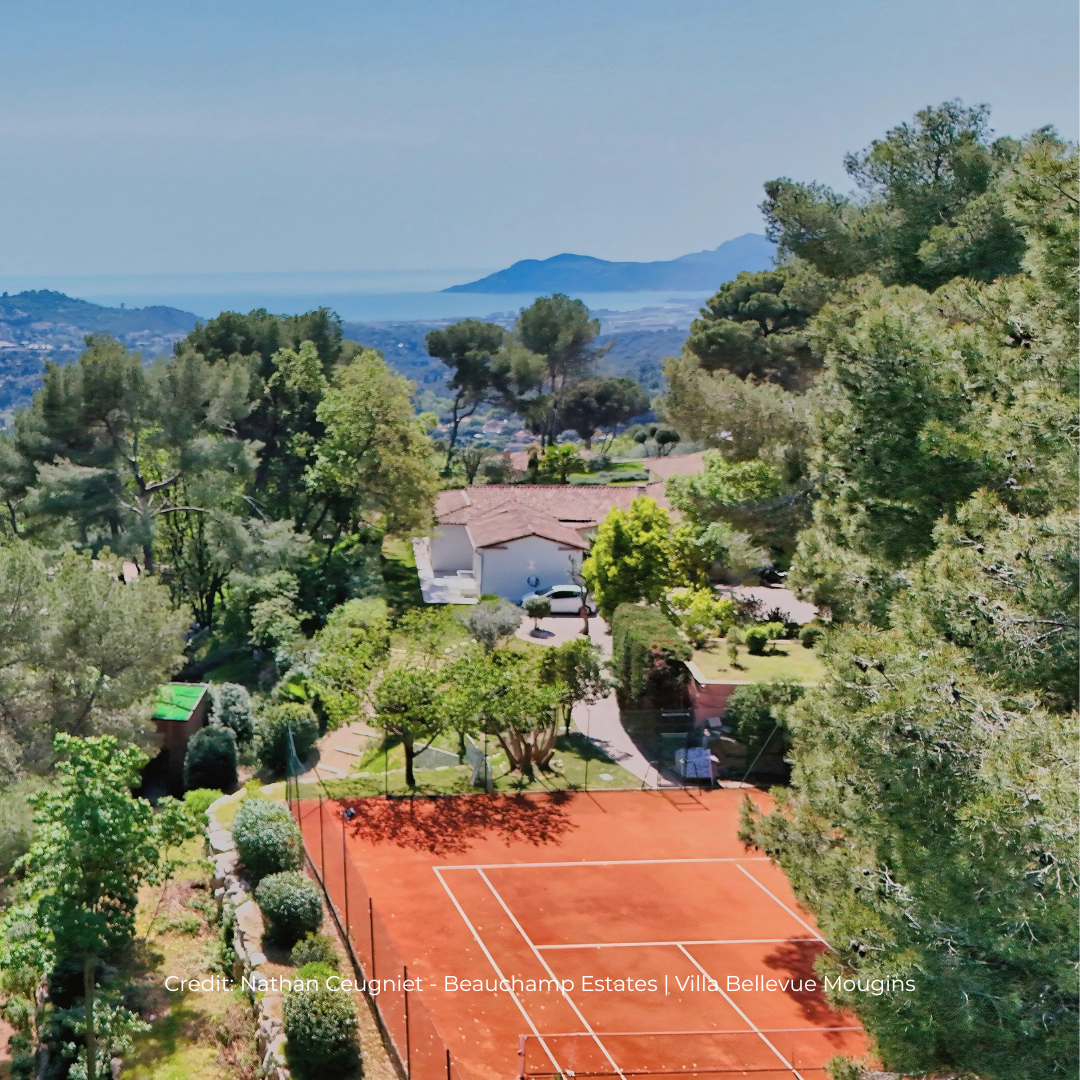

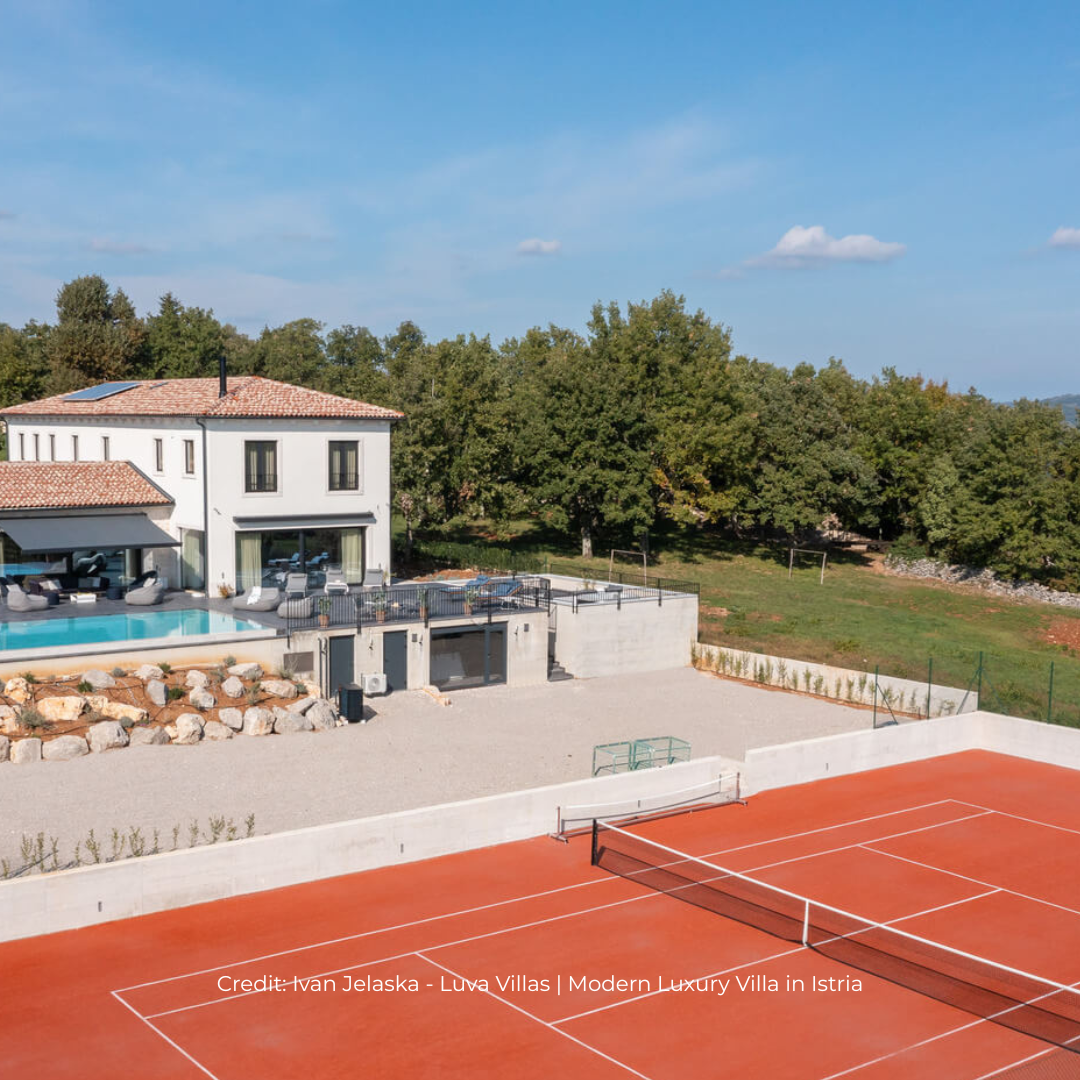
Where the Story Lives On
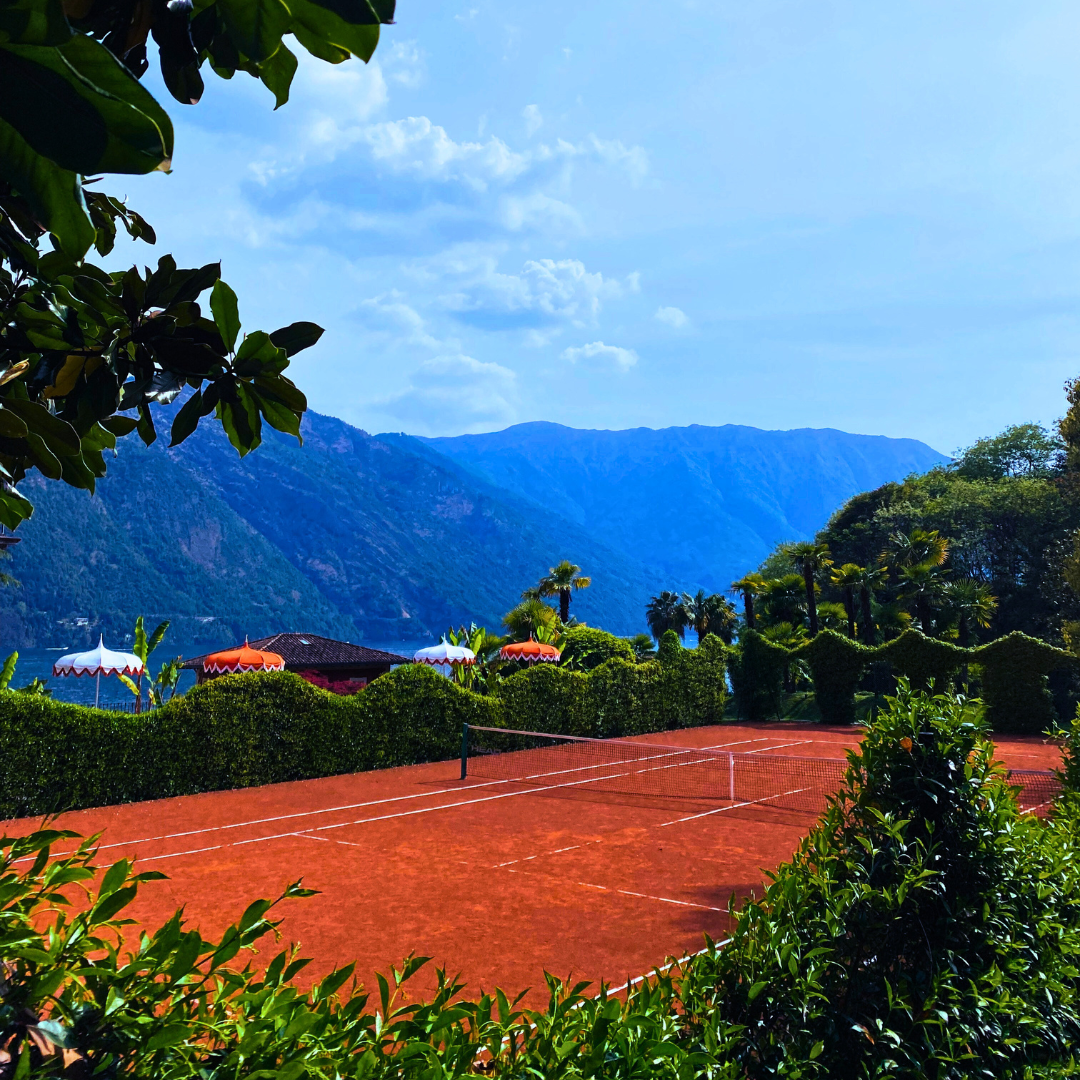
Along the French Riviera, clay courts first found their footing, and the feeling of playing there has never really left. For anyone curious about the history of clay tennis courts, there’s no better place to start than here.
Several homes listed on Tennis Homes for rent sit along this very coastline, not far from where it all began. To play there is to step into the rhythm of the game’s past. To return the ball on the same soil, or near enough, where legends once trained and where the surface itself was first imagined.
See what tennis can feel like when history is built into the view:
Previously at Off court tennis stories
Curious About Building One?
If you’re thinking of adding a clay court to your home, there’s a lot to consider: choosing the right type of surface, drainage, maintenance, etc. We recently published a full breakdown on court planning to help.
Until the next match,
Tennis Homes Team