August 28, 2025
What Makes a Premium Tennis Surface
As the US Open unfolds, now is the perfect moment to highlight what makes hard court surfaces stand out, especially for those living the tennis home lifestyle. They are not all the same, they vary in materials, construction techniques and even color, each choice affects playability, maintenance, and longevity.
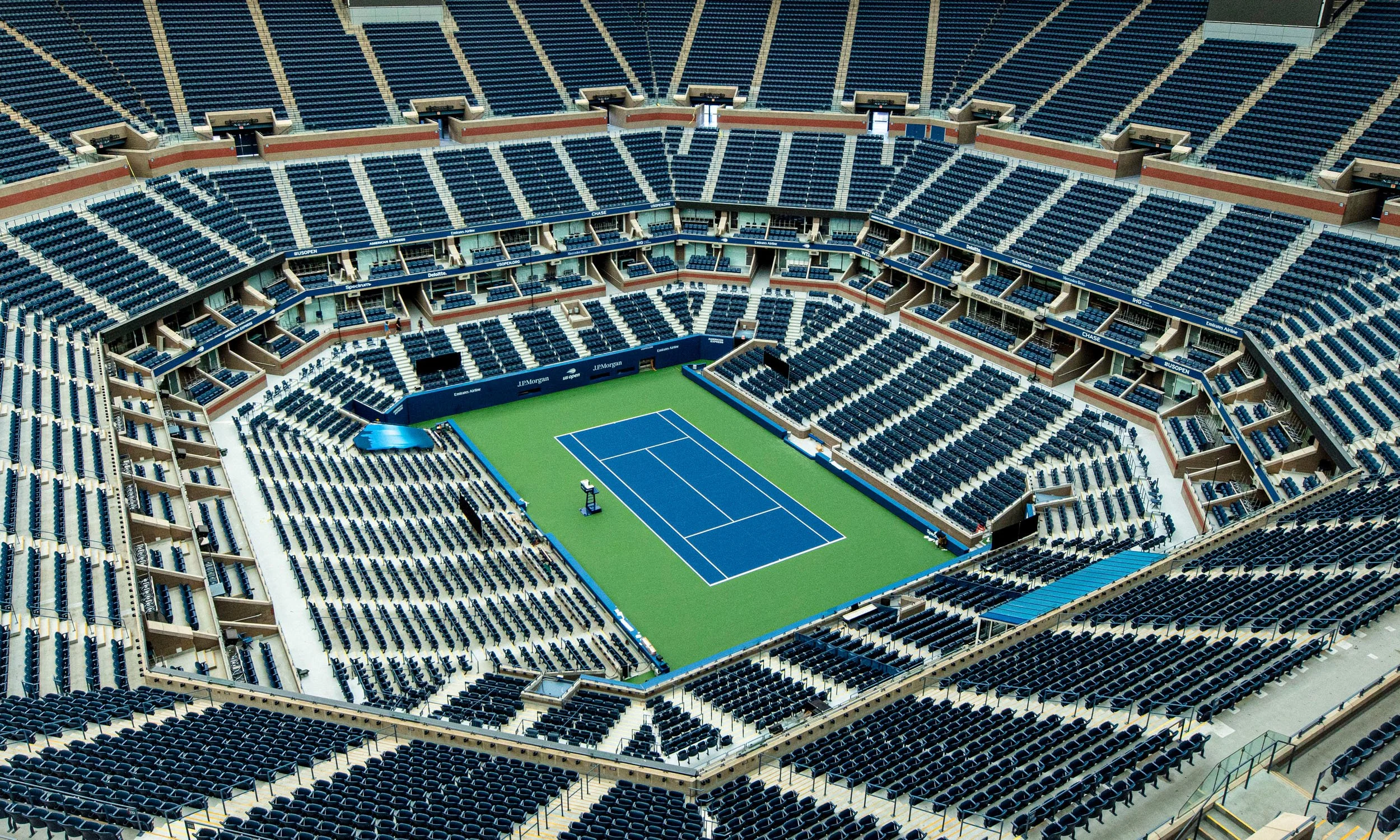
Credit: Laykold
What Defines a Hard Court?
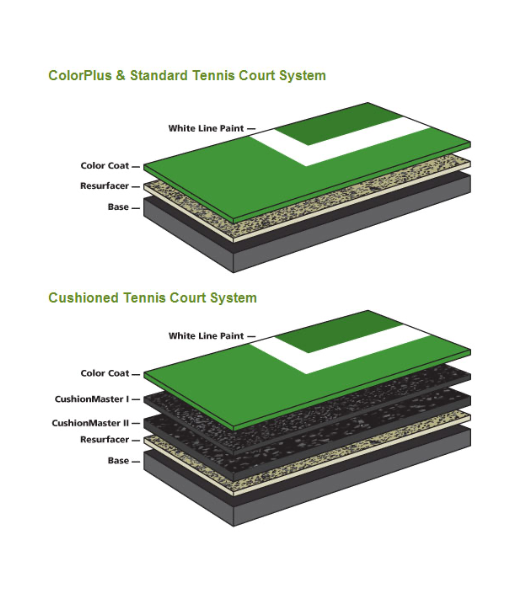
A hard court is essentially a rigid base (typically asphalt or concrete) topped with multiple layers of acrylic coatings. These coatings can be adjusted in texture, cushioning, and color, which explains why two courts can look identical but feel completely different once you step on them.
Asphalt Base
Offers flexibility but may soften and crack over time.
Concrete Base
Firmer, more durable, and often the choice for premium installations.
Acrylic Top Coats
Applied in multiple layers, sometimes mixed with silica sand, to create the right balance of grip and speed.
The Role of Cushion Systems
When people talk about “premium” hard courts, cushion systems are often the defining feature. These involve layers of rubberized or cushioned material placed between the base and the acrylic top coat. The result is a surface that’s easier on the joints, slows down play slightly, and enhances player comfort.
Homes with cushioned hard courts are increasingly popular, offering a professional feel while also making the game more accessible for players of all ages.
Credit: Toronto Court Equipment
Cutting-Edge Technologies Beyond Cushion
Recent innovations have pushed hard court surfaces well beyond traditional construction.
Gel-Infused Layers (Laykold Masters Gel)
An ultra-thin plant-based gel layer absorbs shock and returns up to 70% of energy back to the player, reducing fatigue while maintaining performance.
Multi-Layer Acrylic Cushions (SportMaster ProCushion)
Systems that use layered rubber-infused acrylic, fine-tuned to control speed and ball response, while keeping the surface durable over years of play.
Shock Absorption Pads
Integrated pads (4–9 mm thick) reduce impact on knees and ankles by up to 32%, creating a friendlier playing experience.
Grand Slam Surfaces
- Laykold (US Open): Combines precision speed with sustainable technology.
- GreenSet (Australian Open): Offers multiple pace ratings for versatility.
- DecoTurf (used historically at the US Open): Known for multi-layered durability and consistent play.
Premium vs. Professional
Not all hard courts are created for the same purpose. On one end, professional courts, like those at the US Open or Australian Open, are built to strict regulations, ensuring speed, bounce, and durability meet global tournament standards. These are designed for elite athletes and resurfaced regularly to guarantee consistent play.
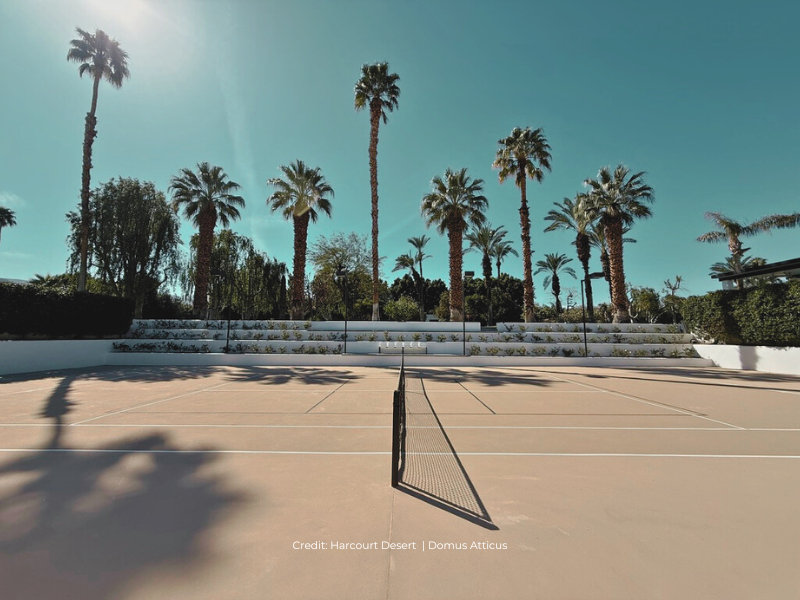
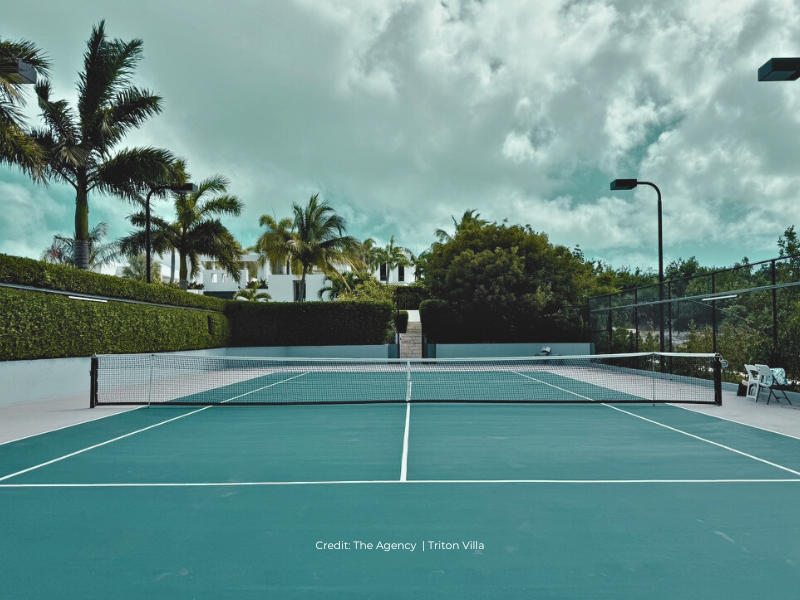
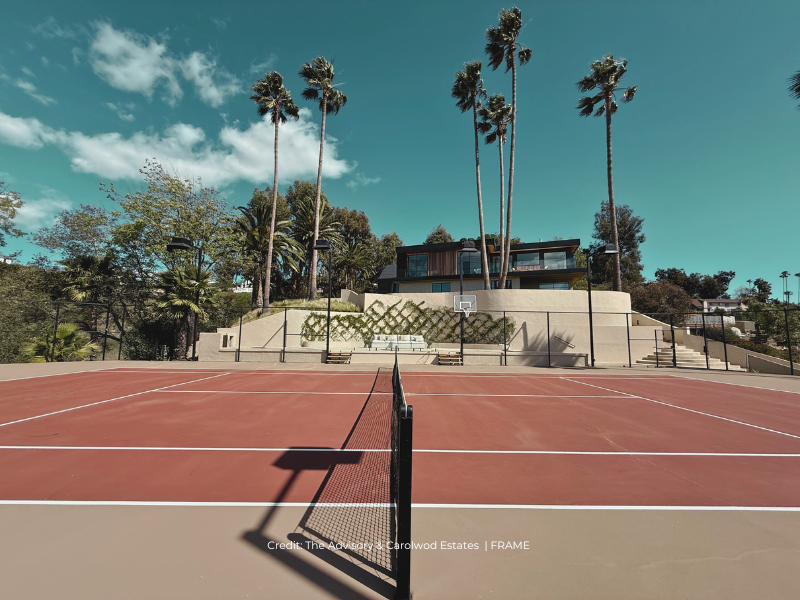
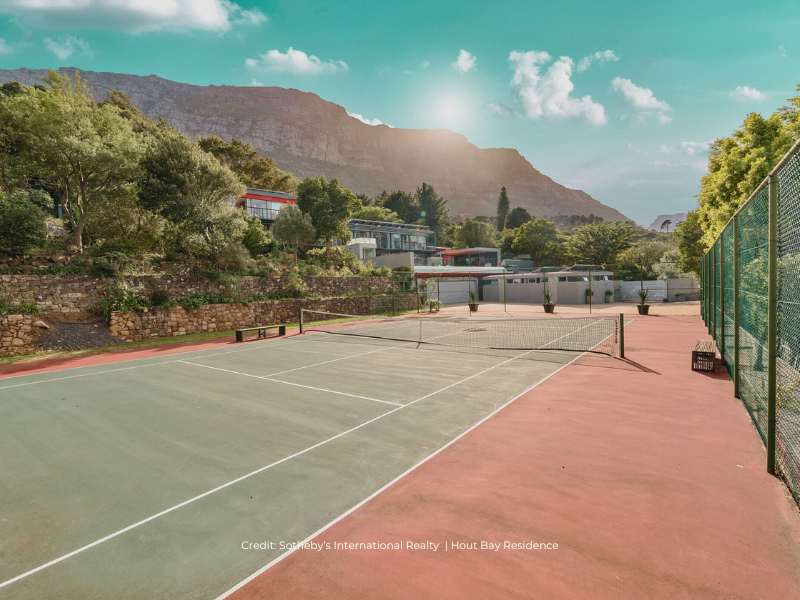
On the other hand, premium courts bring those same technologies into private homes, academies, or clubs, but with added attention to comfort and lifestyle. Cushion systems, gel layers, and custom finishes make them easier on the joints and more versatile for year-round play. They may not host a Grand Slam, but they deliver a professional-grade feel with the added flexibility of design, color, and texture to match the property.
Color, Texture, and Speed
The color of a hard court is more than cosmetic. Darker shades (like the blue used at the US Open) enhance ball visibility for players and audiences alike. Sand mixed into the acrylic affects traction and pace: more sand slows the court and increases bounce, less sand creates a faster, slicker feel.
This explains why one “hard court” can feel completely different from another, depending on how it’s finished.
What It Means for Tennis Homes
For homeowners, buyers, and renters, understanding these details is more than trivia. A tennis home with a cushioned, professional-grade hard court doesn’t just add value to the property, it transforms everyday play into a world-class experience.
Imagine hosting friends for a match on your own US Open–style surface, or renting a villa where a premium cushioned court makes long rallies easy on the body. The right surface turns a property into a destination; and you can find them all here.
Until the next match,
Tennis Homes Team