June 11, 2026
The Surface Decision
Clay just had its moment in Paris. Grass is next. For a private owner, those two surfaces ask the most of all.
Roland Garros has wrapped, and the tour is sliding from red clay toward grass. Here is what gets overlooked: the two surfaces everyone is watching this month are the two that ask the most of a private owner. The surfaces most people actually live with, hard court and synthetic turf, barely feature on the calendar right now.
So the real question is not which surface looks best on television. It is which one fits the property, the climate, and the way you want to play. None of these is better in every setting. Here is what each asks of you, and what it gives back.
Red clay and Har-Tru
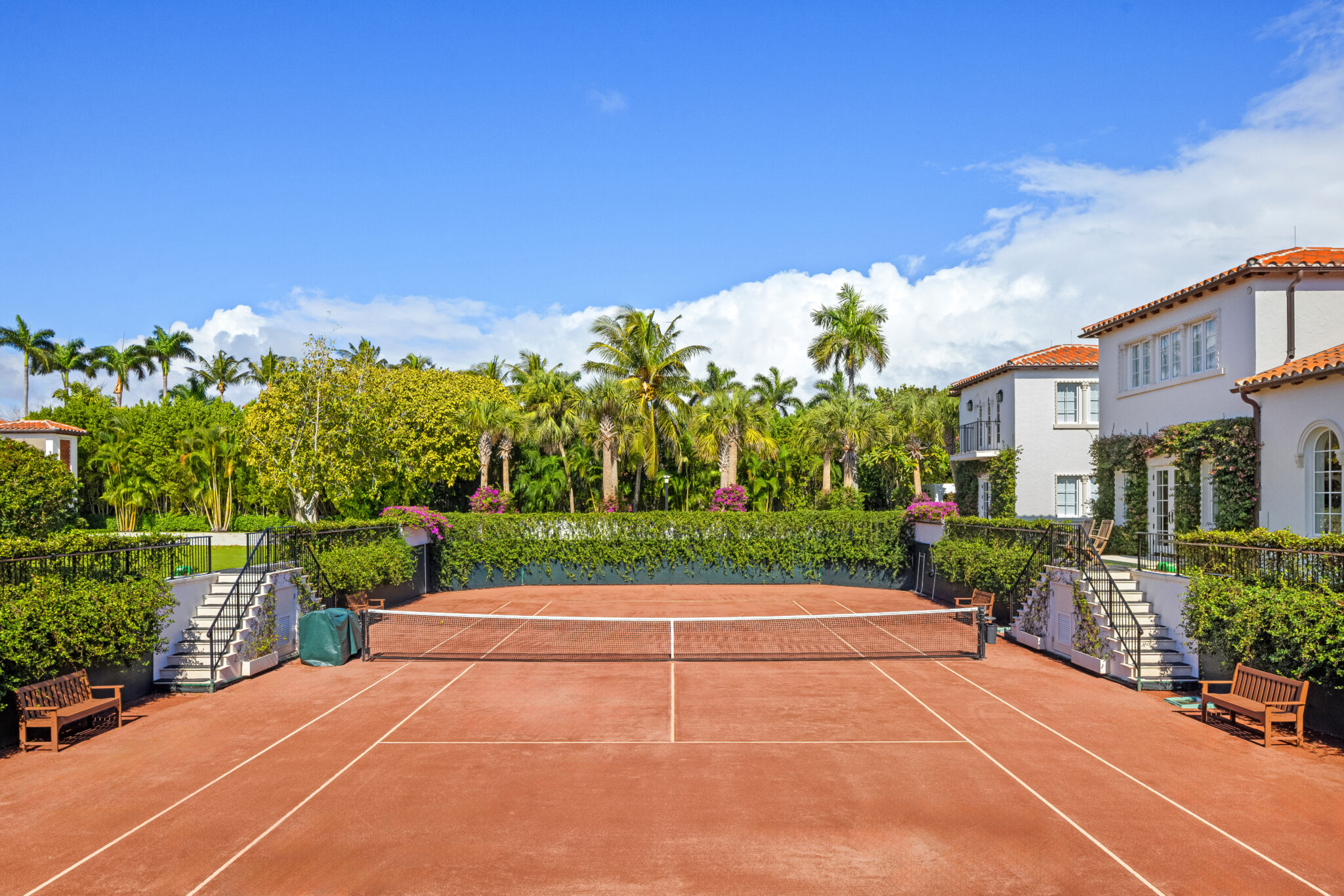
The closest feeling to Roland Garros, and the most hands-on to keep.
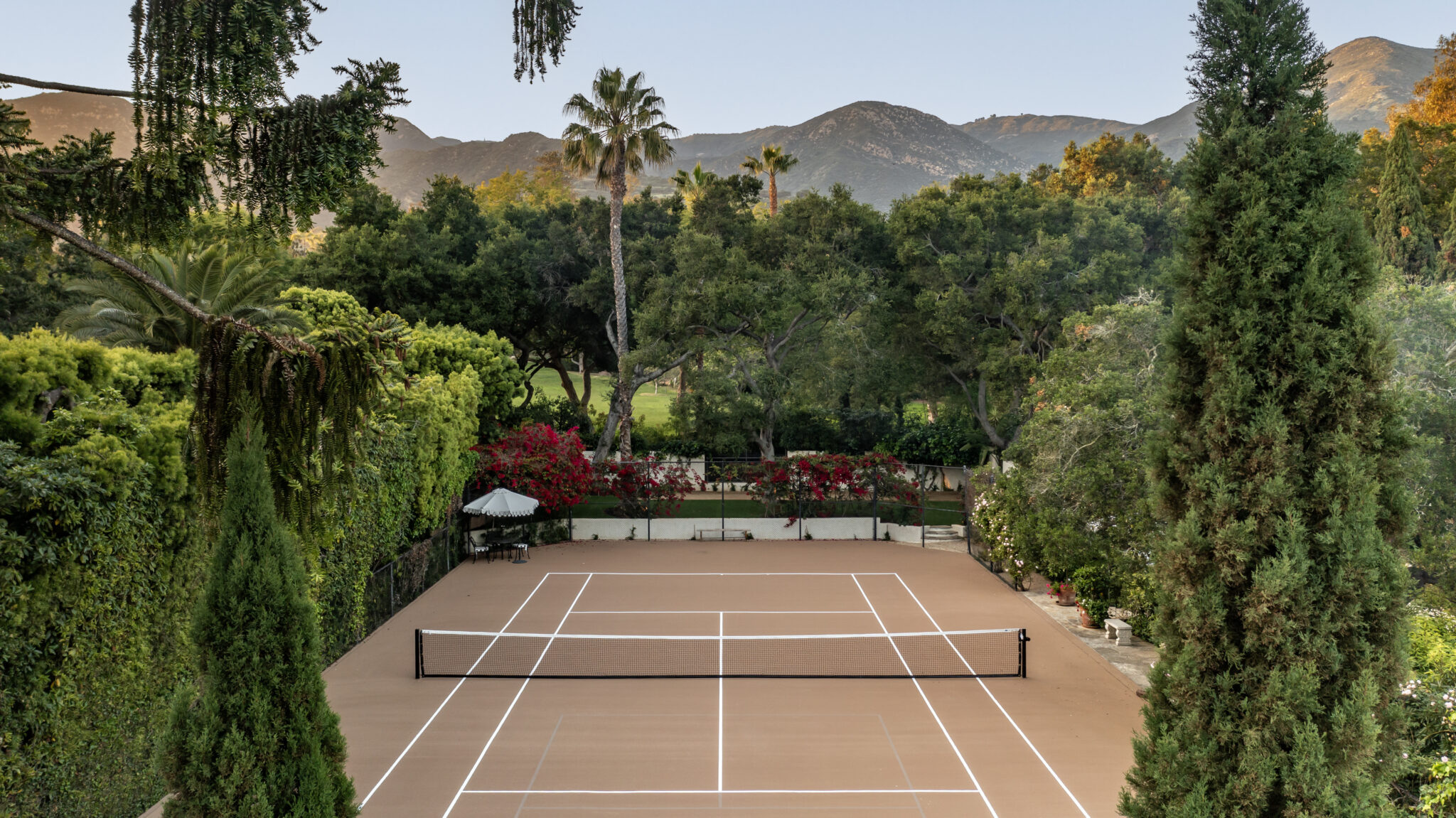
Clay is the slow surface. The ball sits up, rallies stretch out, and players slide into their shots instead of planting hard, which is part of why it is kinder on the body. But clay is really two different courts, and the difference matters before you build one.
Red clay, the European surface under the players in Paris, is built from finely crushed brick with a loose top dressing. Har-Tru, the clay common across North America, is crushed stone. They also play differently. Red clay is the slower of the two, with a higher bounce and a fuller slide into the shot. Har-Tru plays a touch quicker and lower, and it is harder to slide on, closer to a hard court in feel.
That brick against stone difference is why red clay is the harder court to keep. The brick top layer needs constant moisture, careful watering, and regular brushing and rolling, since the loose surface shifts with play and wind. Har-Tru drains more freely, dries faster, and forgives more. Rain shows it plainly. Har-Tru can be back in play soon after a light shower, while red clay holds water by design and recovers more slowly.
Neither wears out the way a hard court does. The surface is renewable and can last a very long time with steady care. Red clay simply asks for more of it, more often, which is why a true red clay court at a private home is rarer than people expect, and almost always tied to the right climate and the right person looking after it.
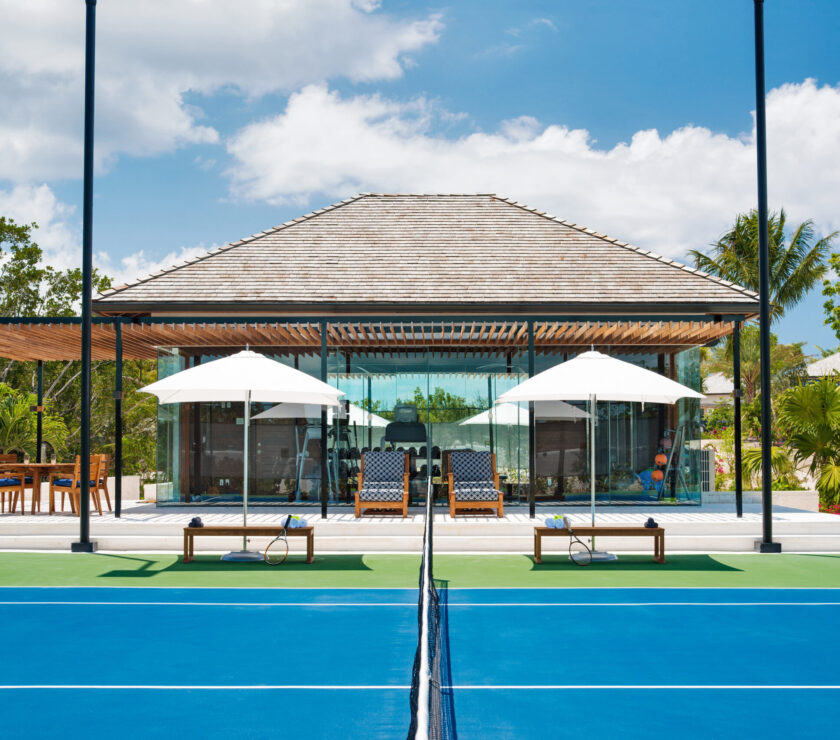
Acrylic hard court
Less romance, the most predictable court to own.
Hard court is the surface most players know best. The bounce is true and consistent, the pace can be set through the coating, and nothing surprises you day to day. It is firmer underfoot than clay or grass, which asks a little more of the body and gives back reliability.
Its upkeep is the simplest of the traditional surfaces: clear debris, wash it down, keep drains clear, and watch for cracks. Rain is where it earns its place, since it drains and dries quickly and is ready again soon after standing water clears. The coating is refreshed from time to time while the base lasts a long time when drainage is managed. It is the most adaptable to climate, with freeze and thaw over poor drainage, tree roots, and standing water the main threats.
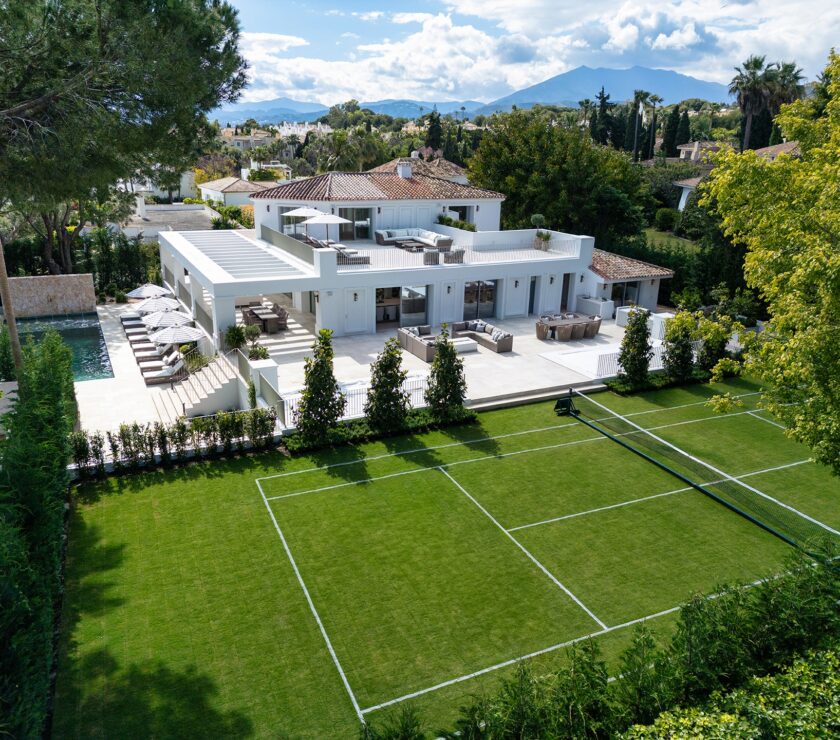
Natural grass
The dream surface, and the one that lives like a garden.
Grass plays fast. The ball stays low, points are short, and the surface rewards a strong serve and coming forward. It is soft underfoot and unlike anything else to play on. The catch is that it is less a court than a living system. In season it asks for near-daily attention: mowing, rolling, watering, feeding, and reseeding the spots that wear first. A private court does not need Grand Slam conditions, but once grass is used for tennis, ordinary lawn care is not enough.
Weather is its weak point. Rain softens and slows the surface and makes footing tricky, so play pauses and returns only as drainage and sun allow. It has the shortest comfortable playing window of the four. Cared for, grass renews season after season. Overused or neglected, its condition falls away fast. It belongs in temperate climates with good drainage, sun, and air movement, and struggles in heat, humidity, and shade.
Synthetic turf
Some of the garden look, more of the practicality.
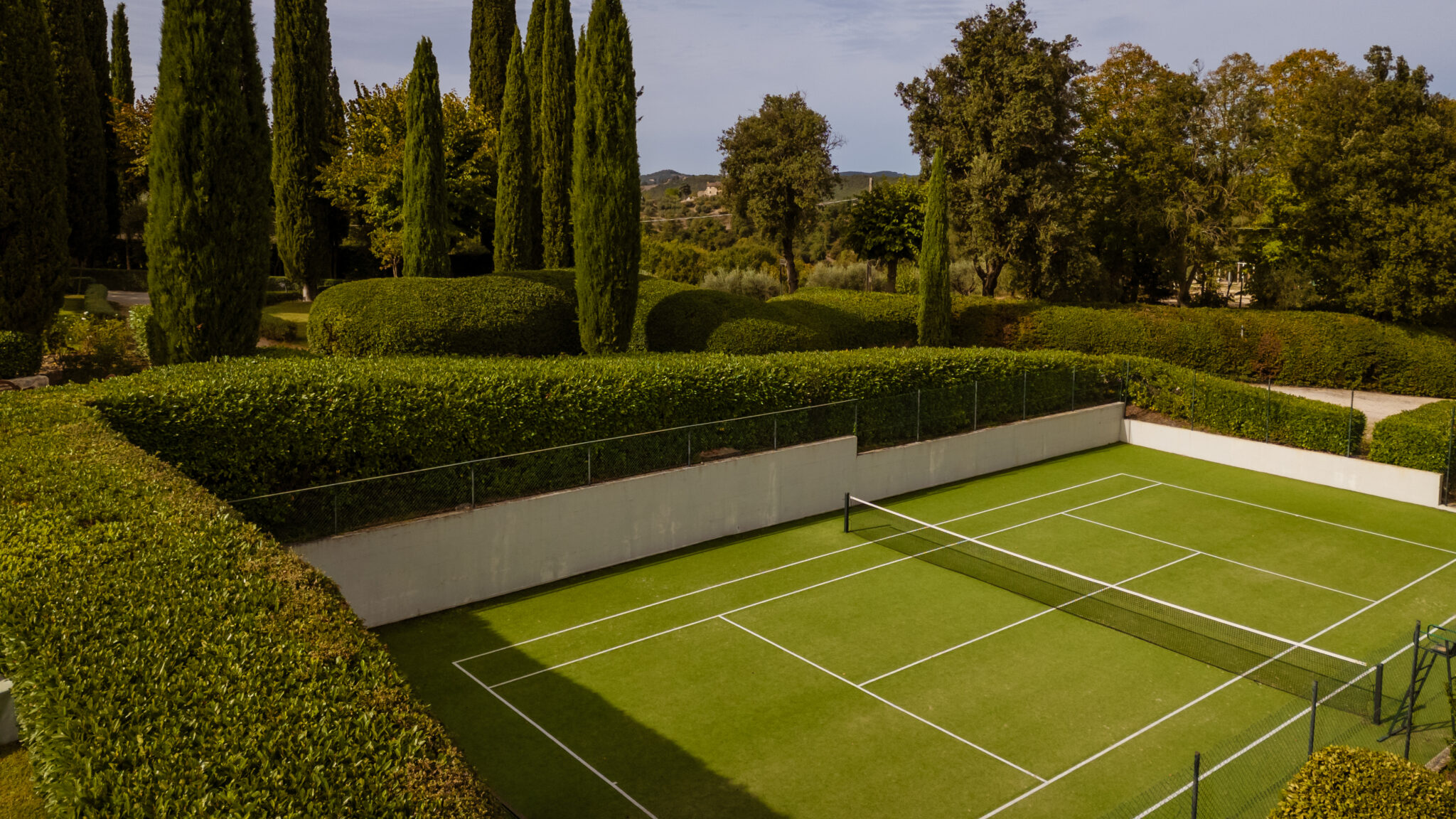
Synthetic turf sits between worlds. It carries some of the softer footing and green look of grass, with a bounce set by the system beneath it, and it plays consistently through the year. Its care is periodic rather than daily: brushing to keep the infill even, clearing moss and debris, checking seams and drains.
Rain runs straight through it, so it is among the quickest surfaces back into play after a shower, which makes it a strong choice in wet or unpredictable climates. It is a long-life surface, eventually replaced rather than resurfaced. The points to watch are heat underfoot in strong sun, moss in damp shade, and dust on exposed coastal sites.
Matching the surface to the place
The surface that makes sense on tour this month is not always the one that makes sense on a property. A red clay court that thrives in the South of France, with sun and water and someone tending it, would struggle on an exposed site with no irrigation. Grass that belongs in a temperate garden would fight a hot, dry summer. Hard court and synthetic turf ask less and recover faster, which is often exactly what a home needs.
| Surface | Feel of play | After rain | Day-to-day upkeep | Best-fit climate |
|---|---|---|---|---|
| Red clay | Slow, high bounce, classic slide, easy on the body | Holds moisture, slower to recover, needs a skilled hand | The most hands-on: frequent watering, brushing, rolling, replenishing | Warm and Mediterranean, with strong irrigation |
| Har-Tru (green clay) |
Slightly firmer and quicker than red, still slow and forgiving | Porous and quick-draining, often back soon after light rain | Hands-on, but more forgiving than red clay | Warm and mixed climates, more weather-tolerant |
| Acrylic hard court | True and consistent, firmer underfoot, less forgiving on the body | Drains and dries quickly, soon back in play | Light: clear debris, wash, check for cracks | The most versatile of the four |
| Natural grass | Fast, low bounce, short points, soft underfoot | Slow to recover, play usually pauses | The most demanding, near-daily in season | Temperate, sunny, well-drained, good air movement |
| Synthetic turf | Consistent and forgiving, tunable bounce | Sheds water fast, among the quickest back | Periodic brush, clear moss, check seams | Wet and mixed climates with good drainage |
If you are weighing a court, or looking at a home where the court was considered as carefully as everything else, we would like to hear from you.
Until the next match,
Tennis Homes