The Secret Behind Tennis and Longevity
Tennis has long been considered one of the world’s healthiest sports, and not just because it gets the heart rate up. It trains the mind as much as the body, demands focus and strategy, and encourages the kind of movement we rarely find in everyday life. What makes it even more powerful is that it stays with people for decades. Many pick up a racquet in childhood and continue well into their seventies and eighties.
Recent longevity research highlights what tennis players have known for years: staying active, staying social, and staying mentally engaged are three of the strongest predictors of a long, healthy life. Tennis brings all three together in a way few sports can.
Add to that the rise of padel and pickleball, which keep more people moving with similar benefits, and we begin to see a bigger picture: racquet sports are not just games. They’re one of the simplest, most enjoyable ways to invest in your long-term health.
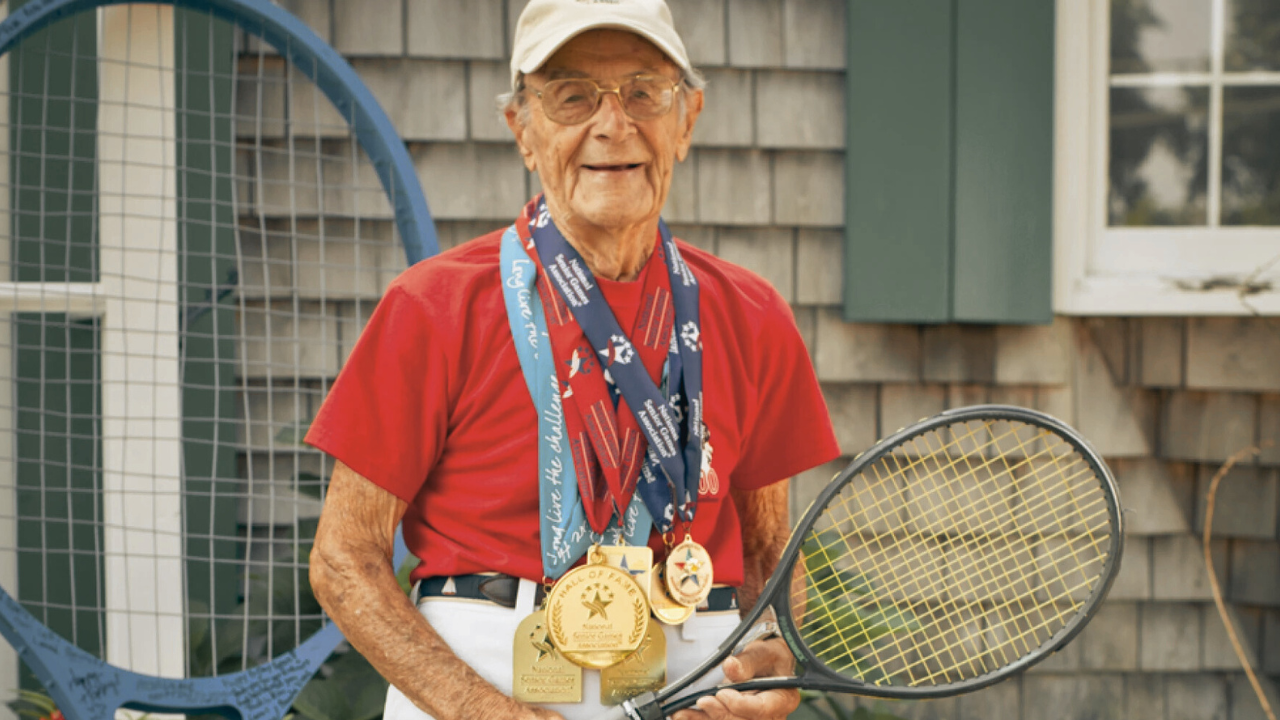
Credit: Roger Gentilhomme, 100-year-old tennis champion | KPBS
Tennis Leads the Health Rankings
Long-term research from Copenhagen that followed more than 8,000 people for 25 years found something extraordinary: tennis players lived almost a decade longer than people who didn’t exercise, and significantly longer than runners, cyclists, swimmers, and gym-goers. The explanation is simple and yet incredibly powerful.
Tennis challenges the heart with intervals of effort and recovery. It strengthens bones, improves reaction time, keeps the mind sharp, and encourages agility at every age. It is one of the few sports where the body and brain work in constant dialogue, point after point.
Equally important is the social element. A tennis match is shared time: a partner, an opponent, a moment of camaraderie. That connection plays a real role in longevity. Research continually shows that people who stay socially engaged live healthier, happier, and longer lives.
Tennis offers a rare combination of physical intensity and emotional nourishment; a blend that keeps paying dividends well into later life.
Tennis, Padel, and Pickleball: How They Compare
While tennis remains the most thoroughly studied of the racquet sports, its newer cousins – padel and pickleball – are increasingly popular and offer attractive fitness options. They’re great additions but it’s worth looking at how they differ when we talk about long-term health.

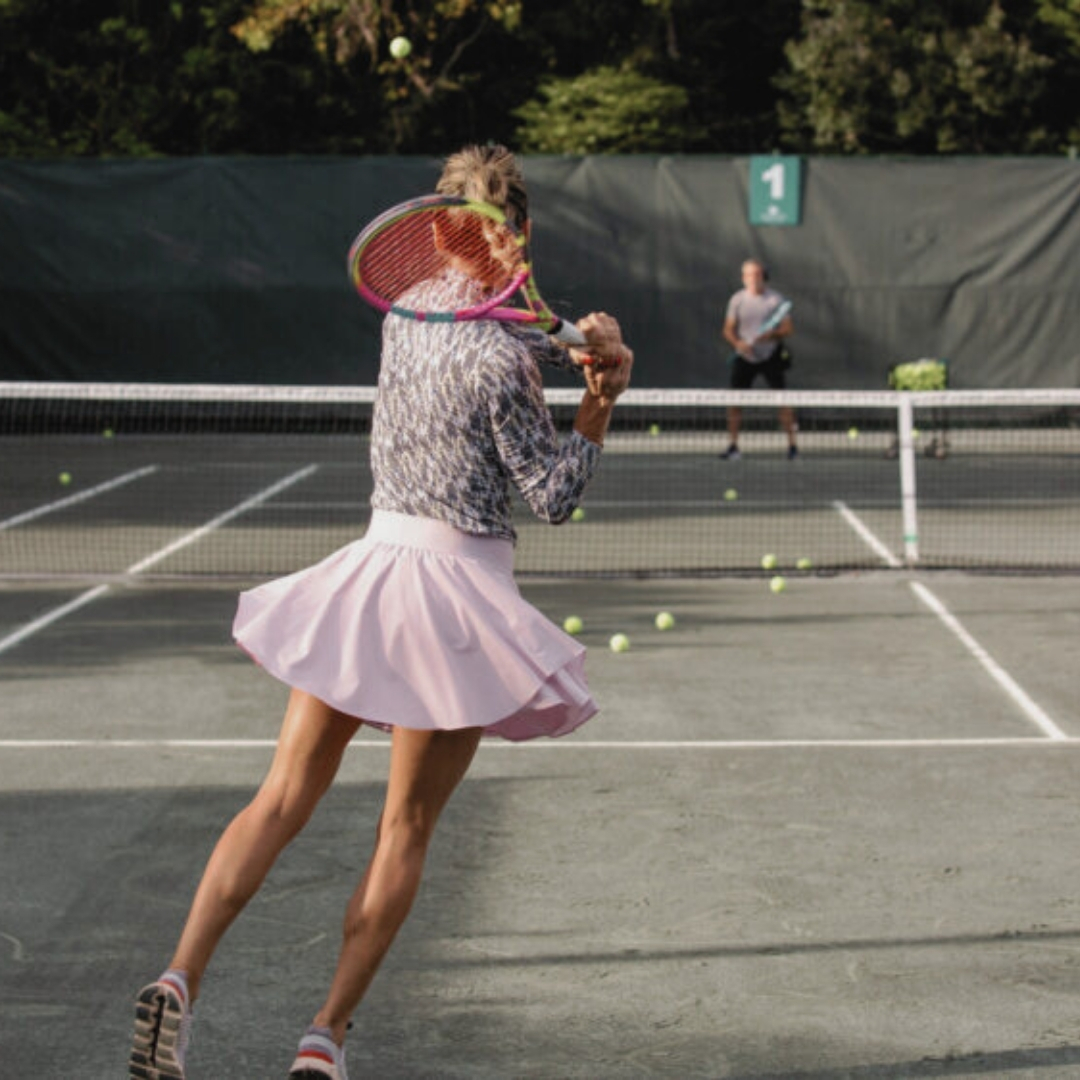
Tennis
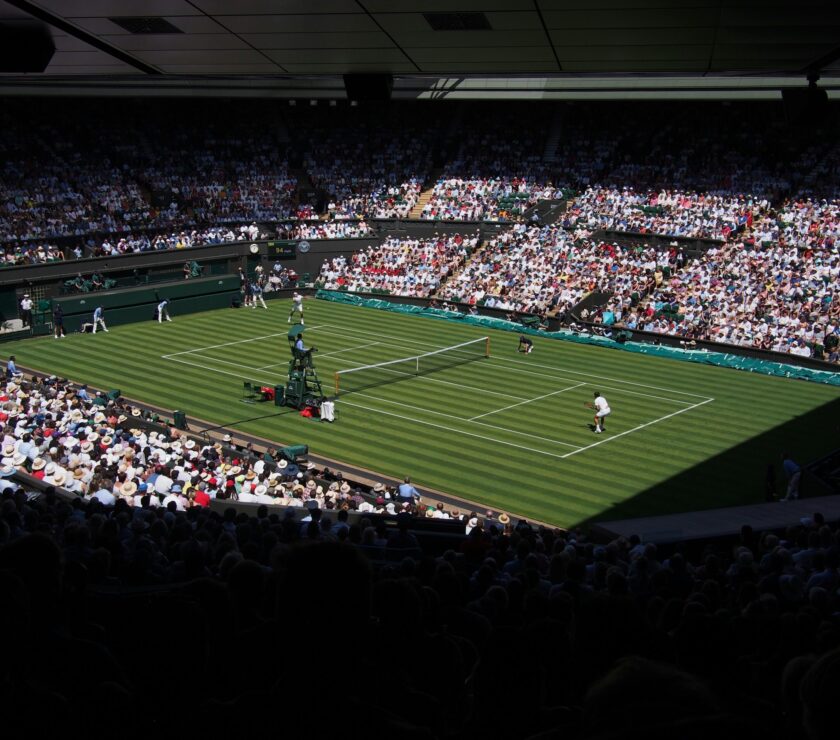
Tennis is the most researched of the three and consistently ranks among the top sports for long-term health. Its mix of aerobic conditioning, coordination, balance and mental focus creates full-body engagement that few activities match.
Injuries tend to be manageable, mostly shoulder or lower-back strains, and players who stay active and maintain good technique see strong longevity benefits. Studies continue to show longer life expectancy among regular tennis players compared to many other recreational sports.
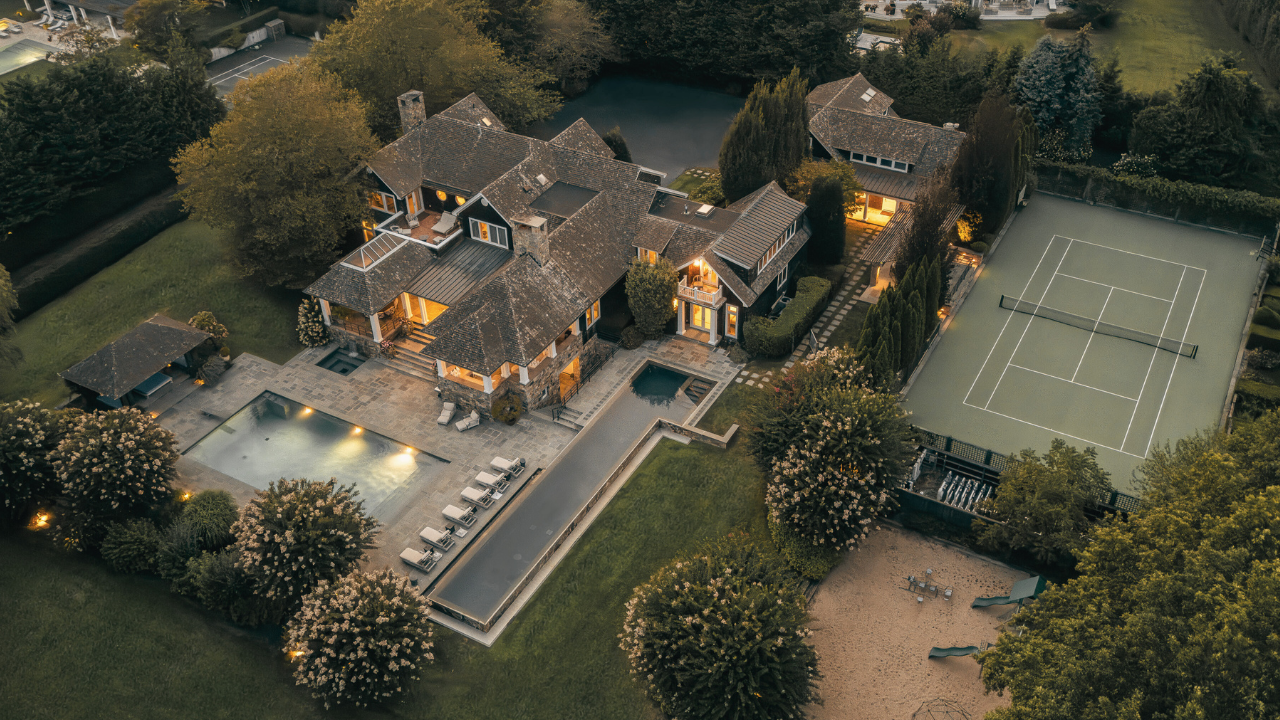
Photo Credit: Lux Tennis
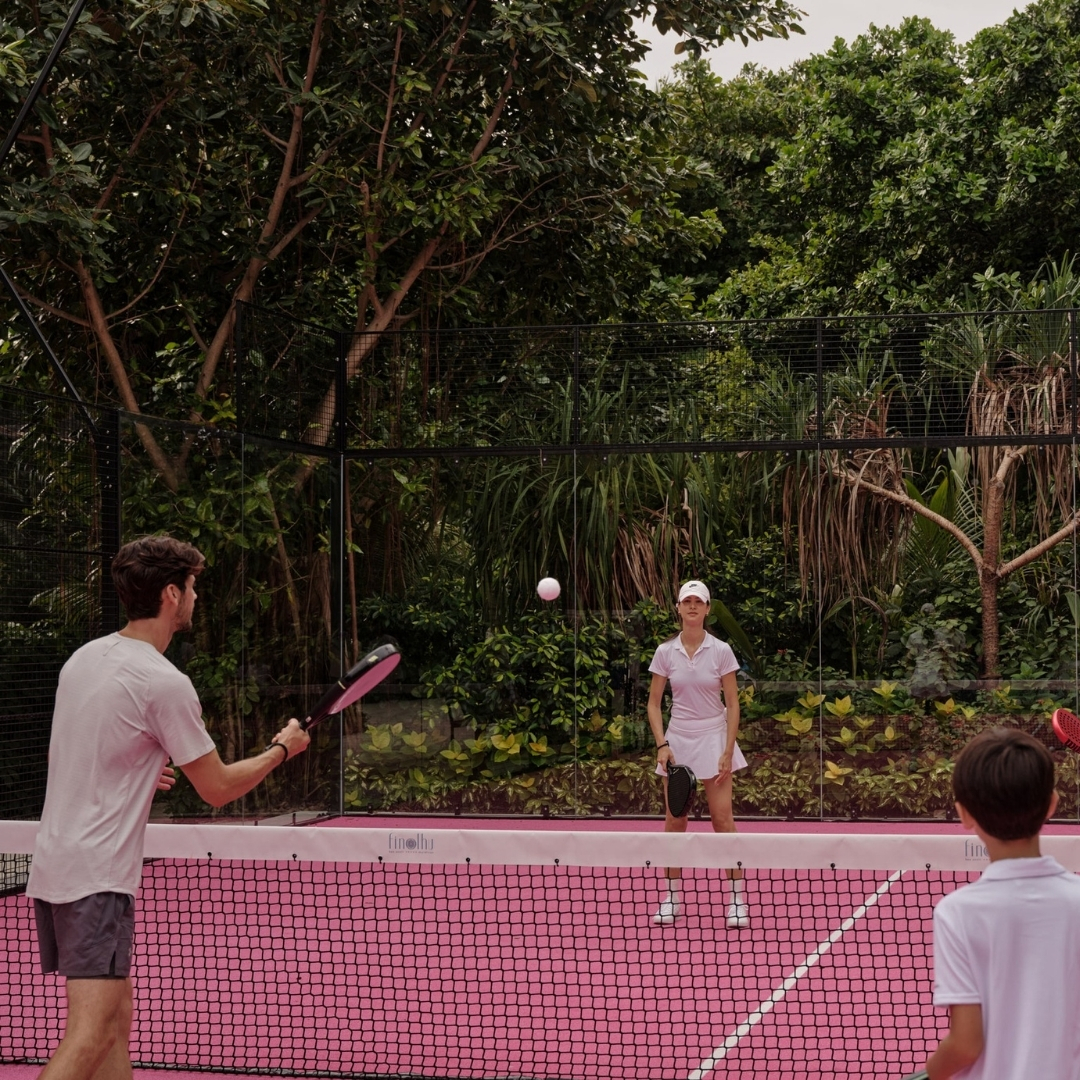
Padel
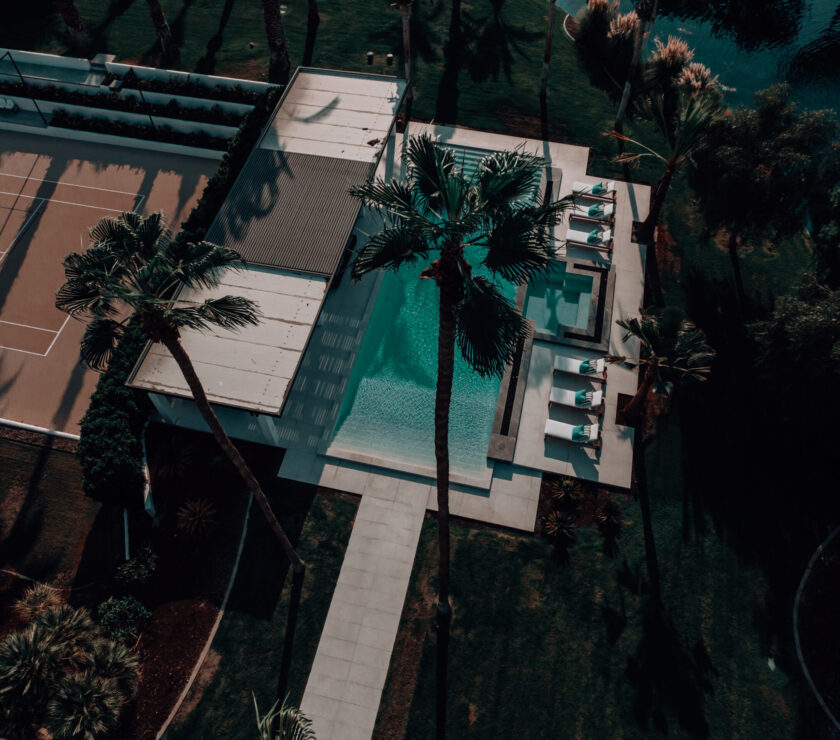
Padel sits comfortably in the middle. The enclosed court, lower-impact movement and short, fast rallies create a workout that feels energetic without putting excessive stress on the body. It is social, fun and a great source of cardiovascular activity.
Injury patterns do exist, mostly ankle sprains and rotational strains from quick directional changes, but overall padel tends to be gentler than tennis and pickleball. For many players, it becomes a natural complement to tennis rather than a replacement.
Photo Credit: Finolhu Baa Atoll
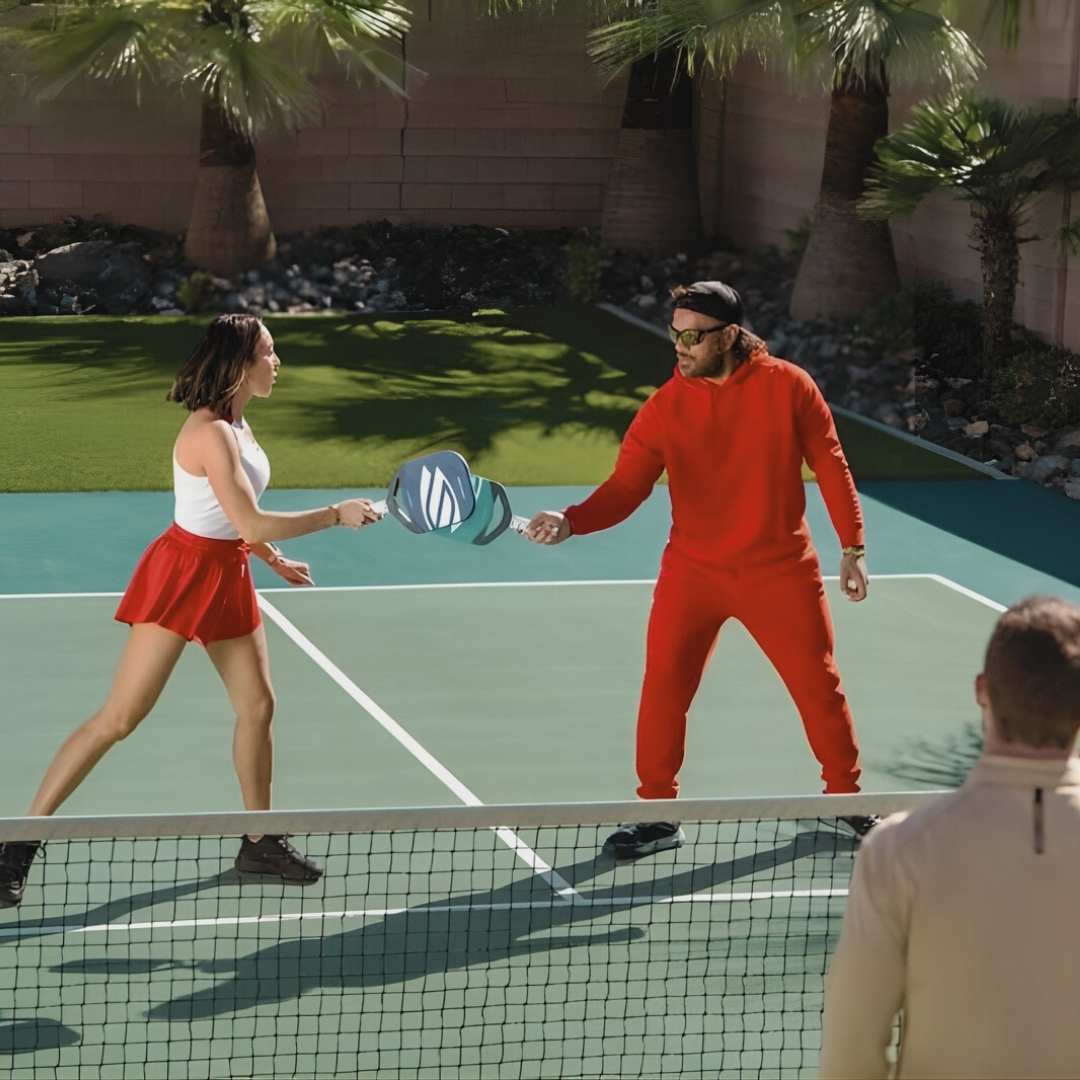
Pickleball
Pickleball’s rise has been remarkable, especially among older adults who enjoy its social atmosphere and easy learning curve. The game is light, fast and accessible for players of all ages.
The growth has also brought a noticeable increase in injuries, particularly sprains, falls and fractures in adults over 60. Many cases are linked to abrupt stops on hard courts or limited warm-up. With proper footwear and mobility training, the risk can be reduced, but injury rates remain higher than in tennis or padel.
Photo Credit: Salted City Sports | Pickleball for Seniors
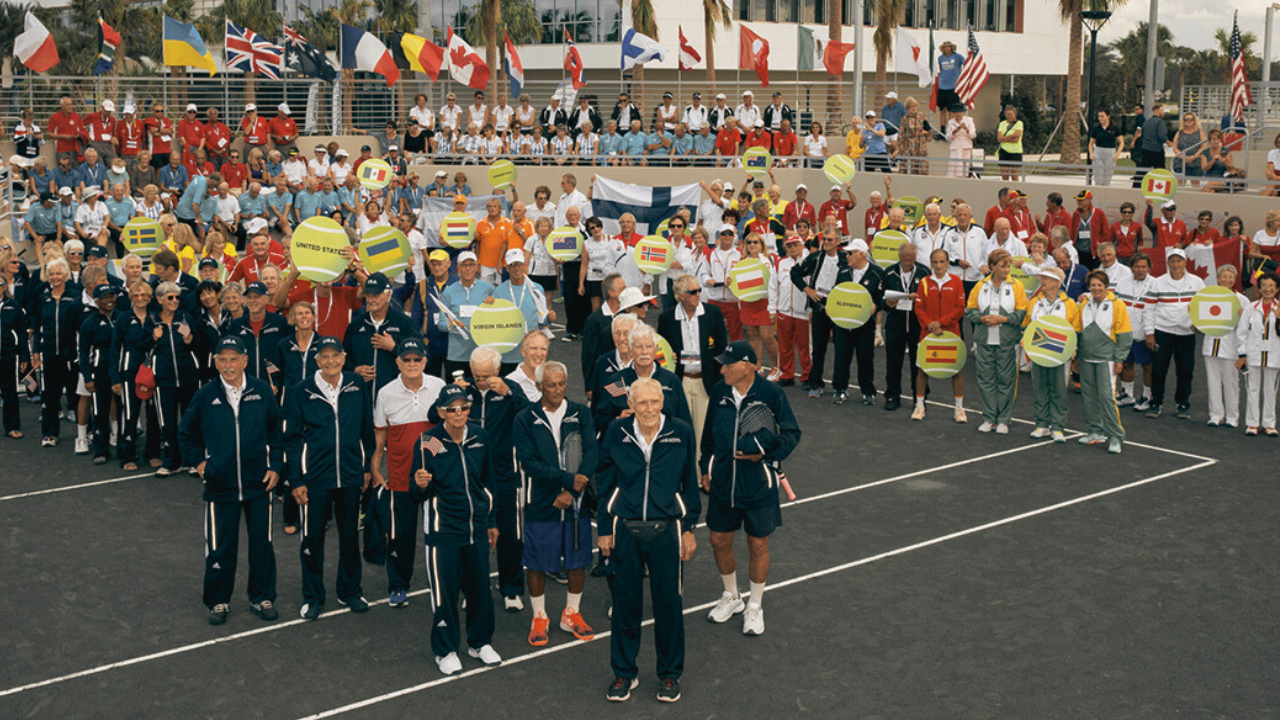
Credit: Manuela Davies/USTA
A Sport You Can Grow Old With
The beauty of tennis is that it grows with you.
You see it in the “Super Seniors” of the ITF – players in their eighties and nineties who still travel, compete, and train. You see it in professionals who are rewriting athletic timelines. You see it in communities where retirees gather every morning for doubles before sharing coffee and conversation.
Tennis is movement, but it is also ritual. It creates structure, purpose, and joy at moments in life when those elements matter most.
It is not uncommon to meet someone in their seventies who runs, hits, laughs, competes, and says, “Tennis keeps me young.” And often, you can feel the truth of it simply by watching them play.
Private Tennis Homes Make Healthy Living Effortless
A home with its own court does something subtle but transformative: it removes friction.
No commute to the club. No scheduling stress. No excuses.
You step outside, hit for twenty minutes, or play at sunset with your partner. You host friends for a weekend tournament, teach your kids the basics, or practice serves before dinner. Movement becomes part of the day instead of something you have to plan for.
For many owners, the court becomes the center of a full wellness rhythm. It often sits alongside a pool, a yoga pergola, a small gym, a hitting wall, or a shaded pavilion for stretching after a match. Over time, the home feels like a sanctuary that supports consistency, the foundation of every longevity study.
And because these homes reflect the people who live in them, no two courts feel the same. Some choose hard courts for precision and speed; others prefer clay for softer, longer rallies. Some create quiet spaces for early-morning practice, while others add lines for pickleball or padel to bring more people into the game.
Living this way turns wellness from a goal into a lifestyle that unfolds naturally, without effort, and always just a few steps away.
A Path to Living Longer, Happier
When studies describe tennis as the healthiest sport in the world, they are describing a combination of movement, community, joy, routine, and purpose. These are the building blocks of a long and meaningful life.
A private tennis home simply makes that lifestyle easier to maintain. It turns movement into ritual, turns play into connection, and turns wellness into something natural and lasting.
For those who dream of living a longer, healthier chapter, exploring tennis homes around the world can be a deeply inspiring place to begin.
Until the next match,
Tennis Homes Team