Why Homes with Tennis Courts Are Rising in Value
The global rise in demand for luxury homes with tennis courts
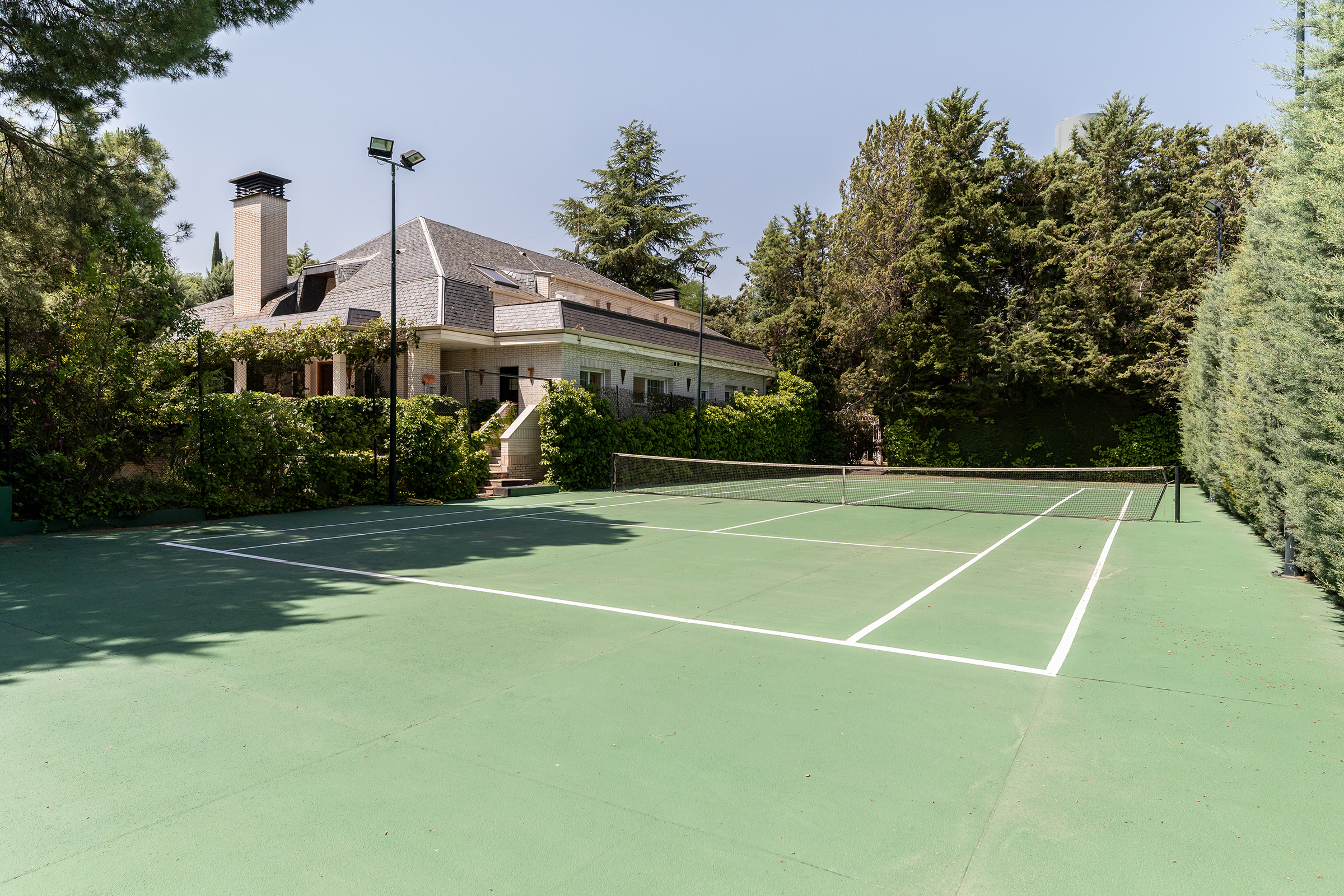
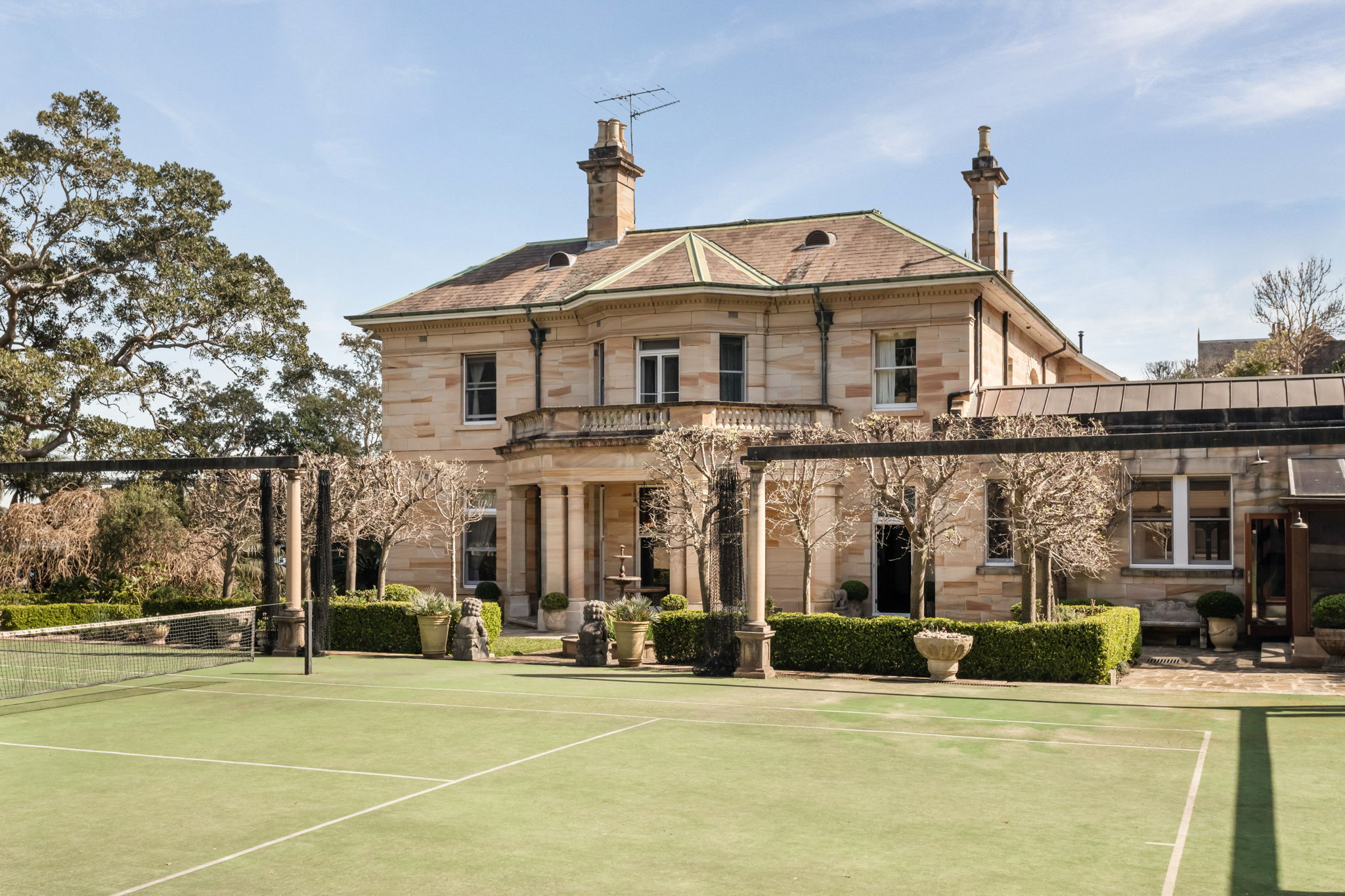
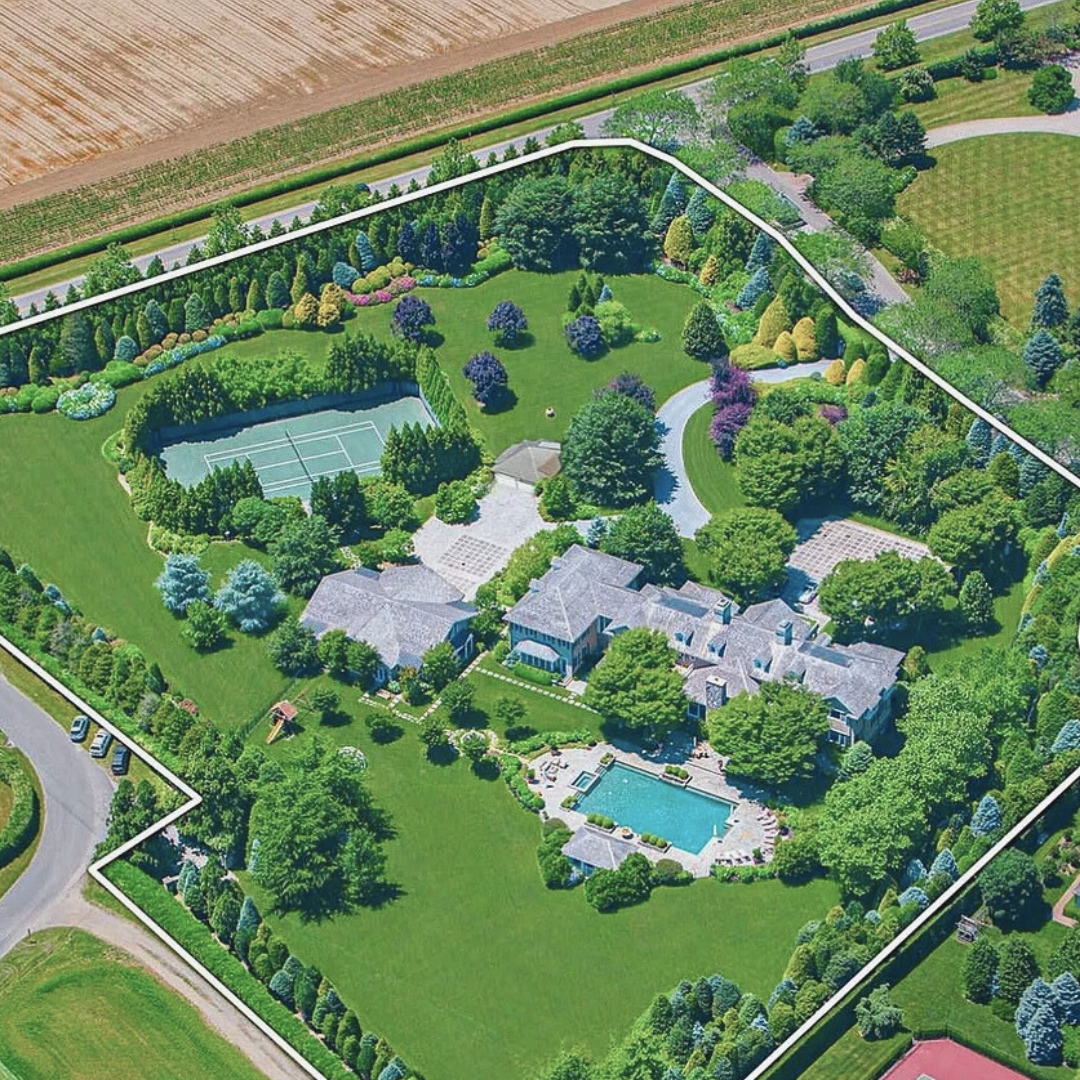
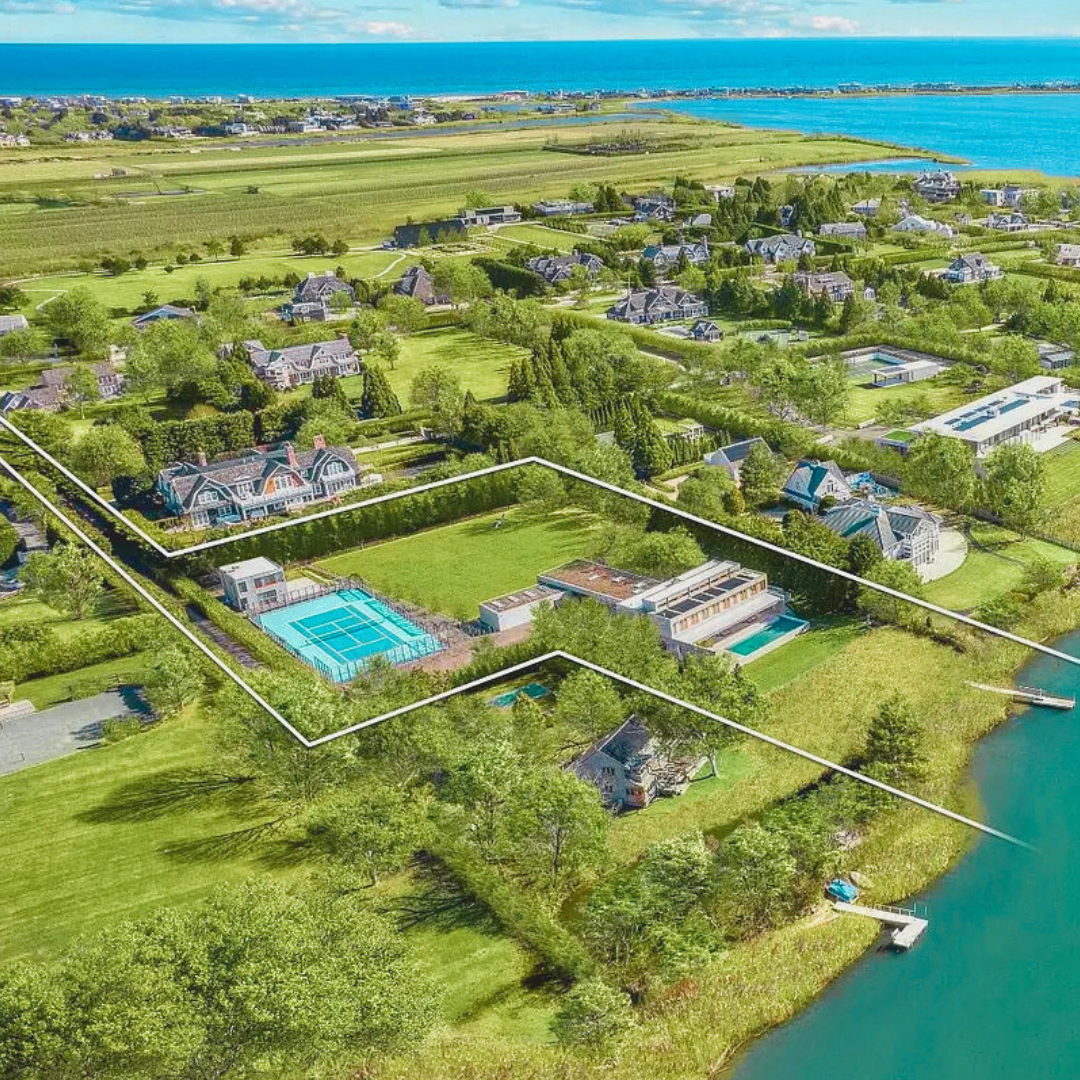
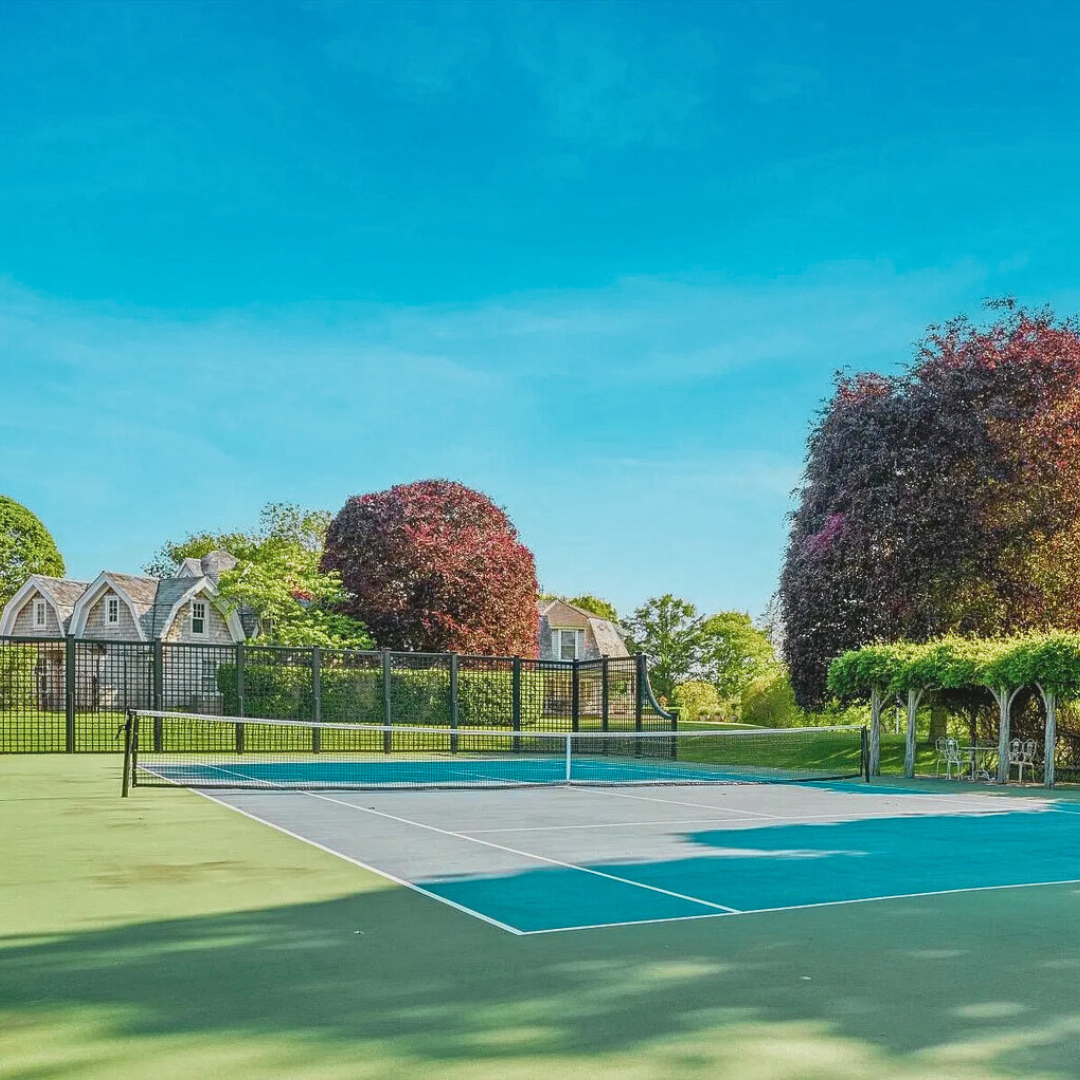
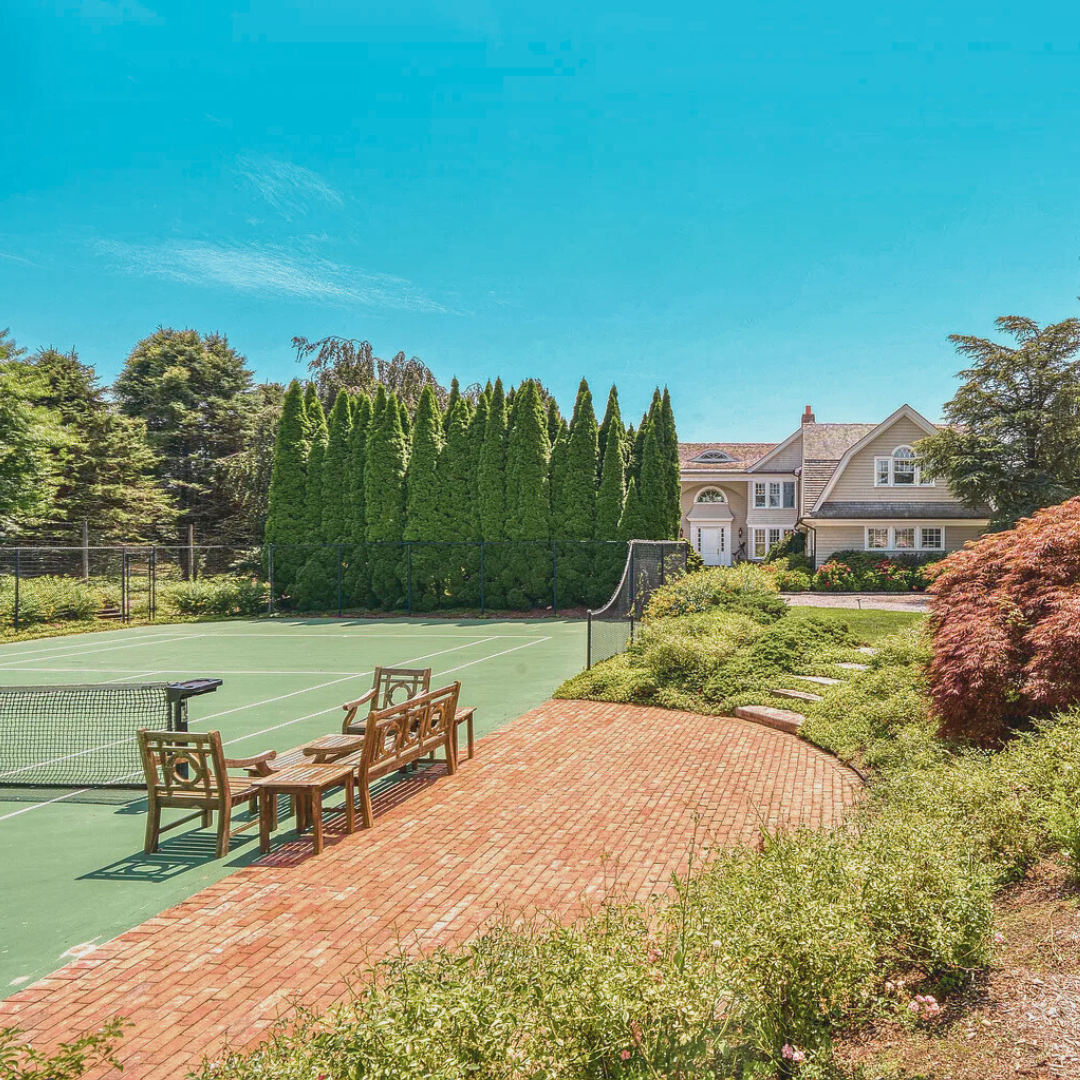
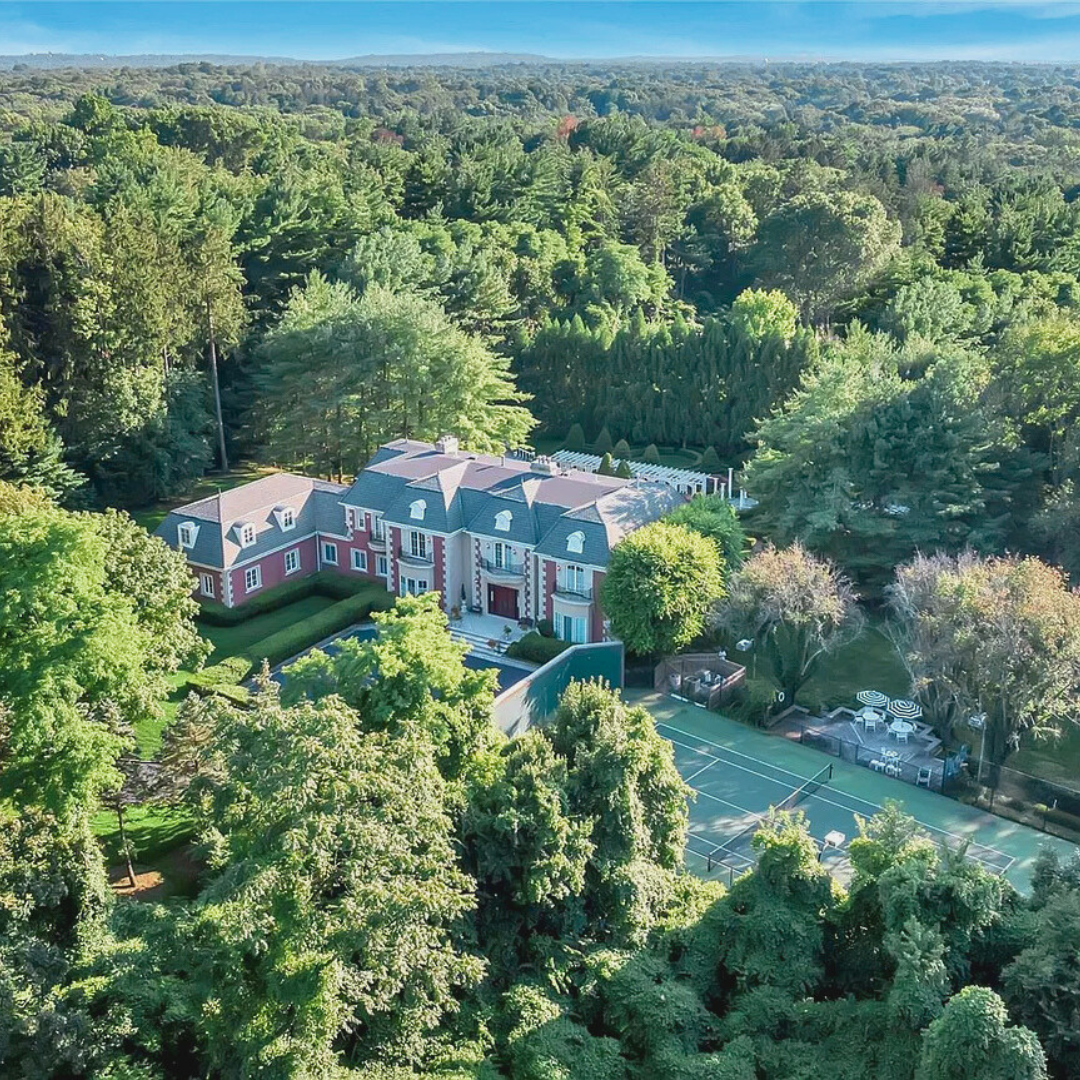
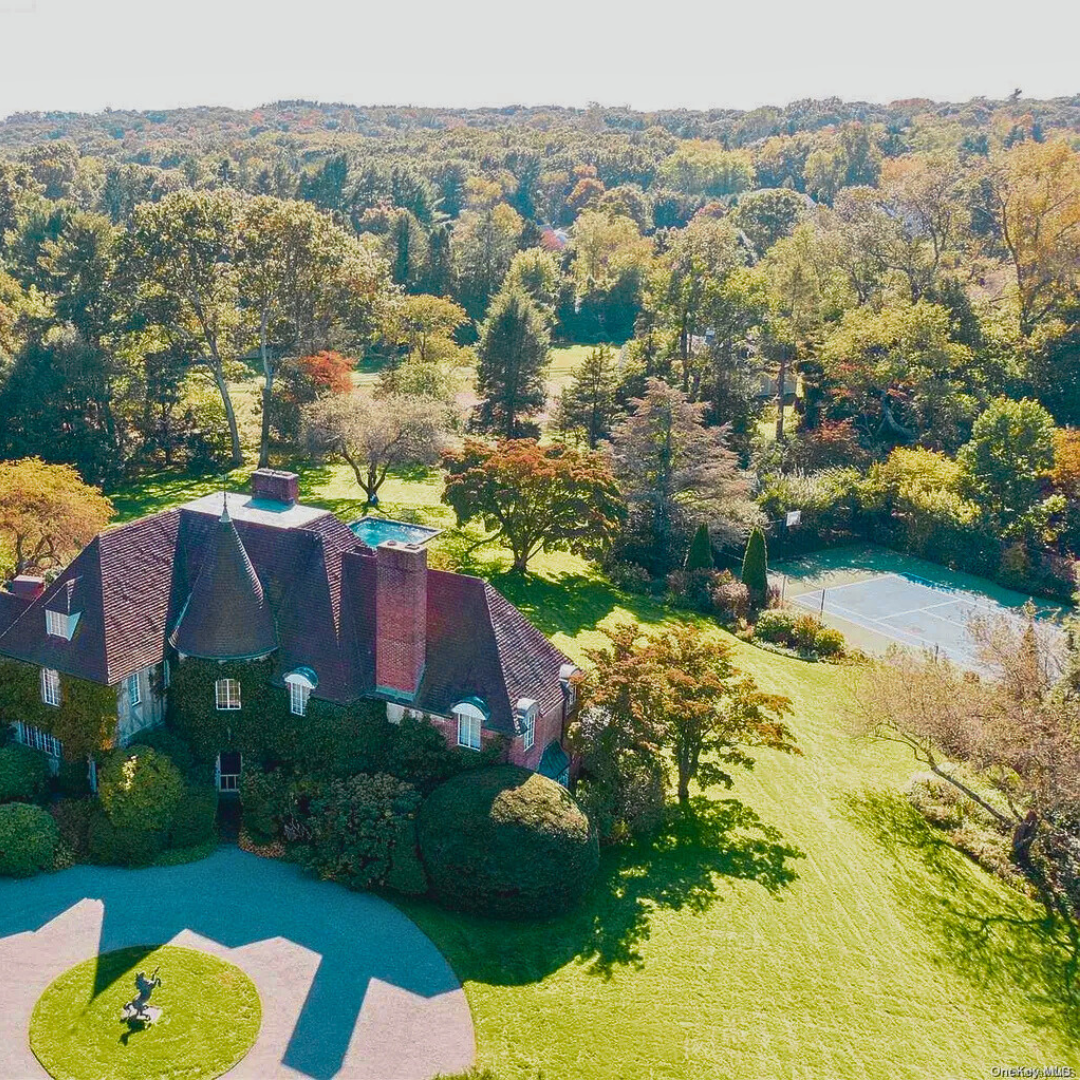
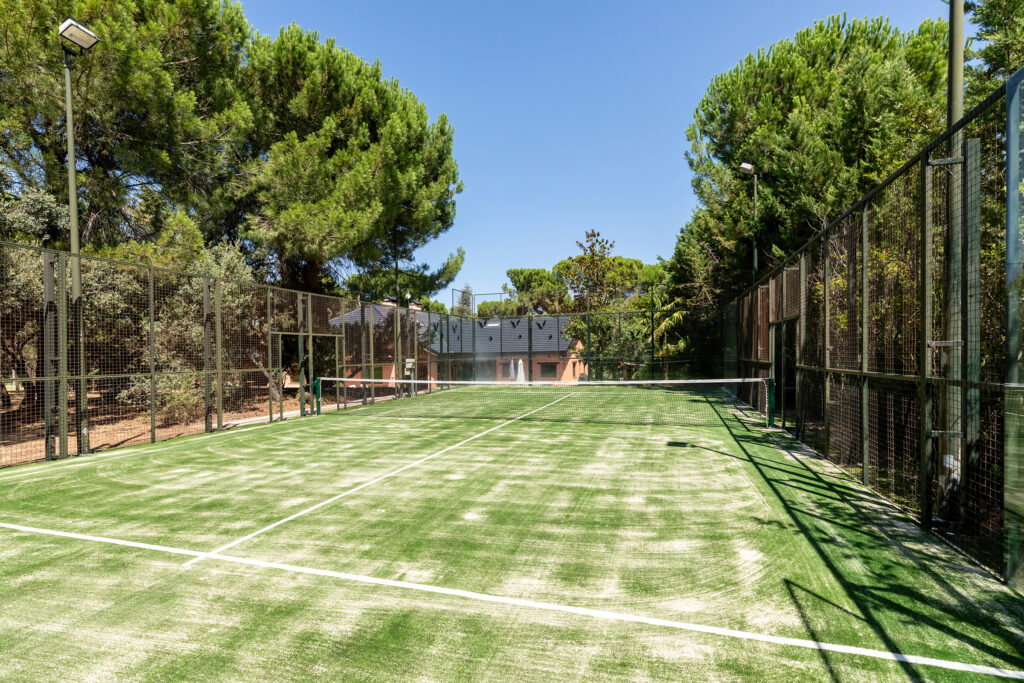
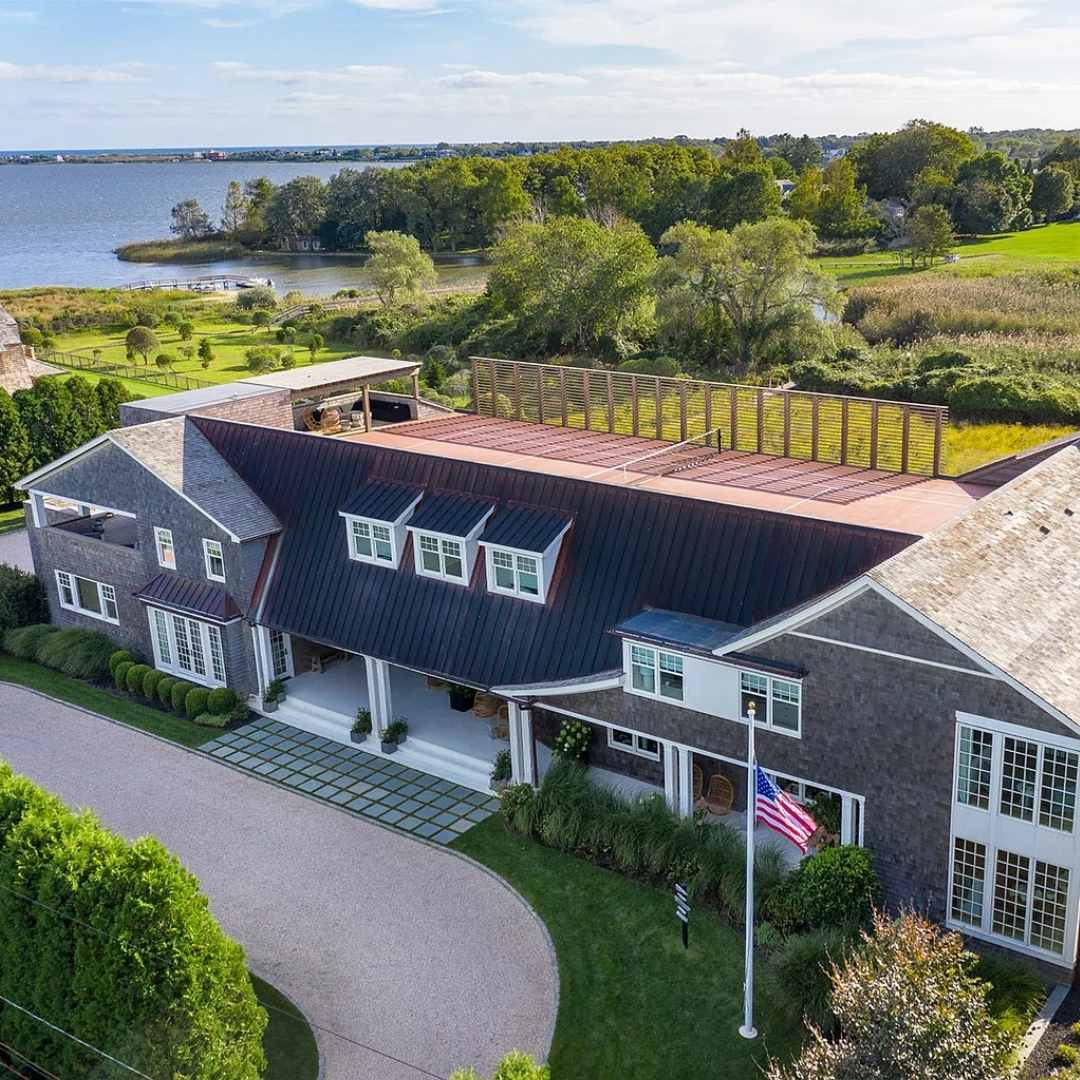
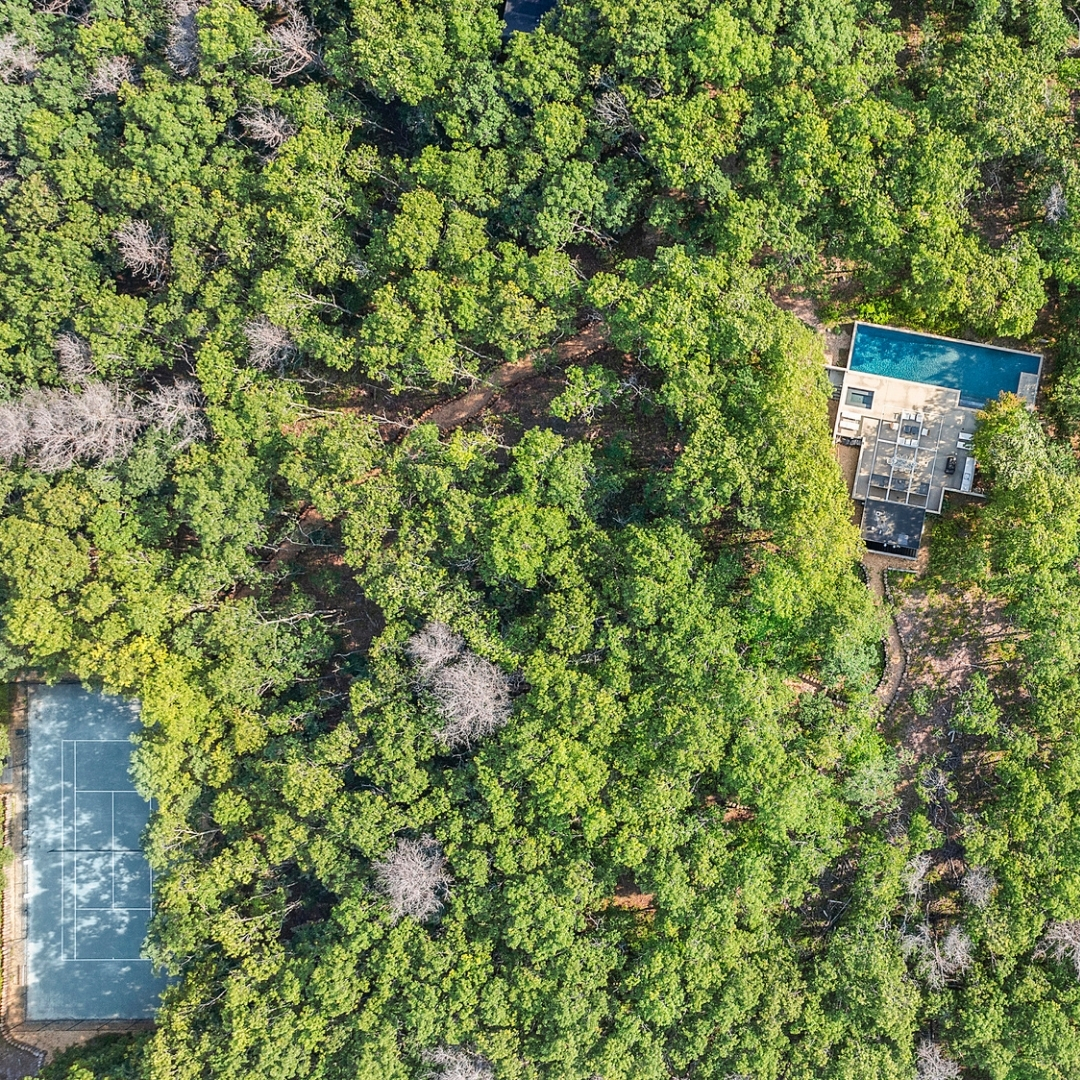
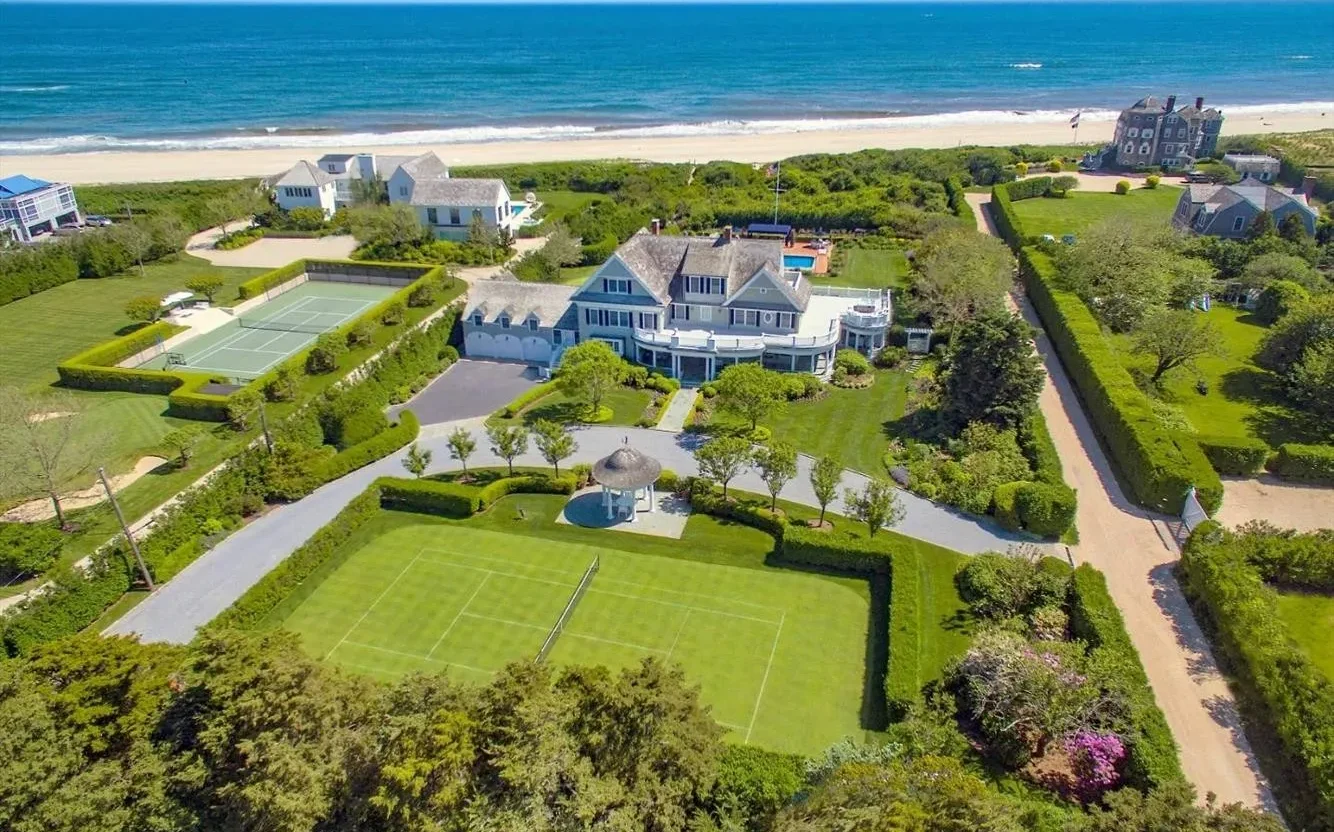
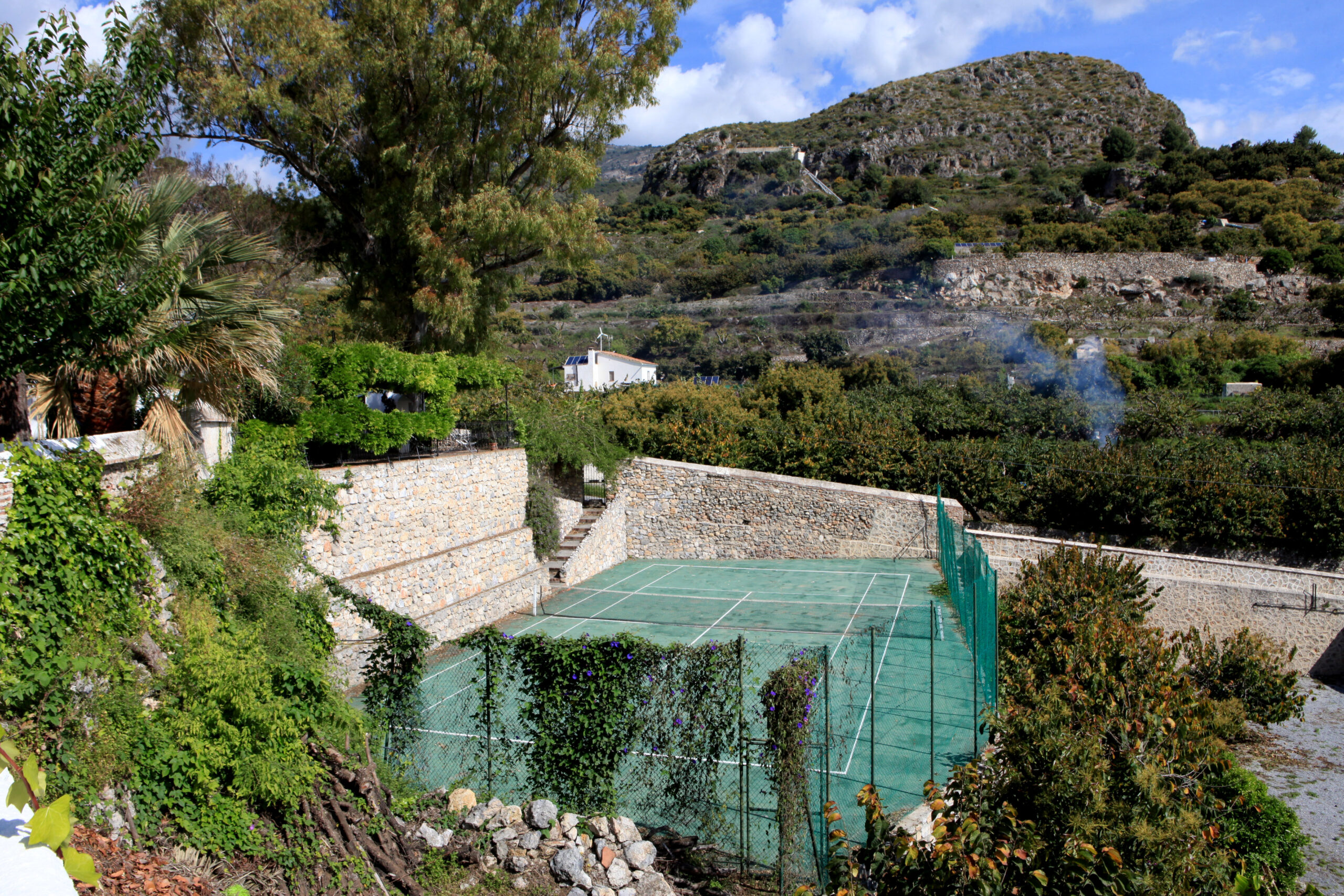
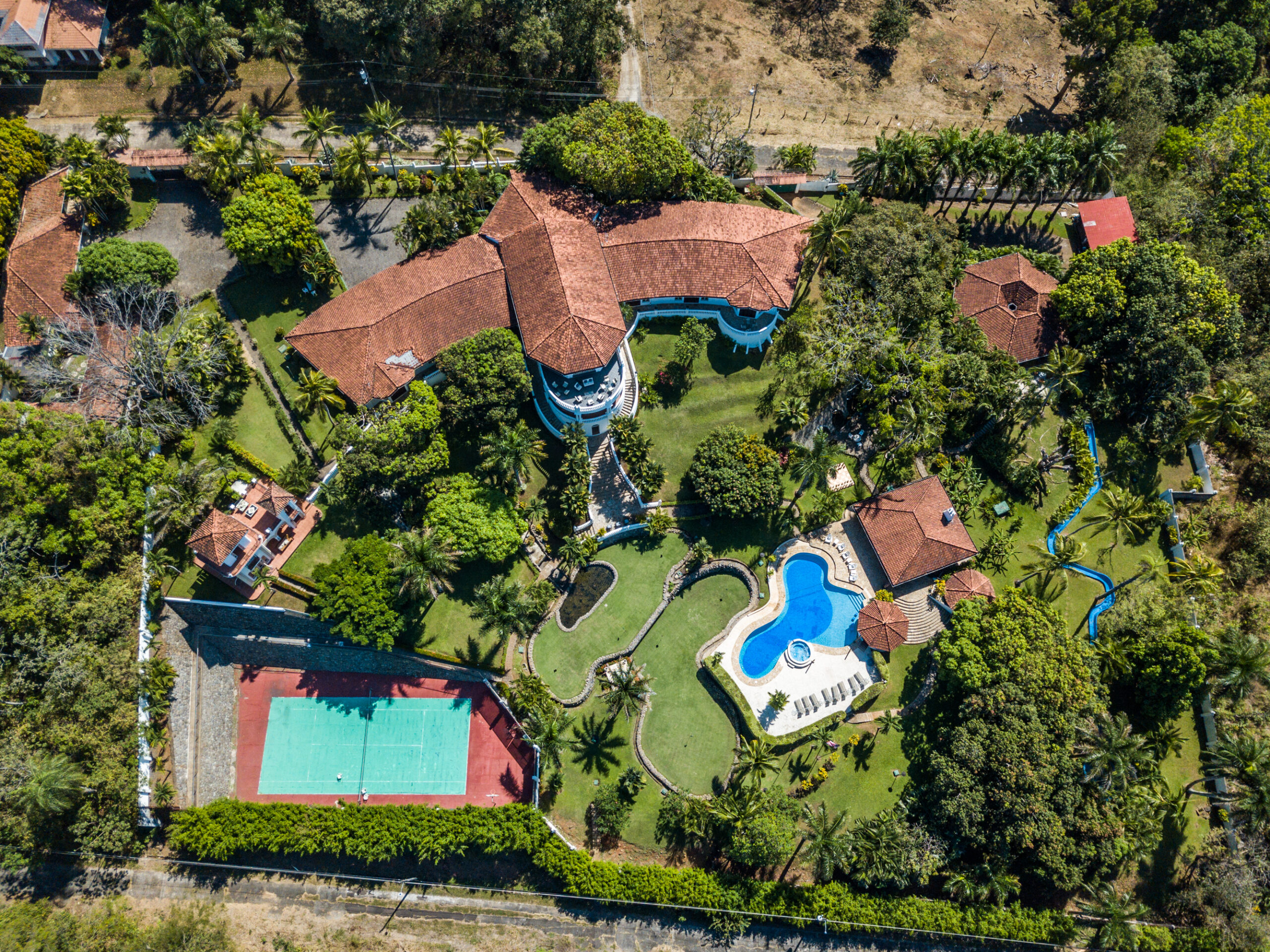
Private tennis courts used to be rare luxury features. Today they are highly sought after components of premium properties. A well-designed court not only adds amenity but can increase value, improve marketability, and even speed up sales. Below are data, legal realities, and strategic takeaways showing why homes with tennis courts are growing in value; and what owners should consider.
What the Data Suggests Globally
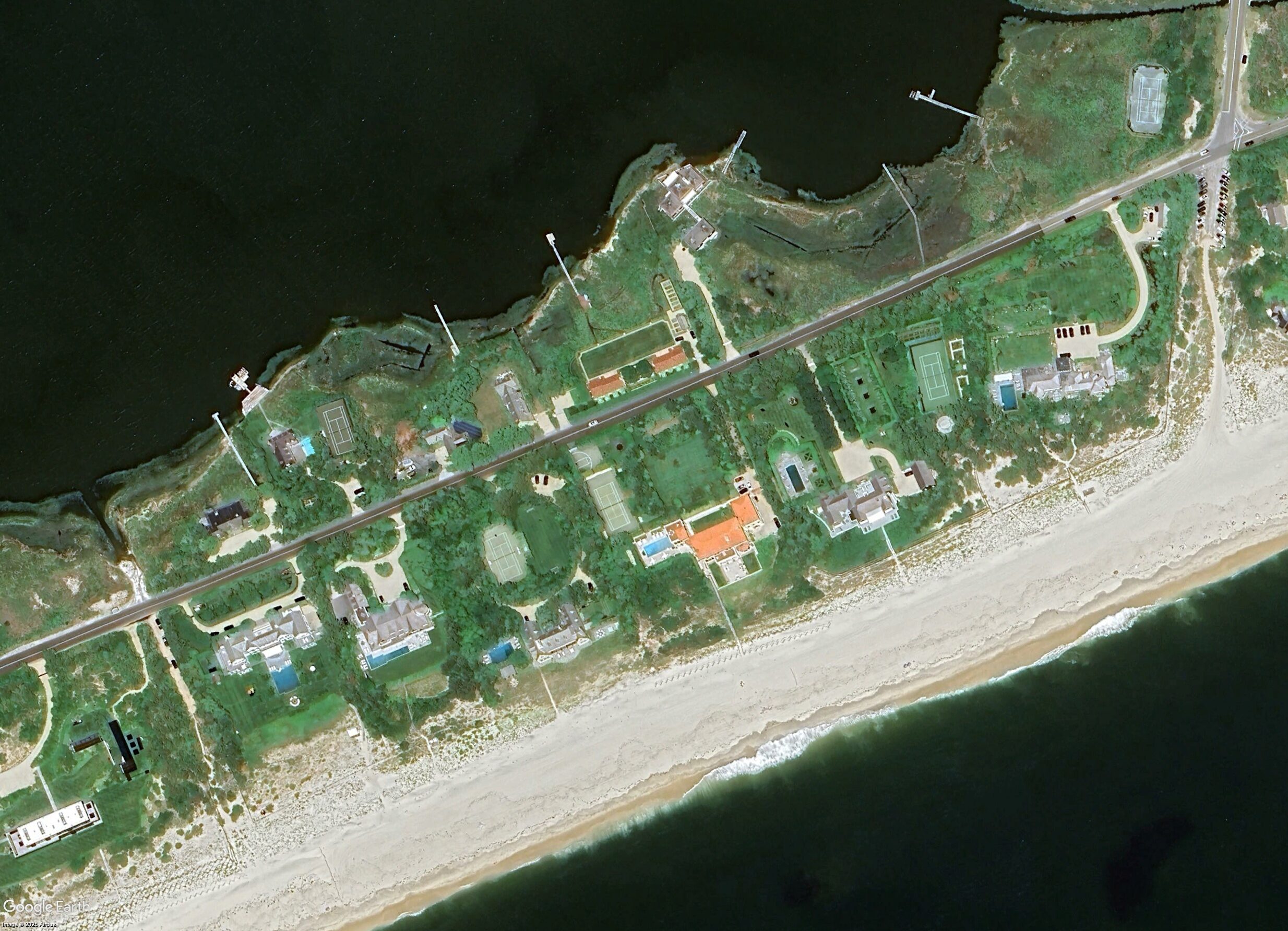
United States: In Florida, Palm Beach brokers report a clear uptick in demand for properties with private courts, especially post-pandemic when outdoor amenities became top priorities. Homes with courts often rent faster and sell at a premium. In Southern California, estates with tennis or multi-sport courts regularly command prices in the tens of millions, with median active listings around $36 million.
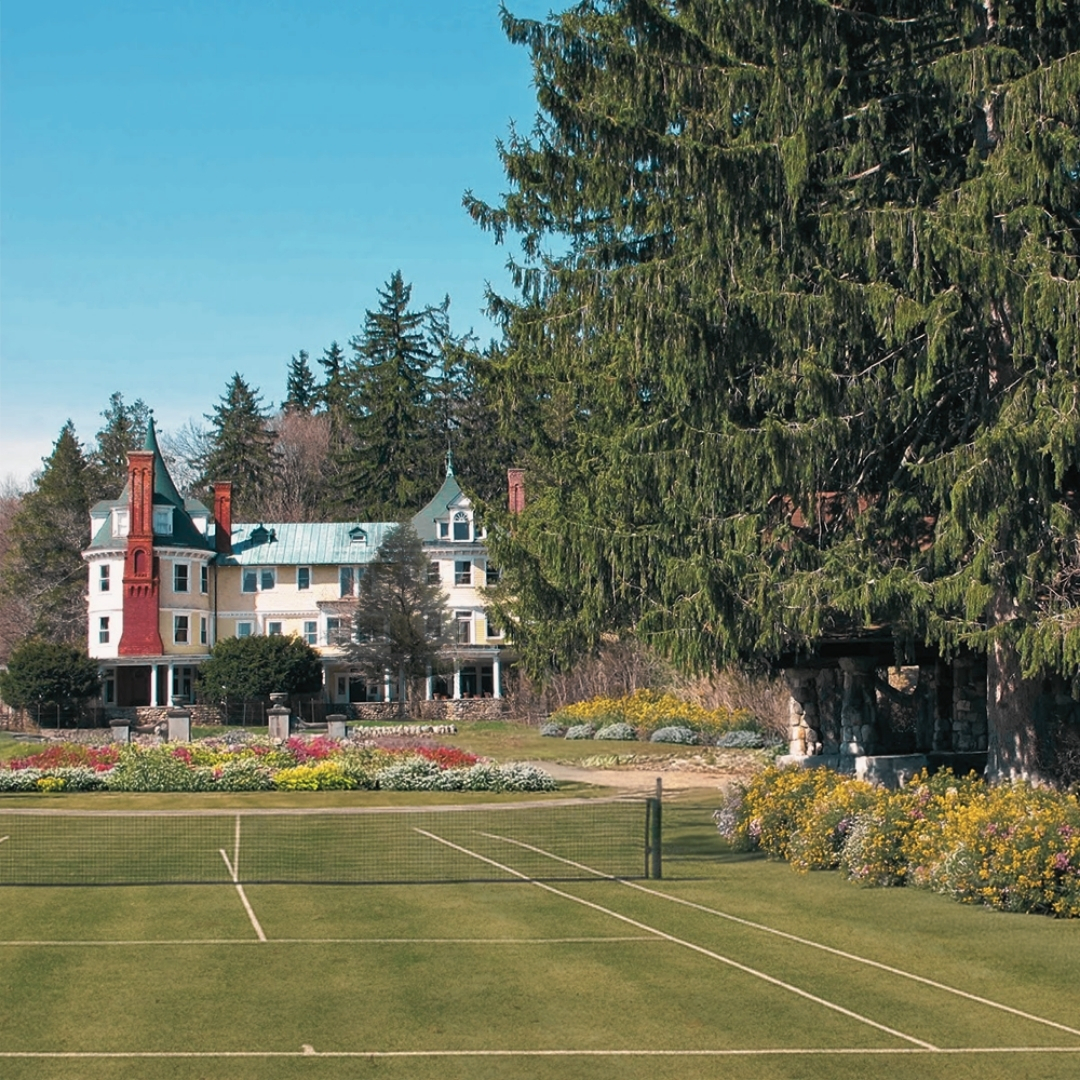
United Kingdom: In the country home market, adding a tennis court can increase property value by £75,000 to £100,000. In some cases, the uplift exceeds the cost of construction, especially in high-value areas like Surrey or the Cotswolds.
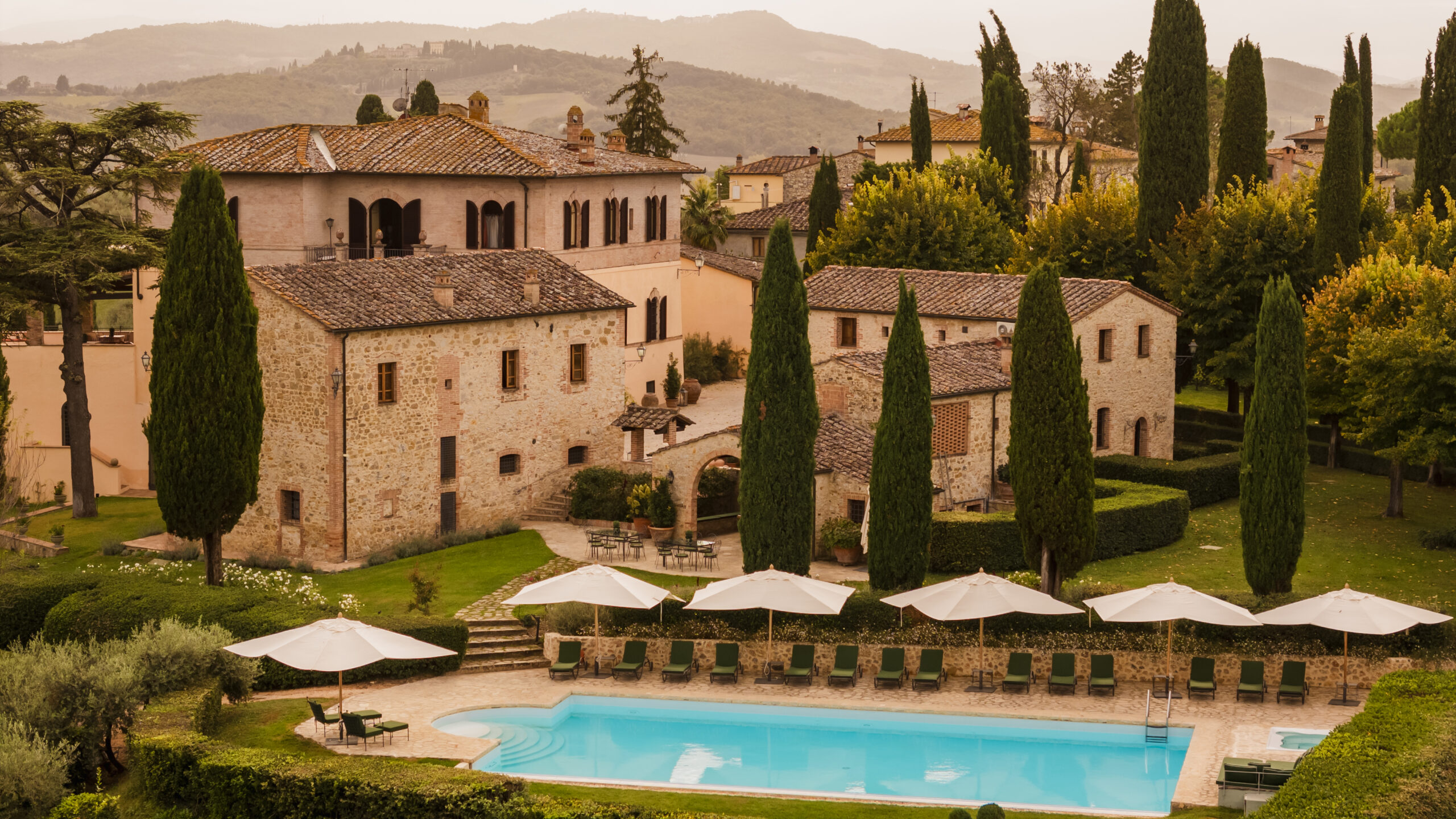
South of France: Tennis courts remain coveted in Provence and along the Riviera, where lifestyle amenities carry as much weight as architecture. Homes with courts not only appeal to locals but also to international buyers looking for second residences.
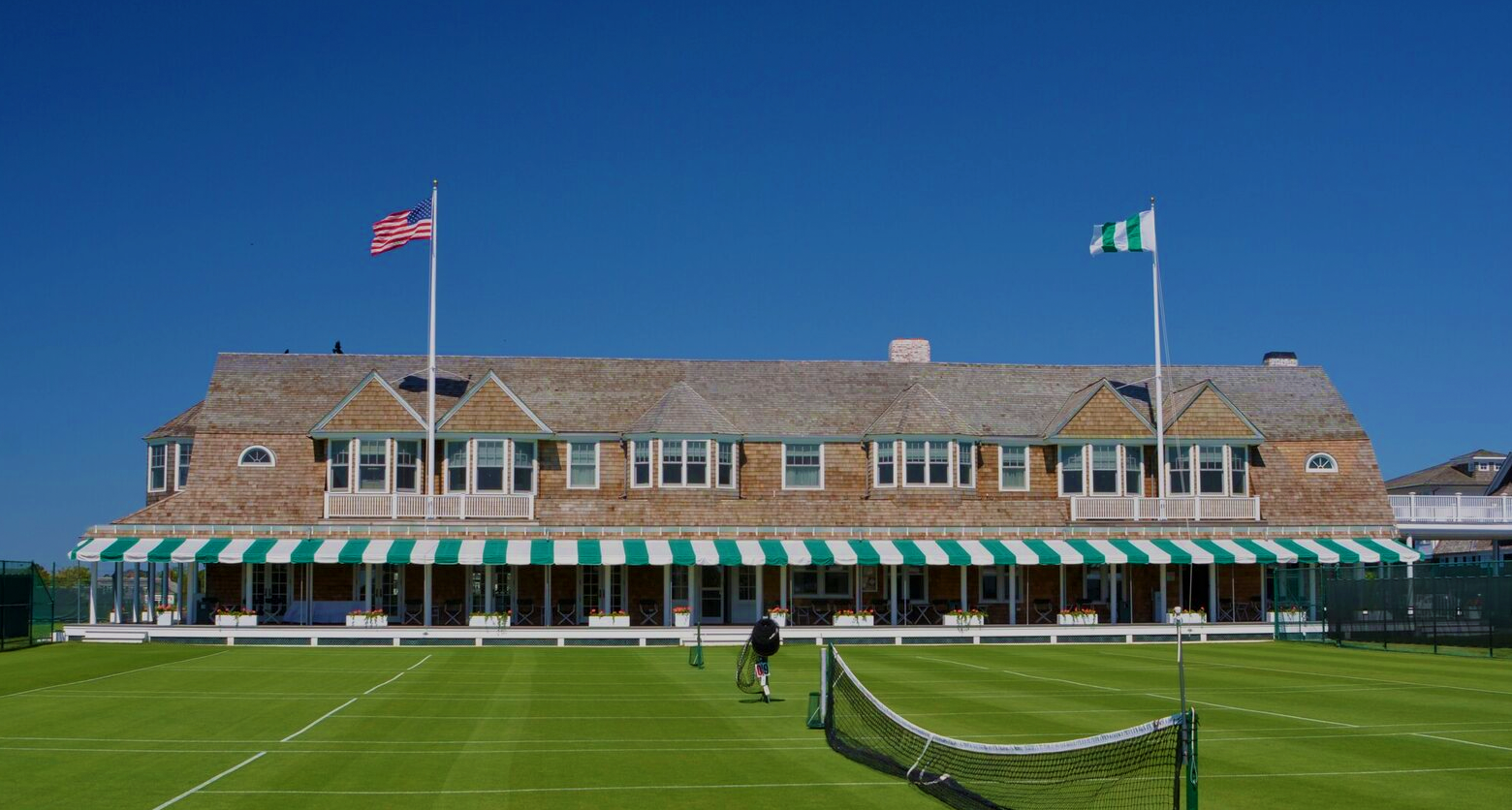
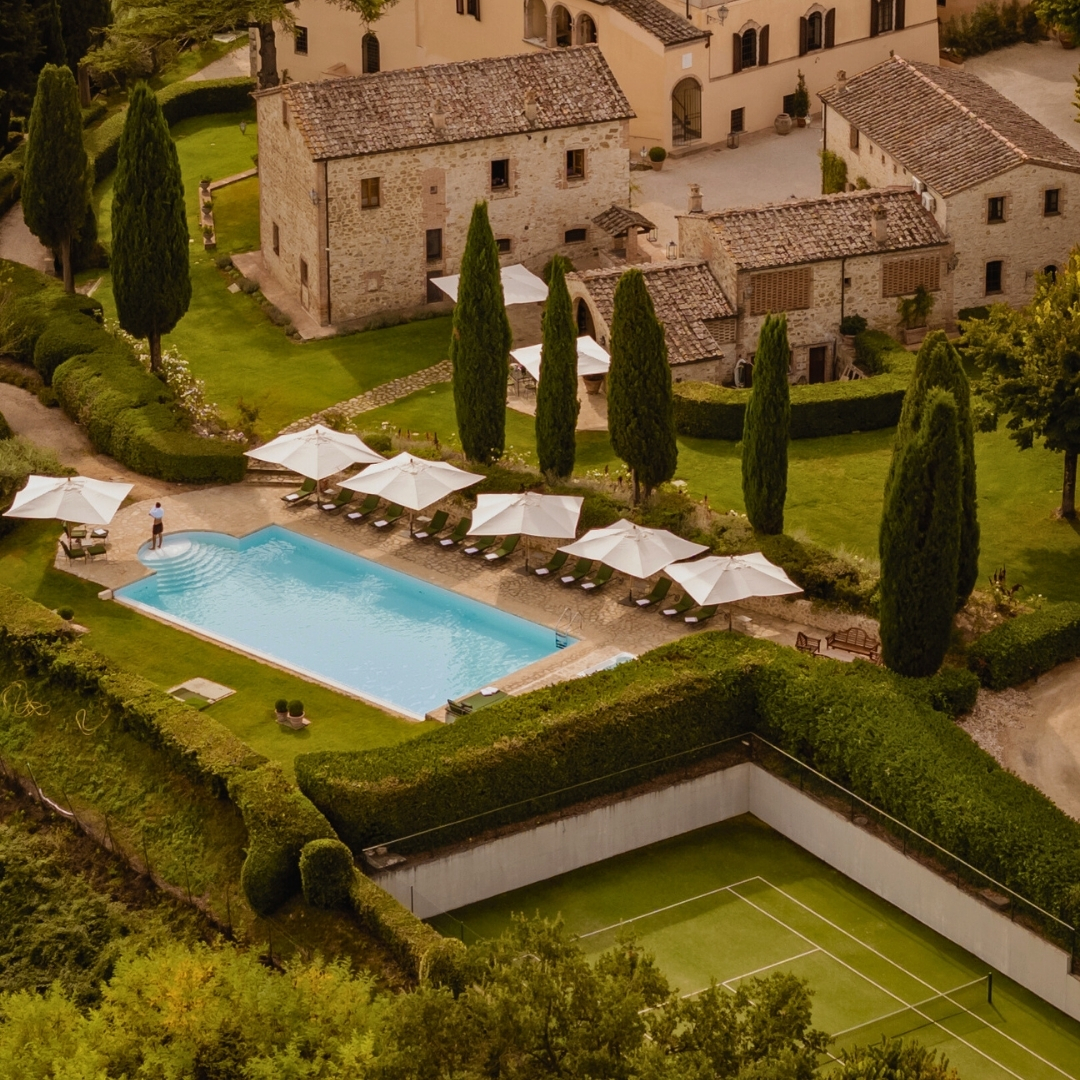
Spain (Mallorca): New rural building restrictions limit the maximum enclosed building space to 900 sqm, making it harder to add large accessory structures like courts and pavilions. Properties with existing courts are becoming rarer; and more valuable.
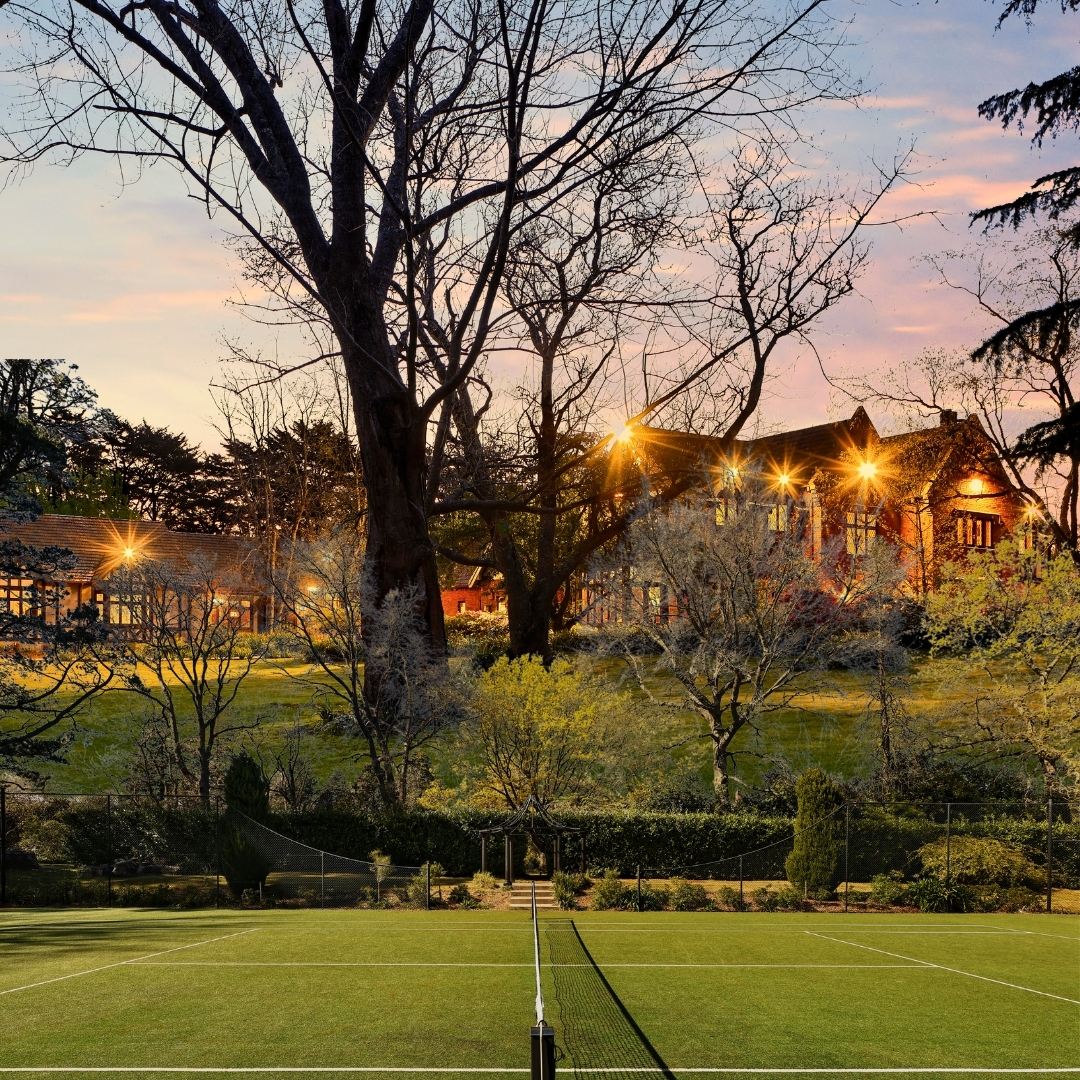
- Australia: super-prime homes with tennis courts are commanding substantial premiums. McGrath reports an average price of AUD $18.2 million for these properties, which is about 39% more than similar homes without courts.
Across all these markets, the message is clear: where courts are harder to build or especially well-integrated into lifestyle amenities, they command attention and help justify higher pricing.
Regulations That Shape Value
Legal and zoning realities are part of the reason courts add value. They aren’t always easy to build — which is exactly why homes that already have them stand out.
- United States: In Los Angeles and many other U.S. cities, accessory structures like tennis courts require permits, setbacks, and compliance with lighting and fencing rules. Buyers often pay more for homes with courts that are already fully approved.
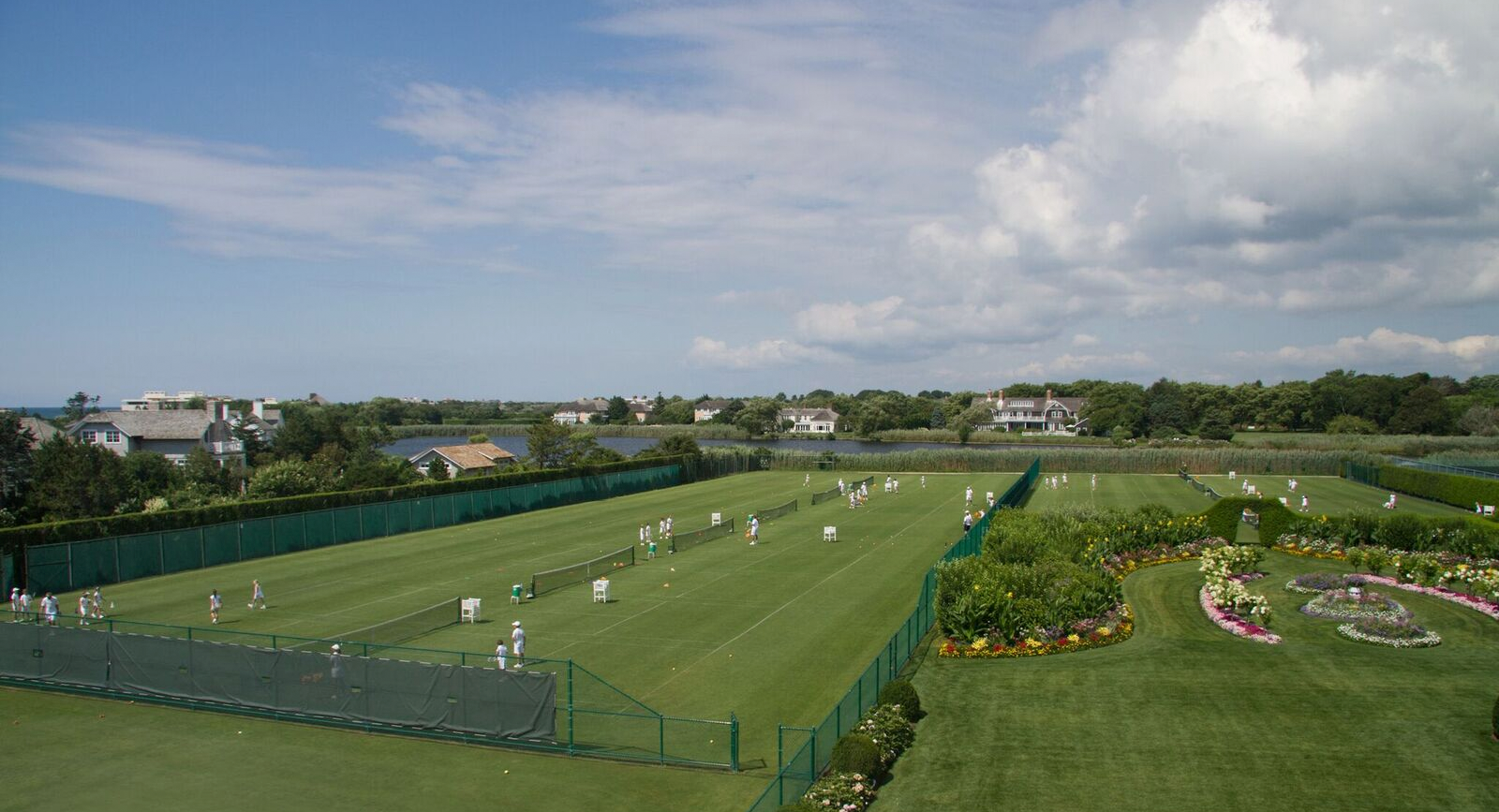
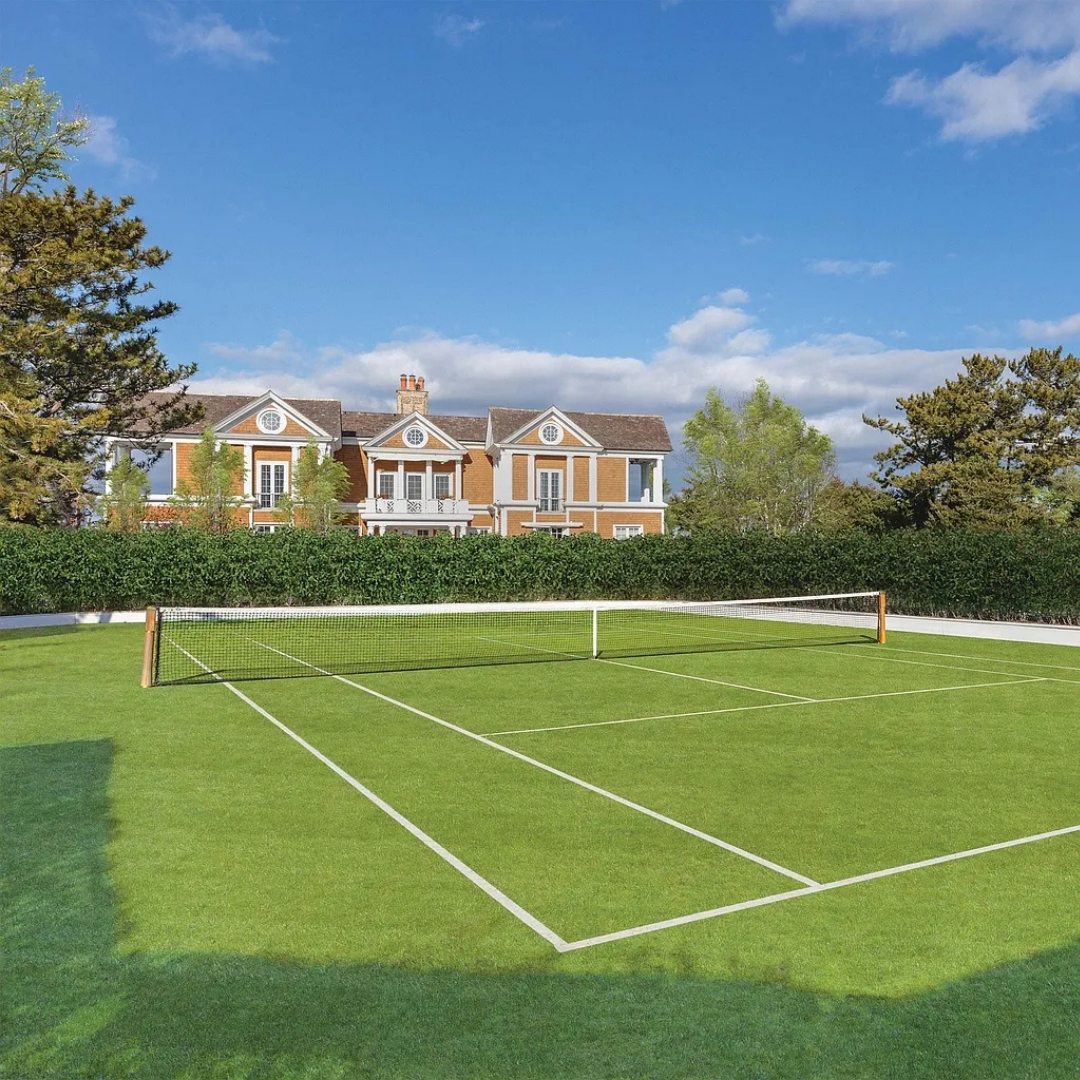
- United Kingdom: In protected landscapes or listed properties, planning permissions can be complex, especially if the court would impact heritage views or natural surroundings.
- South of France: In many communes, adding a tennis court requires a déclaration préalable de travaux (a prior works declaration) to the local mairie. Size of plot, visibility, and zoning rules can all influence whether a permit is granted.
Spain (Mallorca): Rural land is subject to strict building caps and protected zones. Courts that already exist and comply with local rules are now much harder to replicate.
Australia: in regions like Victoria, developers or homeowners may not need a building permit to build or use a private tennis court so long as they comply with the state’s Code of Practice (lighting, fencing, construction).
For homeowners, this means courts that are already legal and well-situated carry an inherent premium.
Considering Maintenance
Even the most beautiful tennis court is only an asset if it is well maintained. Basic upkeep includes:
Clearing debris and cleaning the surface regularly.
Annual inspections to address cracks, drainage, or fading surfaces.
Resurfacing every 5–8 years, depending on climate and usage.
These costs are not negligible, but in the context of luxury real estate, they are part of preserving value. Buyers expect courts to be turnkey, not projects that require immediate repair.
Why Courts Add Value(When Done Right)
Scarcity: Where land or laws make courts difficult to build, existing courts stand out as rare amenities.
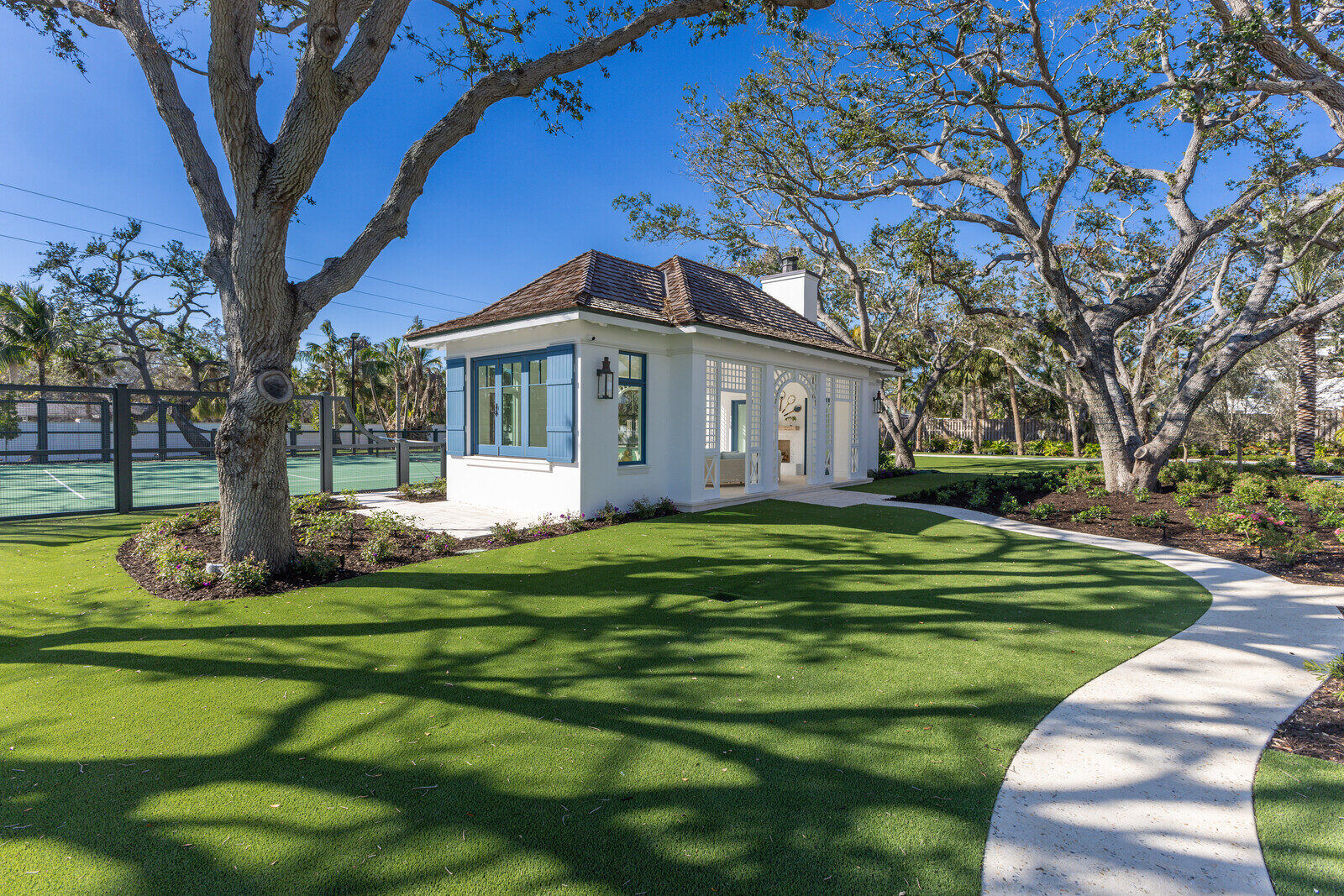
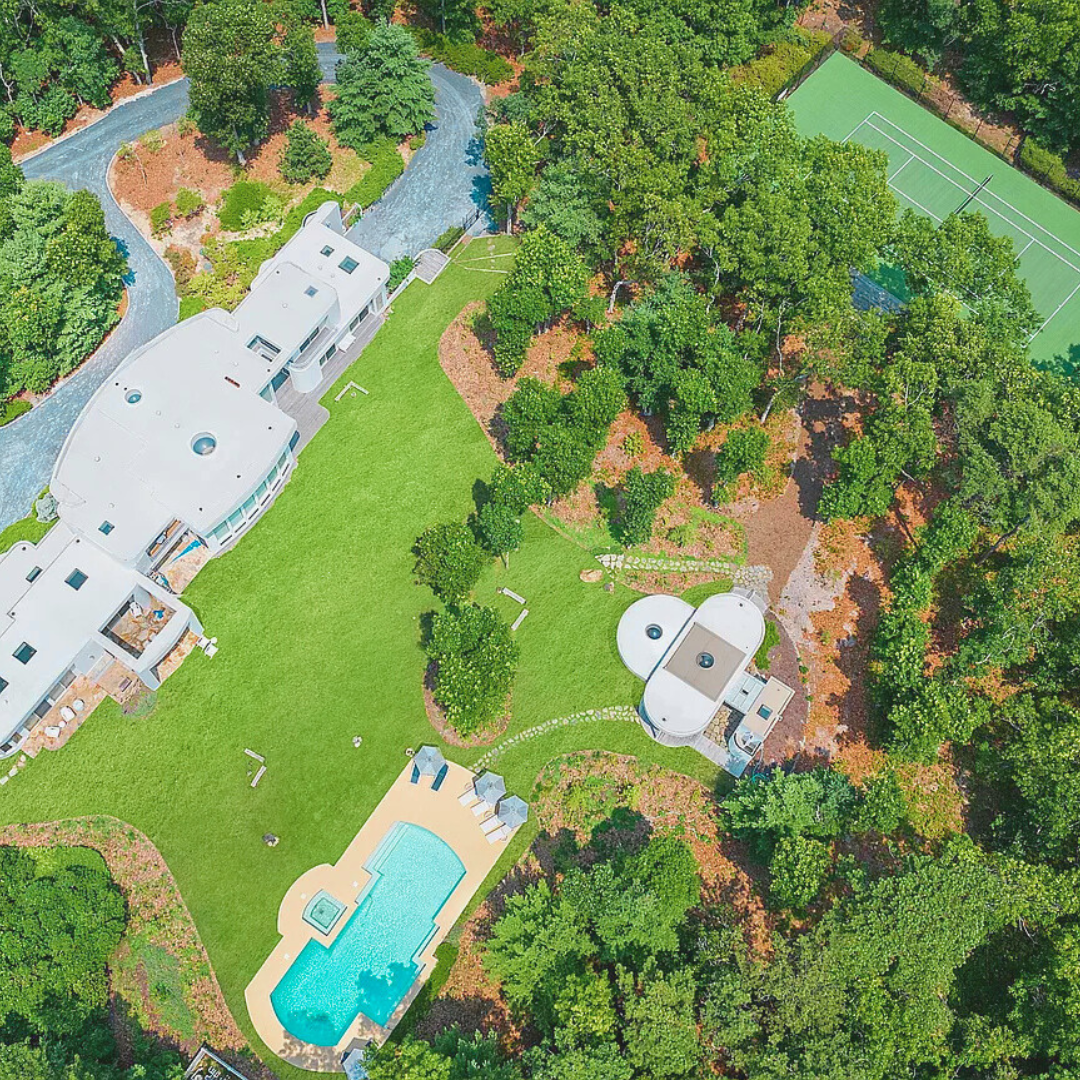
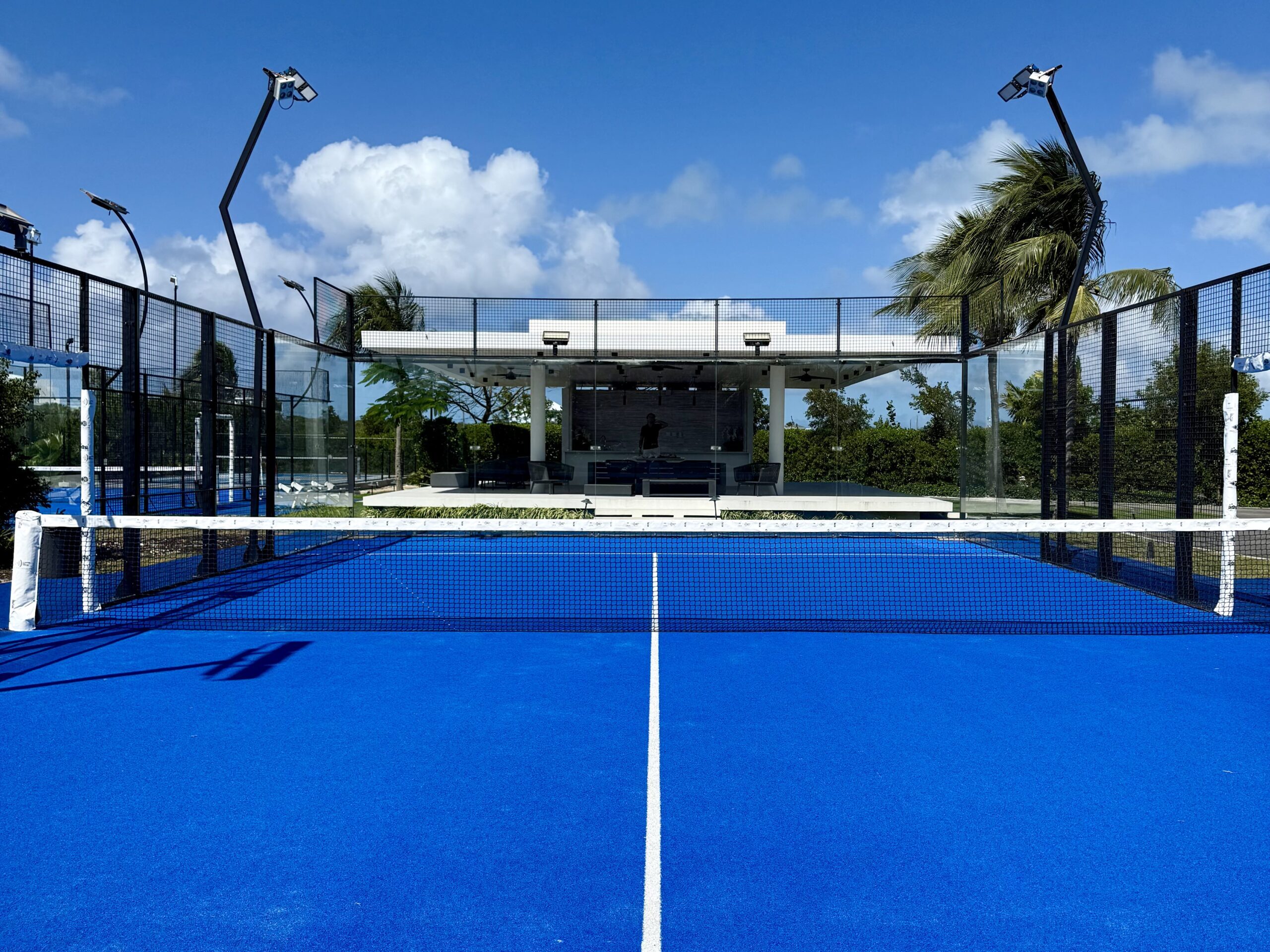
Lifestyle Appeal: Tennis homes blend wellness, recreation, and privacy. Courts paired with spas, pavilions, or guest houses form part of a broader luxury lifestyle.
Saleability: Courts attract more showings and often lead to quicker sales, especially in family and lifestyle markets.
Rental Yield: In resort areas like the Hamptons, South of France, or coastal Spain, homes with courts rent at higher rates and enjoy stronger seasonal demand.
Condition & Legality: Well-maintained, permitted courts are assets. Poorly maintained or unapproved courts, however, can be liabilities.
These costs are not negligible, but in the context of luxury real estate, they are part of preserving value. Buyers expect courts to be turnkey, not projects that require immediate repair.
The Bigger Picture
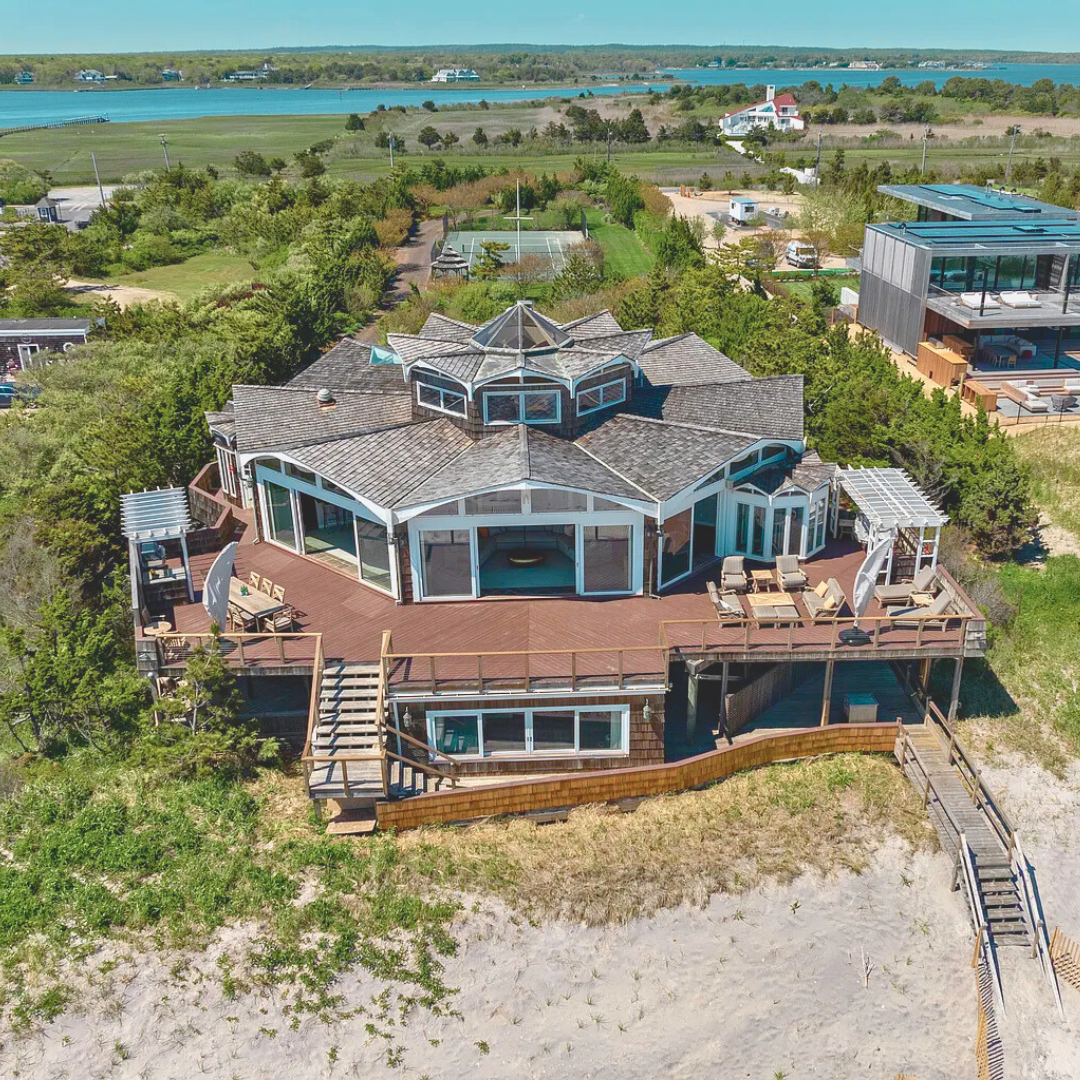
From California to the Côte d’Azur, from the Hamptons to Mallorca, tennis courts are becoming more than sporting amenities; they are lifestyle markers and, in many cases, value drivers. In markets where building new courts is legally or logistically difficult, properties with existing, well-designed courts are even more desirable. For buyers and sellers alike, the key is legality, quality, and presentation. Done right, a private court can make a property stand out across global luxury markets.
Until the next match,
Tennis Homes Team